





Introduction — What to Know About the Budapest Card Before You Visit
The Budapest Card is one of the most convenient ways to explore Budapest without breaking the bank. Built for both short city breaks and longer stays, it bundles public transport access with free or discounted entry to museums, thermal baths, guided tours and tourist services (airport transfers, bike rentals, partner restaurants). If you plan to discover the different faces of Pest and Buda — from Andrássy Avenue and Városliget park to Castle Hill and Gellért Hill — the Budapest Card can make your itinerary smoother and less expensive.
In this detailed intro we’ll walk you through what the card typically includes, why it might be worth it depending on how long you stay, how to activate it, where to buy it and how to pair it with must-see sights: the Hungarian Parliament (Országház), Buda Castle (Budavári Palota), Széchenyi Baths (Széchenyi Gyógyfürdő), Gellért Baths (Gellért Fürdő) and the national museums. We’ll also cover limits and practical precautions (opening windows, required reservations, exceptions) so you can plan day by day and save both time and money.
In practice the Budapest Card comes in several durations: 24, 48, 72, 96 and 120 hours. Depending on the version, it usually offers unlimited use of public transport (metro, tram, bus), free entry to a selection of 20–50 museums and discounts at over 200 partners (baths, restaurants, Danube cruises, bike rentals, guided tours). Prices vary by season and point of sale; as a rough guide you’ll often see: 24h ≈ €22; 48h ≈ €34; 72h ≈ €44; 96h ≈ €54; 120h ≈ €64. These rates typically include local VAT and the option to pick up a printed card or use a digital version via partner collection points.
Before you buy, ask yourself: how many paid attractions do I really want to visit? How many public transport trips will I take per day? Do I want discounts at the thermal baths? If your plan includes several paid museums (Hungarian National Museum, House of Terror, Museum of Modern Art, Budapest History Museum), the card can pay for itself after just two or three visits. Another tangible perk is skipping queues or getting priority booking windows at certain spots. The card also usually comes with a printed or digital guide listing opening hours and addresses — super handy for day planning.
How the Budapest Card Works: Activation, Options and Where to Buy
Activating and using the Budapest Card is straightforward, but there are practical details to keep in mind. The card is personal: when you buy it you register a name and start date. Activation happens either automatically on first use (depending on the format) or by exchanging a voucher at an official pick‑up point. Formats include a physical plastic card, a printable voucher to exchange, or a digital e‑card on your smartphone. Each option is available in the durations above (24/48/72/96/120 h): the countdown begins at the time you indicate at activation or at first validation according to the chosen method.
Where to buy the Budapest Card?
- Online via the official Budapest Card website (pick up at official collection points or delivery by post depending on the option).
- At tourist information offices: for example, Budapest Info Point Vörösmarty tér, Vörösmarty tér 2, 1051 Budapest — usually open 09:00–19:00.
- At Liszt Ferenc Airport (Budapest Airport) in certain tourist kiosks — useful if you arrive late.
- At tourist offices near train stations and at the ticket counters of participating attractions.
Activation and usage tips: note the start and expiry times printed on the card. For example, a 72‑hour Budapest Card activated on Monday at 10:00 will expire on Thursday at 10:00. For public transport: keep the card on you and present it during inspections — in versions that include unlimited transport it replaces a single‑ride ticket. For free entries, show the card at the attraction’s ticket desk: some sites still require advance reservation even when entry is covered by the card (this is common for guided Parliament tours).
Typical opening hours and constraints: each partner sets its own schedule. For example, guided tours of the Hungarian Parliament (Országház) run in variable time slots (commonly morning–afternoon, 08:00–16:00) and can be closed during parliamentary sessions. Popular baths (Széchenyi, Gellért) open early — sometimes from 06:00 — and close late (Széchenyi 06:00–22:00), but the availability of discounts depends on the time slot. Always double‑check current hours on the official Budapest Card site or directly on partners’ websites before you go.
Included Attractions and Discounts: Museums, Thermal Baths, Tours and Cruises
The Budapest Card covers a wide range of attractions. Here’s a typical selection (double‑check the current list when you buy) with addresses, usual opening hours and a short immersive description.
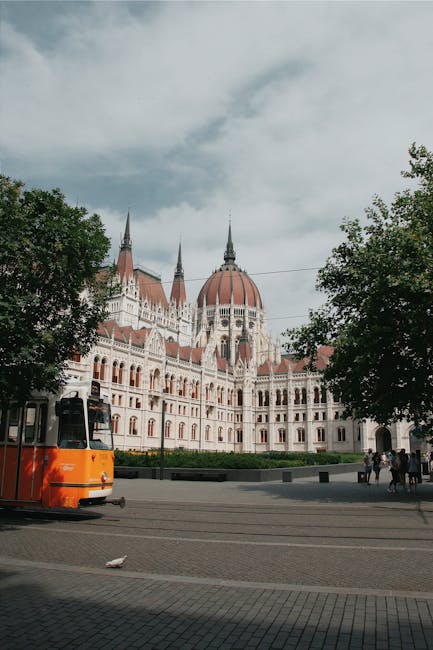
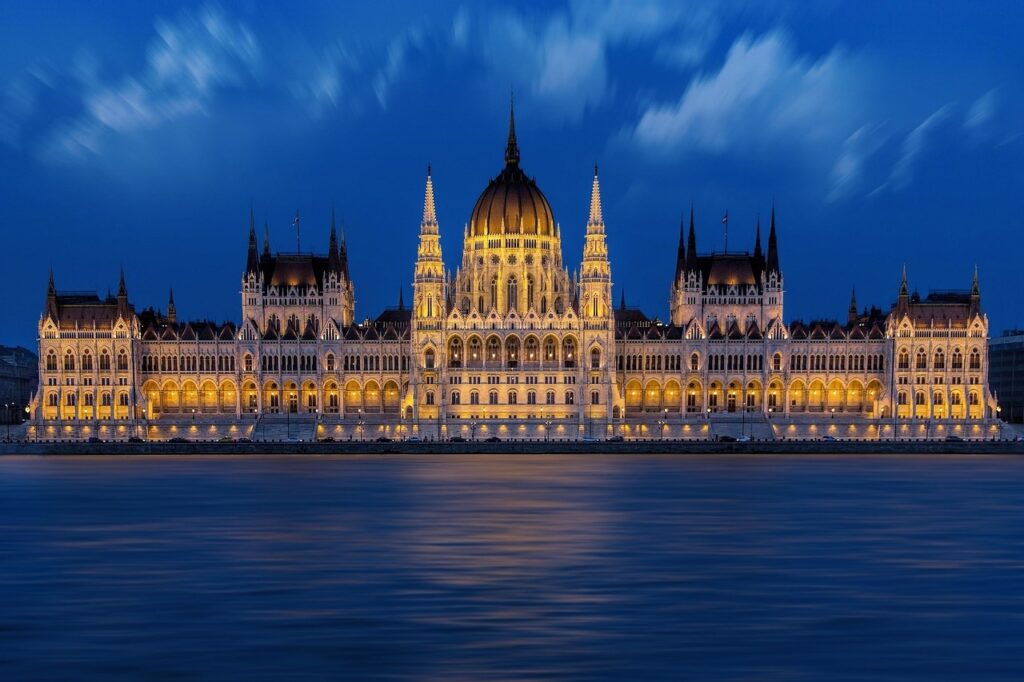
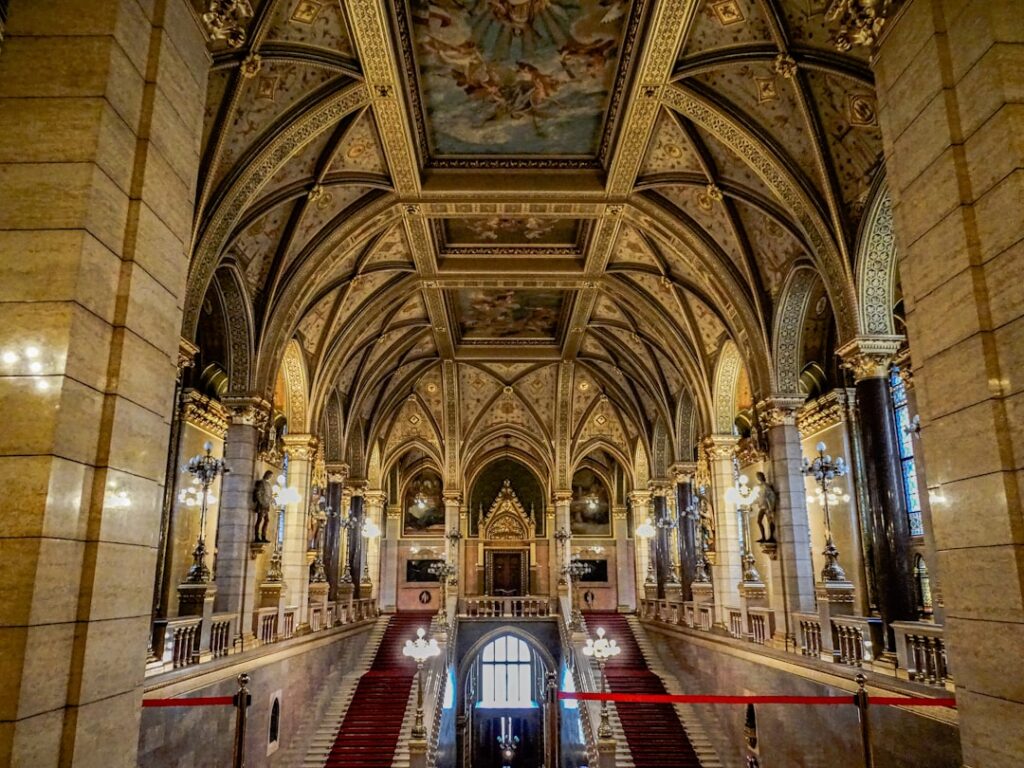
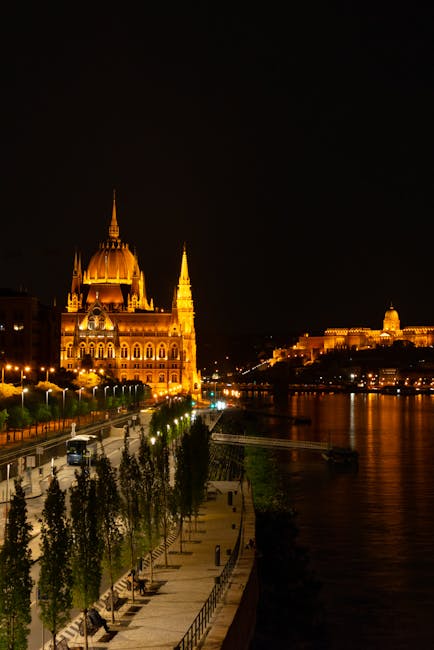
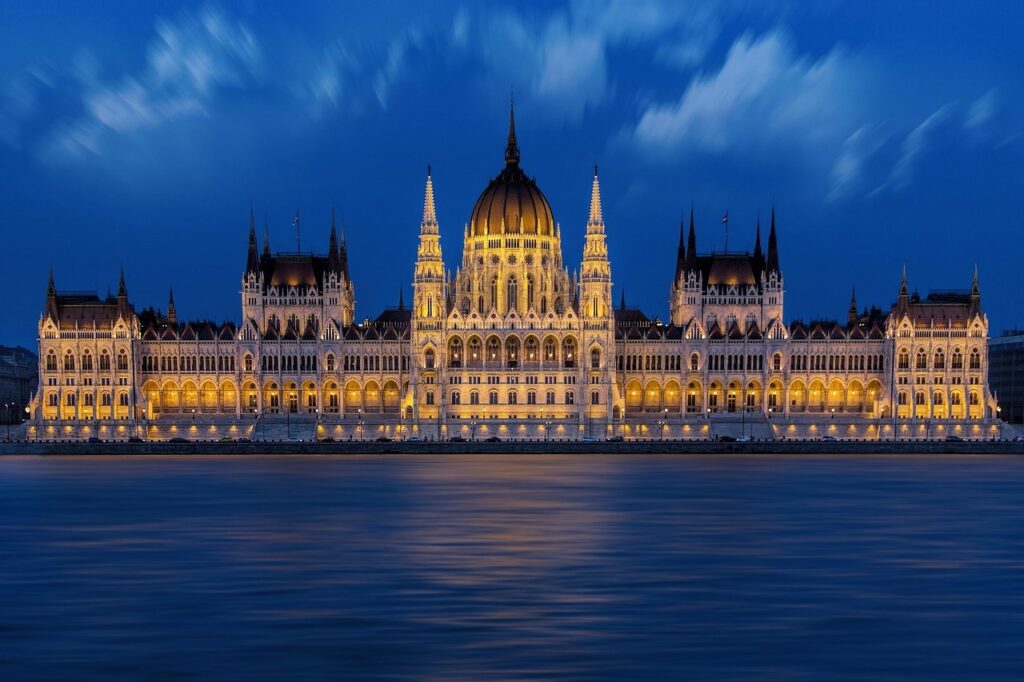
- Országház — Hungarian Parliament Building — Kossuth Lajos tér 1-3, 1055 Budapest. Hours: guided tours typically run 08:00–16:00 (time slots vary). Why go: a monumental neo‑Gothic façade on the Danube, gilded interiors and the Deputies’ Hall. Tip: book a slot via the Parliament portal if you want to see the Crown Room (the card may still require a reservation).
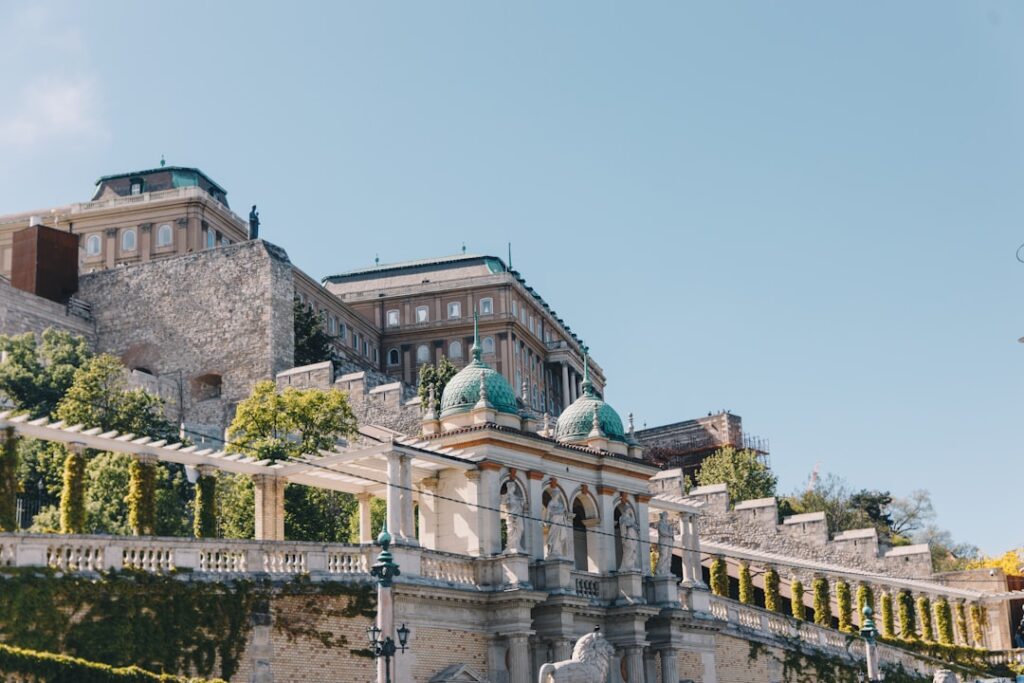
- Budavári Palota — Buda Castle (grounds and Budapest History Museum) — Szent György tér 2, 1014 Budapest. Budapest History Museum: usual hours 10:00–18:00, Tue–Sun. Why go: panoramic views over the city, historic royal chambers and exhibitions on Budapest’s past.
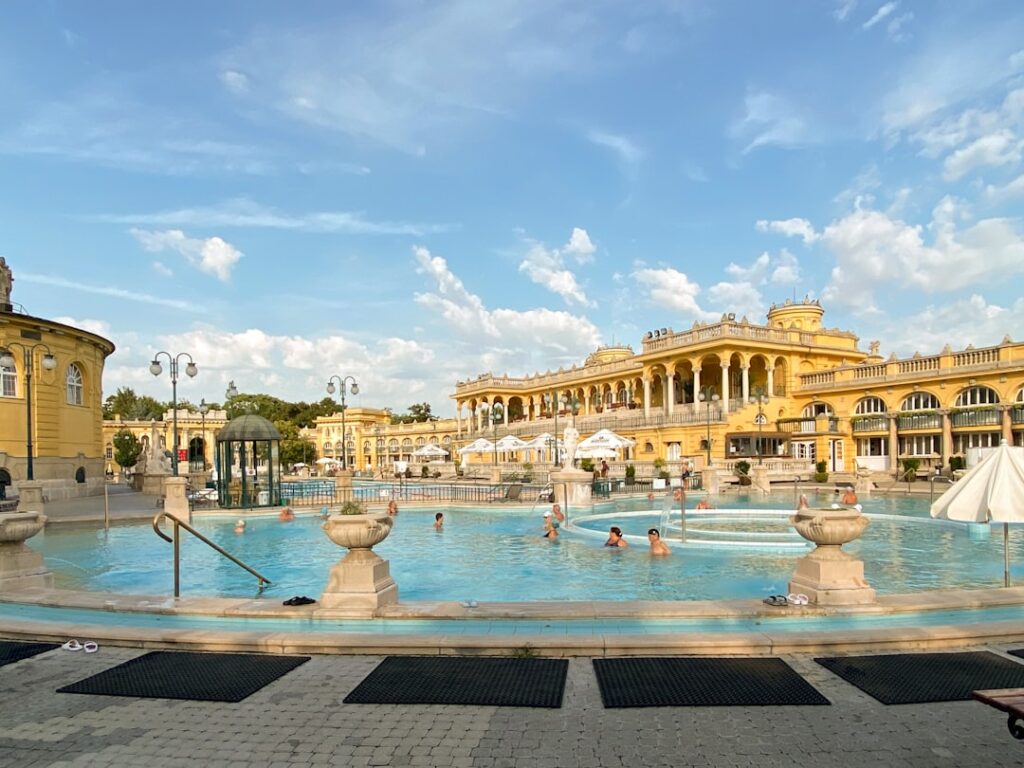
- Széchenyi Gyógyfürdő — Széchenyi Thermal Bath — Állatkerti körút 9-11, 1146 Budapest. Hours: often 06:00–22:00. Standard walk‑in price without the card: around €20–€25 for a day entry. With the Budapest Card: you may get a discount on admission or priority access depending on the deal. Why go: one of Europe’s largest thermal complexes, outdoor heated pools, neo‑Baroque architecture and a lively atmosphere year‑round.
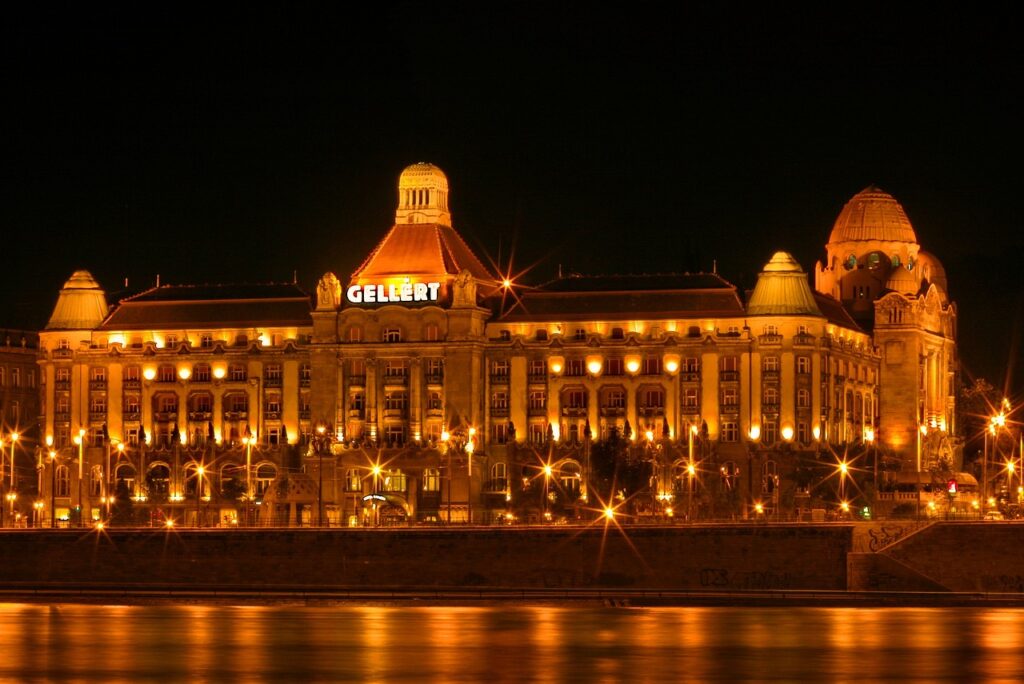
- Gellért Fürdő — Gellért Thermal Bath & Hotel — Kelenhegyi út 4, 1118 Budapest (Gellért tér 1). Hours: often 06:00–20:00 or 06:00–19:00 depending on the season. Standard price without card: roughly €18–€30 depending on services (cabin/locker). With the card: discounted entrance. Why go: Art Nouveau mosaics, beautifully decorated indoor pools and a more historic, elegant atmosphere.
- Museum of Fine Arts & Hungarian National Gallery — Hősök tere 1, 1146 Budapest (Museum of Fine Arts); Széchenyi István tér 3, 1014 Budapest (Hungarian National Gallery, in Buda Castle). Hours: museums typically 10:00–18:00 (closed on certain days). The Budapest Card offers free entry or discounts at a selection of museums — great for art lovers.
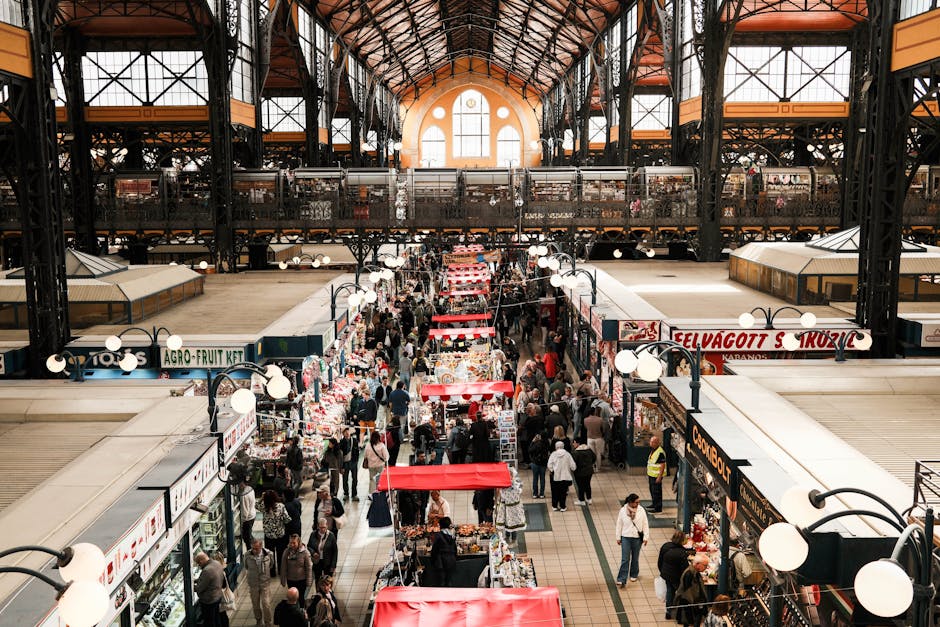
- Central Market Hall — Nagyvásárcsarnok — Vámház körút 1-3, 1093 Budapest. Hours: Tue–Fri 06:00–18:00, Sat 06:00–15:00, Sun closed. Why go: a Victorian covered market with local produce, paprika and souvenirs; the card sometimes offers discounts at selected stalls or partner eateries.
- Cruises on the Danube — boarding near Vigadó tér or the Népsziget piers. Hours: many companies run day and evening cruises (departures from 10:00 to 22:00). The Budapest Card often includes a discount or even a short free cruise — perfect for seeing the Parliament and Castle lit up at night.
Tip: pick the two or three paid attractions you absolutely want to visit and add up their normal admission fees. Compare that total to the price of the Budapest Card for the corresponding duration. If the total exceeds the card price, it’s a win — and that’s before you factor in your transport savings and the other discounts.
Transport Included, Practical Routes and Local Tips
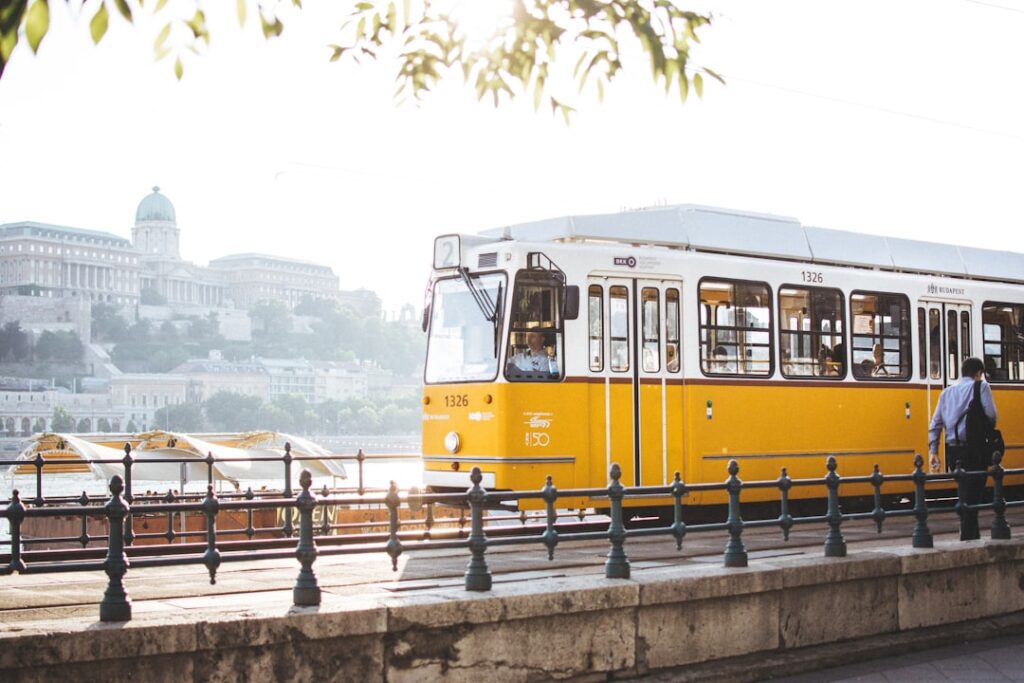
One major selling point of the Budapest Card is that it can cover public transport partially or fully depending on the option you choose. The main networks include: metro (M1 — the historic line, M2, M3, M4), tram (Tram 2 along the Danube, Trams 4/6 crossing the Grand Boulevard), buses and trolleybuses. If your card includes unlimited transport, you can use these services without buying individual tickets; just show the card if an inspector asks.
Sample day routes to make the most of your Budapest Card:
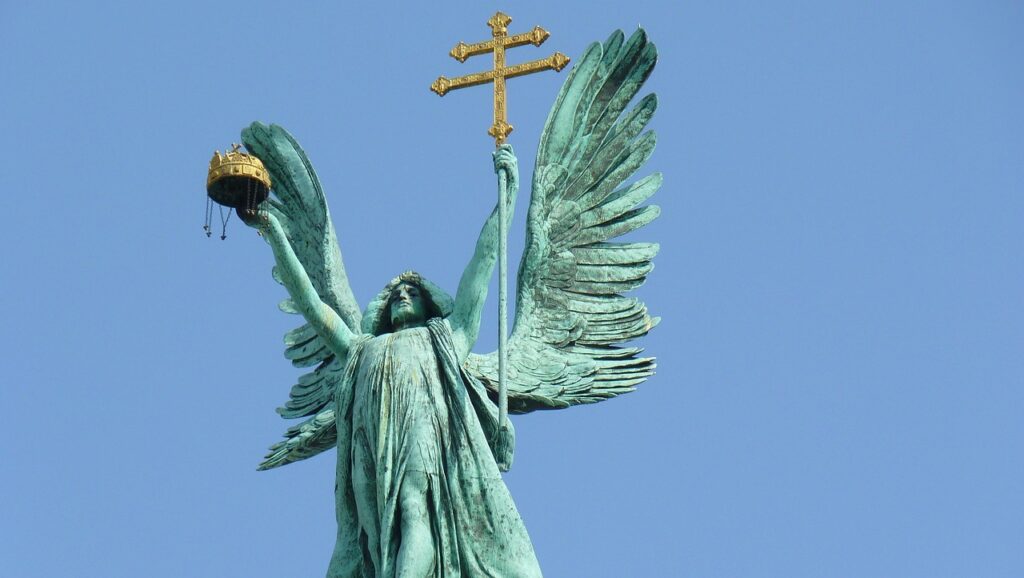
- Morning route: take Metro M1 to Hősök tere (Heroes’ Square) — visit the Museum of Fine Arts and stroll through Városliget (City Park). Walk to Széchenyi Thermal Bath for a relaxing late‑morning soak.
- Afternoon route: hop on Tram 2 along the Danube (from Jászai Mari tér toward Kossuth Lajos tér) to photograph the Parliament (Kossuth Lajos tér 1-3). Walk across or take a bus to Chain Bridge (Széchenyi Lánchíd) and head up to Buda Castle (Szent György tér 2).
- Evening: take a Danube cruise or dine at a partner restaurant with a discount. Many partner restaurants display a « Budapest Card discount » sign at their entrance.
Practical travel and safety tips:
- Keep your card together with an ID; inspectors may ask to see both.
- Metros M3 and M2 serve most tourist hotspots: M2 for the riverbank and Parliament; M1 for the historic core (Andrássy Avenue, Oktogon, Hősök tere).
- Tram 2 along the Danube offers some of the best views of the Parliament and Buda — try to sit on the riverside for photos.
- Check night schedules: some night buses (N‑lines) replace daytime services after hours. The Budapest Card may not cover taxis or private transfers.
Local Hacks, Savings and Pitfalls to Avoid
To get the most out of your Budapest Card, a few local tricks will save you time, money and disappointment.
- Book high‑demand tours in advance. Some attractions, such as the Hungarian Parliament tour and popular night cruises, require advance booking even if you have a Budapest Card. Check ahead and reserve your slot — especially in high season (May–September).
- Avoid peak hours at the baths. Big baths like Széchenyi get crowded on weekends and in late afternoons. For a calmer experience, arrive at opening (06:00–08:00) or early afternoon.
- Compare the card with other passes. Budapest also offers alternatives like the Bono, Interrail integrations or museum‑plus tours; calculate based on your priorities (museums vs baths vs transport).
- Use restaurant discounts. Many partner eateries give 10–25% off. For example, some bistros along the Grand Boulevard (Nagykörút) offer around 15% off when you show the card.
- Beware of street vendors near attractions. Cheap souvenirs are everywhere; for authentic products (quality paprika, crafts), favor Central Market Hall, Vámház körút 1-3.
- Keep your receipts. If you get a free museum entry that comes with a voucher, hold onto the voucher after validation — it can help in case of checks or disputes.
Finally, match the card duration to your actual stay and the weather: a 48‑hour card may be smarter if you have two full days of paid visits, rather than stretching to a 72‑hour card that’s less cost‑effective. Last tip: download the Budapest Card digital guide and the BKK transport apps, and bookmark attraction sites for last‑minute schedule changes.
Conclusion — Who the Budapest Card Suits and How to Fit It Into Your Trip
The Budapest Card is a powerful tool for visitors who want to combine cultural sightseeing, thermal‑bath relaxation and easy mobility across Hungary’s capital. It’s especially useful for organized travelers planning at least two paid attractions, or those who expect to use public transport frequently. With a broad range of benefits — free or discounted entry, transport, restaurant deals and local experiences — the card can save you time and money, though it does require some basic planning to be worth it.
Before you buy, tally the cost of your must‑see visits (for example: Parliament at Kossuth Lajos tér 1-3, Széchenyi Baths at Állatkerti krt. 9-11, Budapest History Museum at Szent György tér 2), add their prices in euros and compare that total to the Budapest Card price for the appropriate duration. Don’t forget to factor in transport value if you’ll be hopping on the metro, tram and bus often. Remember that hours and conditions can change by season — check official sites (Parliament, Széchenyi, Gellért, museums) and the Budapest Card guide for the latest updates.
In practice the card lets you explore Budapest’s variety: the Danube banks, the Parliament’s neo‑Gothic splendor, Buda’s winding lanes, cozy traditional cafés and Art Nouveau baths. With a little preparation — booking high‑demand tours, timing baths outside peak hours and checking museum schedules — the Budapest Card becomes a valuable companion. So before your trip, do the math, choose the right duration, activate the card at the right time and set off to discover a city where culture, relaxation and panoramic views meet around every corner.