





Introduction
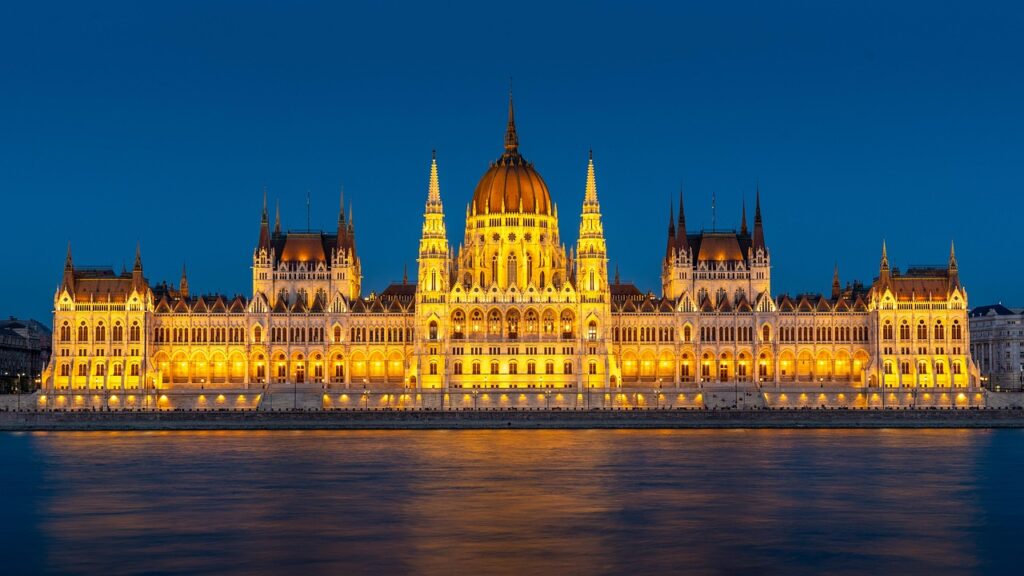
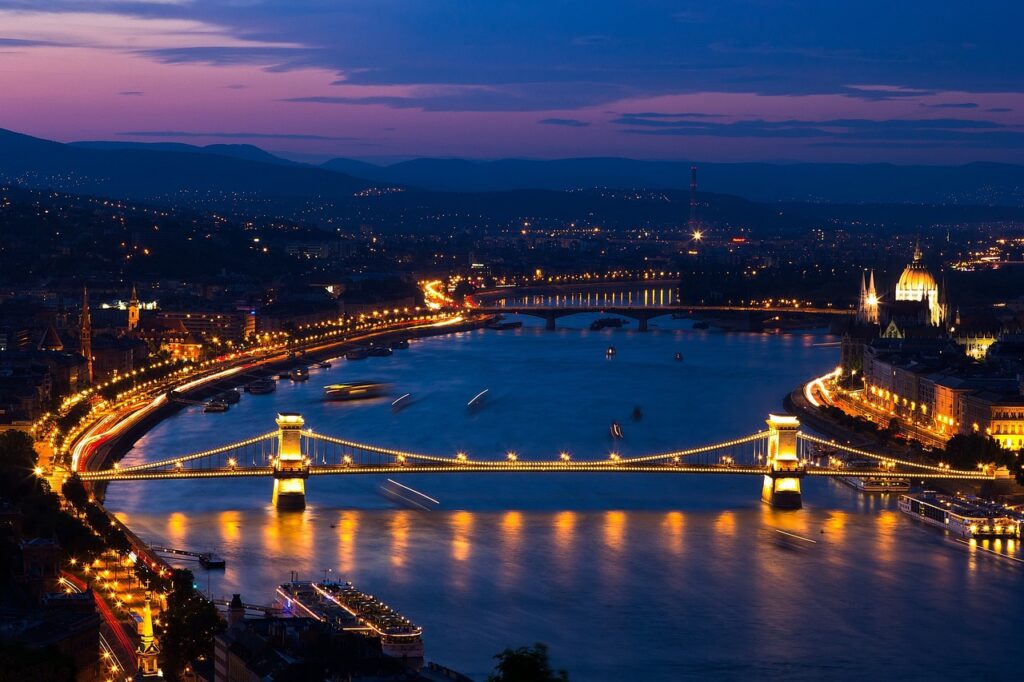
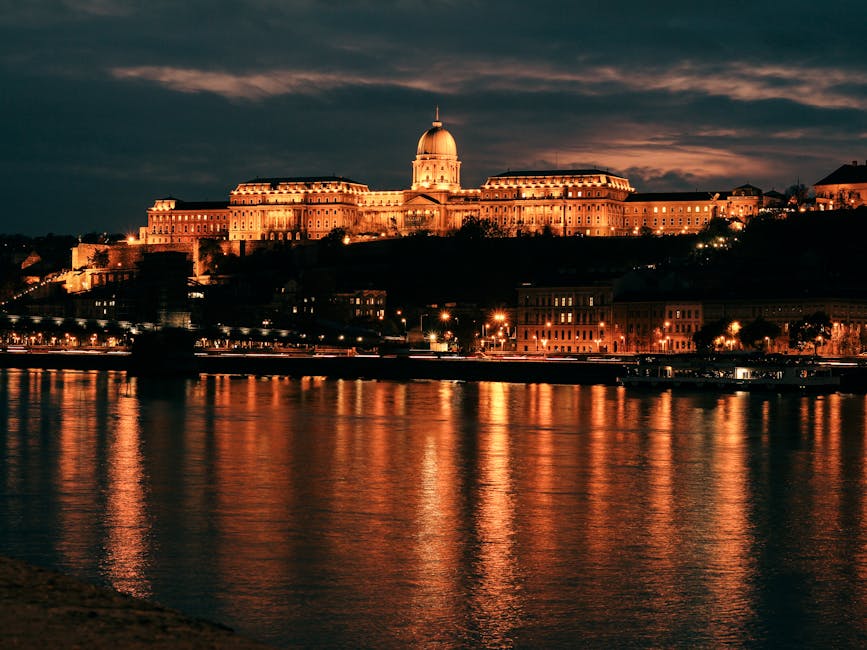
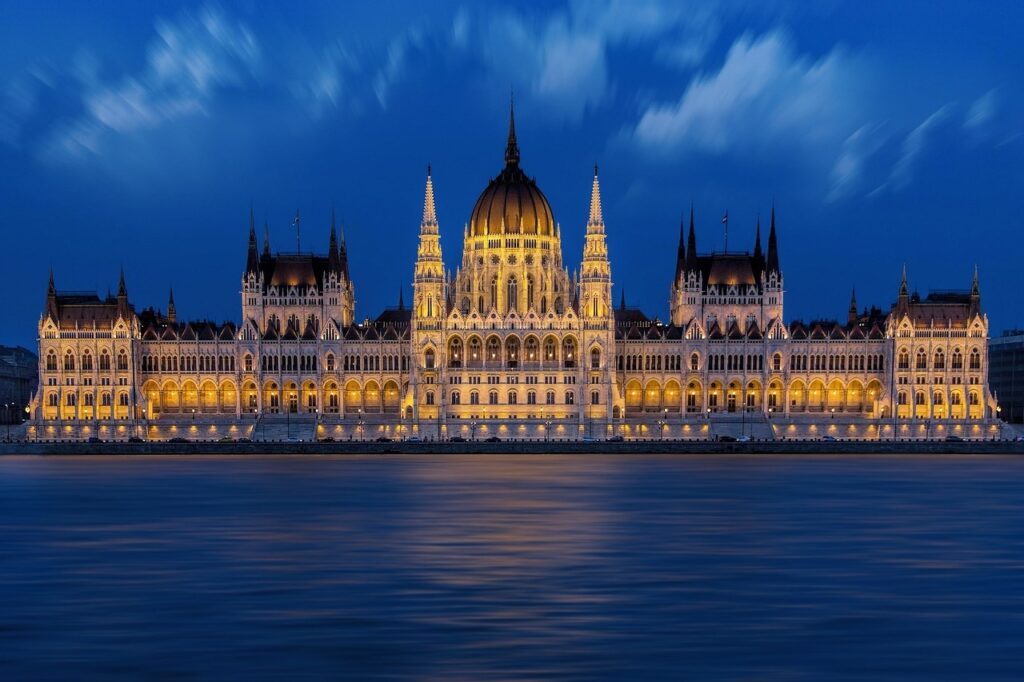
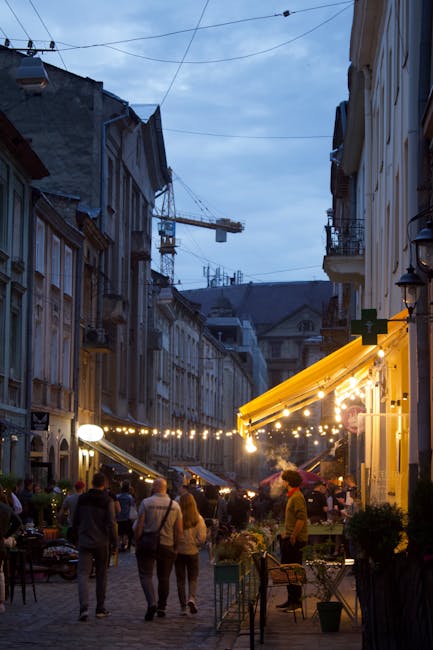
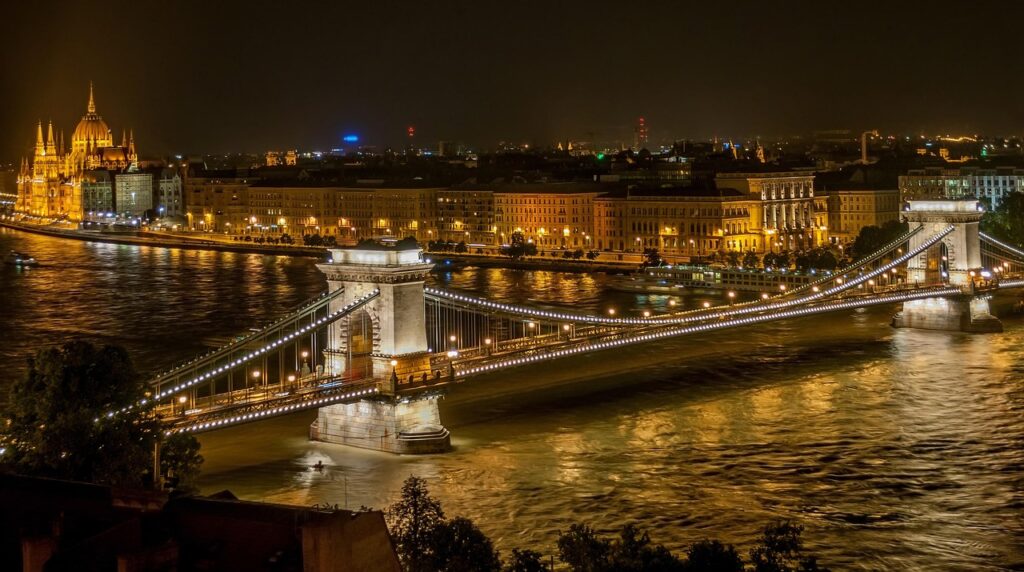
Budapest at night is a mix of magic and contrasts. The Hungarian capital combines imperial architecture, illuminated Danube banks, steaming thermal baths and a buzzing nightlife that draws visitors from around the world. Wandering between the golden glow of the Hungarian Parliament (Országház — Kossuth Lajos tér 1-3, 1055 Budapest) and the steep lanes of Buda Castle (Szent György tér 2, 1014 Budapest) feels cinematic: lit bridges, baroque facades and late‑closing cafés. Yet, as in any major city, nights in Budapest call for thoughtful choices about where to go, which routes to take and how to stay prudent to avoid mishaps.
This practical guide, aimed at attentive and curious travelers, gives a detailed overview of safe neighborhoods to visit after dark, areas that require caution, and places best avoided once the sun goes down. You’ll find full addresses, typical opening hours, price ranges in euros (realistic 2024 market estimates), plus immersive descriptions to help you decide where to go. We cover night transport (metro, tram, night buses), taxis, ride‑hailing services and walking as an option between nearby spots.
Budapest is split into two distinct sides: Buda (westbank, hillier and more residential) and Pest (eastbank, flatter and livelier). Buda neighborhoods (I. Castle District, XI. Újbuda, XII. Hegyvidék) are often seen as quieter and safer at night, great for peaceful strolls and lookout points. In Pest, central zones like V. Belváros‑Lipótváros (downtown, riverside), VI. Terézváros (Andrássy, the Opera) and parts of XIII. Angyalföld remain safe and full of nighttime options. By contrast, VII. Erzsébetváros (the famous ruin‑bar district) is extremely lively but calls for vigilance against pickpockets and alcohol‑related incidents. Further out, certain pockets of VIII. Józsefváros and IV. Újpest can become less advisable after dark.
Before diving into neighborhood details, keep a few basic rules in mind: keep valuables close, avoid flashing expensive cameras or jewelry in dim alleys, stick to well‑lit and busy areas if you’re out late alone, prefer official taxis (Főtaxi or Bolt/Taxify via app) for safer night trips, and report any uncomfortable situation to local police (Police — dial 107, or 112 for emergencies). Prices shown in this guide are estimates in euros (EUR) to help planning; exchange rates and seasonality will affect actual costs.
Safe neighborhoods to visit at night (Buda and select parts of Pest)
Several Budapest neighborhoods remain particularly safe and pleasant after dark, whether you’re after a romantic stroll, cultural night out or a quiet dinner. Here are the areas to prioritize, with specific spots, addresses, typical hours and price pointers.
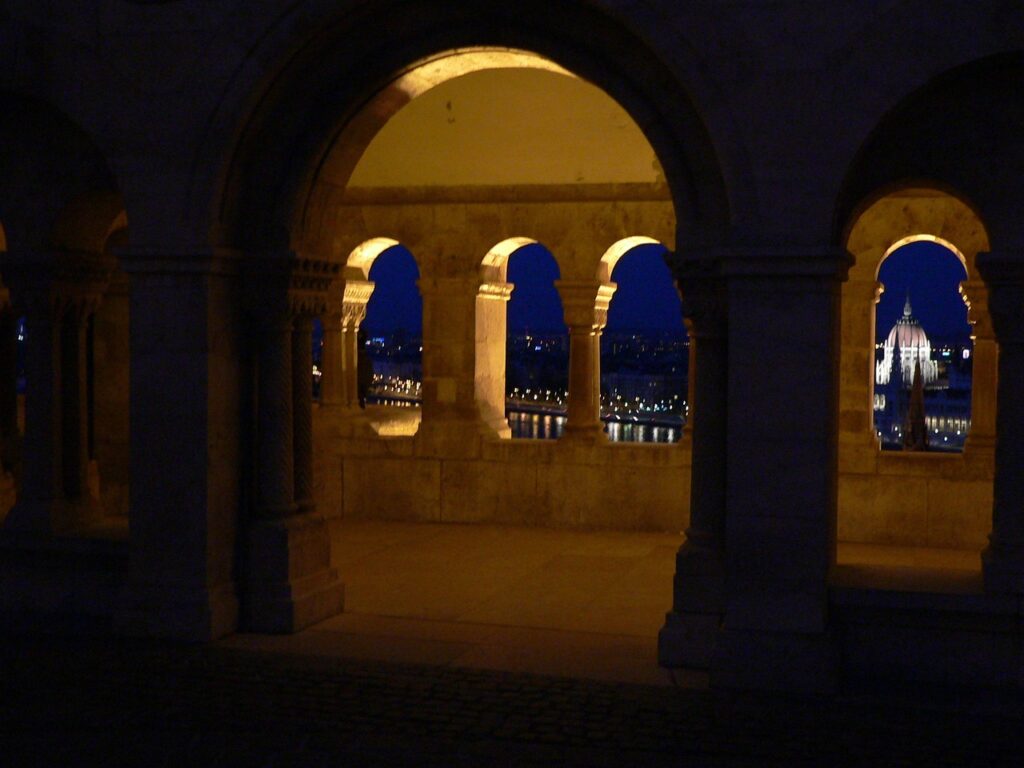
- Buda Castle / Castle District (I. kerület) — Szent György tér 2, 1014 Budapest. The Castle District is calm after 9pm, well lit and patrolled by tourist police. Cobbled streets and river views offer memorable panoramas. It’s walkable from the Castle funicular (Budavári Sikló — Clark Ádám tér, 1013), usually open 7:30am–10pm in high season. Recommended night walk: the Fisherman’s Bastion (Halászbástya, Szentháromság tér 5, 1014) for city lights. Free entry; golden hour after 8pm is ideal.
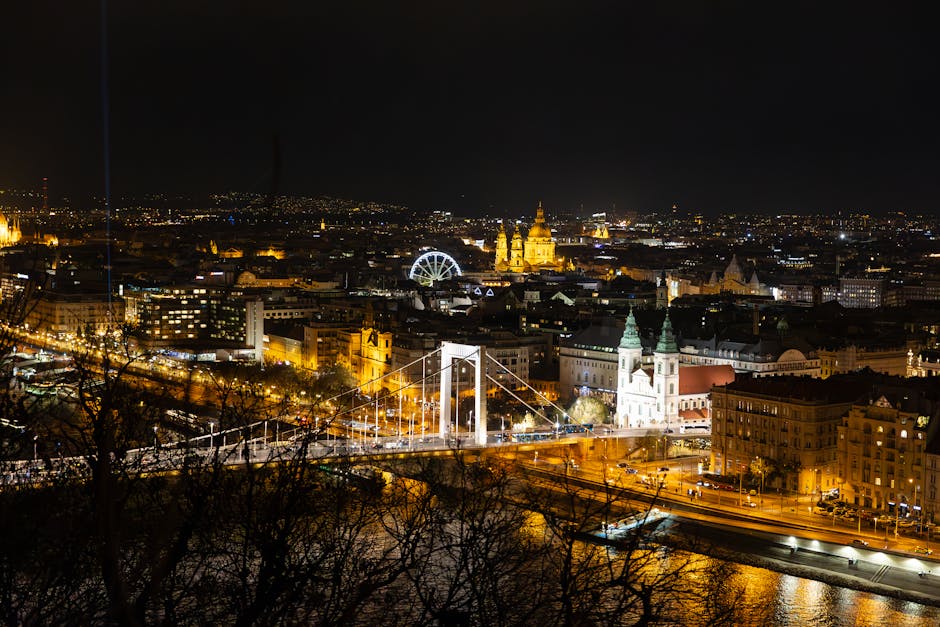
- Gellért Hill and Gellért area (XI. kerület) — Gellért Hill (Gellért‑hegy) and Szent Gellért tér 1, 1111 Budapest. The slopes offer nightly viewpoints over the city and the Chain Bridge. The park is generally safe but less busy late; stick to areas near tram stops and main access points. Nearby, the Gellért Baths (Gellért Thermal Bath and Hotel — Szent Gellért tér 1, 1111) typically close around 8–9pm (entrance ~€16–€25 depending on options).
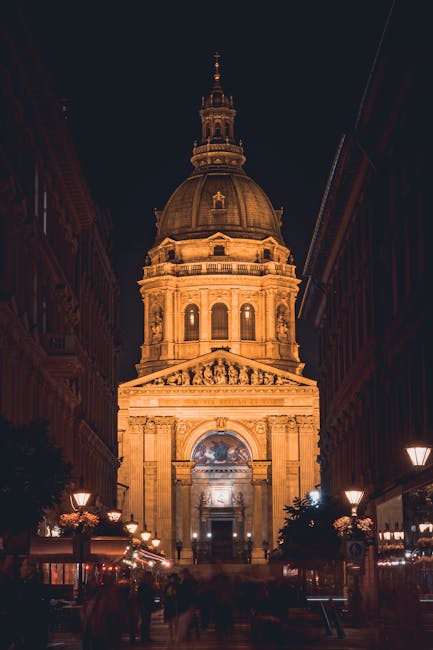
- V. Belváros‑Lipótváros (Center — Parliament area) — Kossuth Lajos tér and Szent István tér. Heavily visited at night by tourists, the area around St. Stephen’s Basilica (Szent István tér 1, 1051; dome visit ~€5–€8, hours vary 9am–5pm) and the Parliament is well lit and secure. Bars and restaurants stay open late; a drink at a busy café or bar costs around €4–€10. Wide sidewalks and a visible police presence make it comfortable for post‑dinner walks.
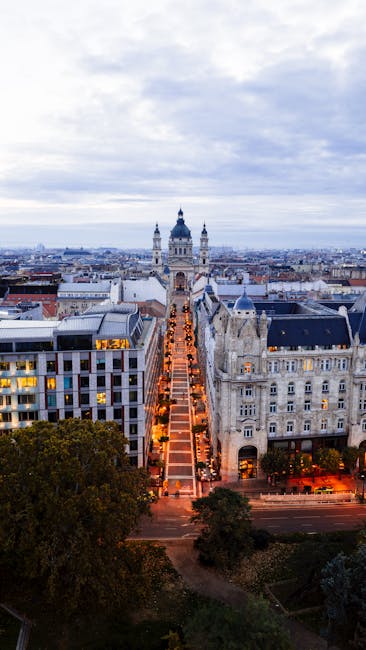
- Andrássy Avenue and the Opera (VI. Terézváros) — Andrássy út 22, 1061 (Hungarian State Opera House). Andrássy is an elegant nighttime promenade, well lit with cafés and theatres. The Opera and quality restaurants attract a calm crowd and safety is generally good. Opera tickets: from roughly €10–€40 depending on seat; box offices often open until 7–8pm.
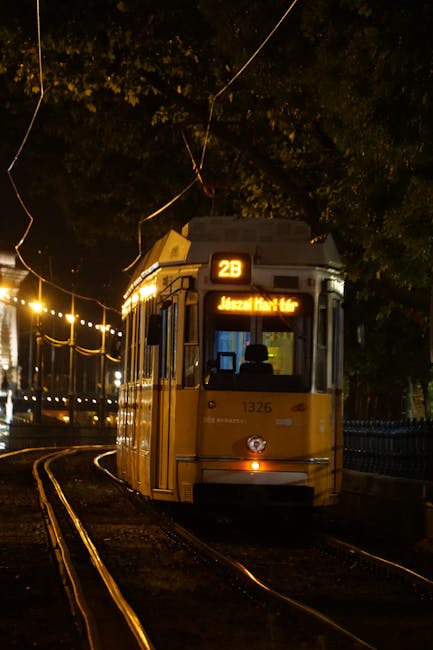
Practical tips for these areas: use official night trams (tram 2 along the Danube runs late) and the metro (M1, M2, M3) while lines are operating — a single ticket costs about €1.20; keep a paper map or screenshot handy if your phone dies. For taxis, use Főtaxi (call 1 222 2222) or Bolt/Uber‑type apps; typical night taxi base fare ~€3.50 + ~€1.10/km (approximate).
Lively neighborhoods that require caution: stay alert (Erzsébetváros, inner Józsefváros)
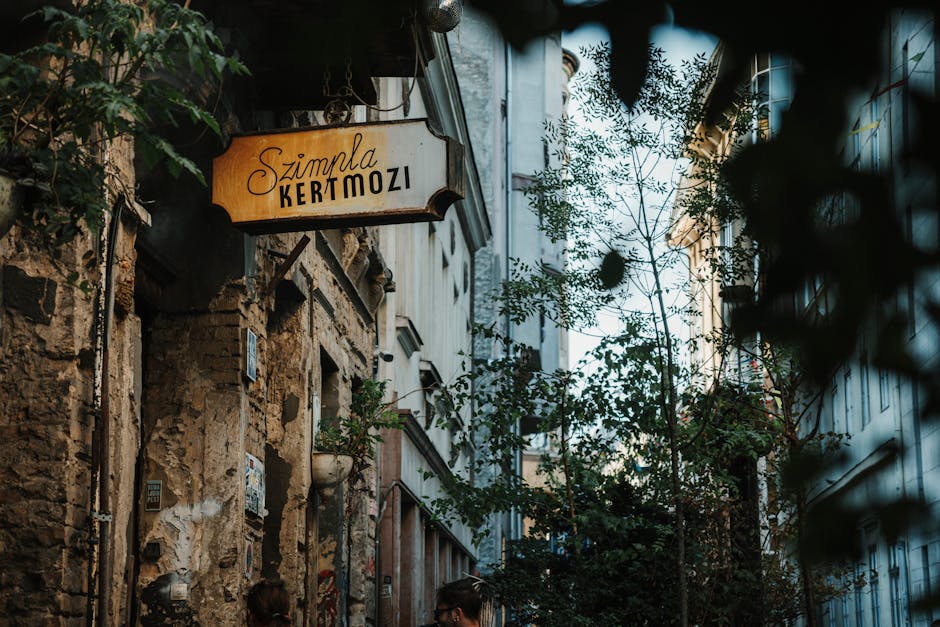
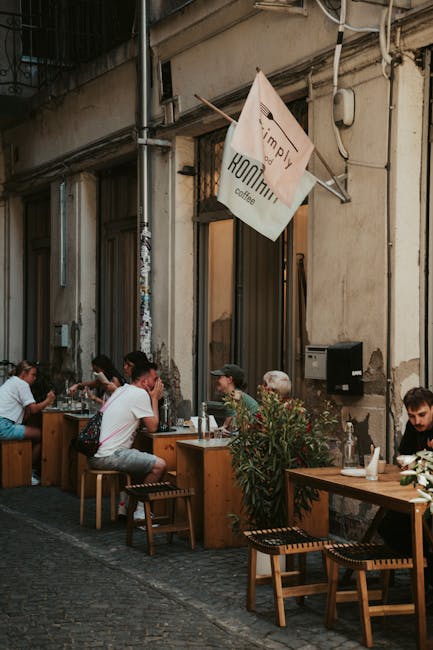
The 7th district (Erzsébetváros), especially around Kazinczy Street and Gozsdu Courtyard (Gozsdu Udvar — Király utca 13, 1075 Budapest), is the epicenter of nightlife with its iconic ruin bars. These spots are must‑see for their unique vibe, but the crowds, alcohol and high footfall also attract pickpockets and occasional scuffles. Below are concrete places, hours and price ranges to orient yourself:
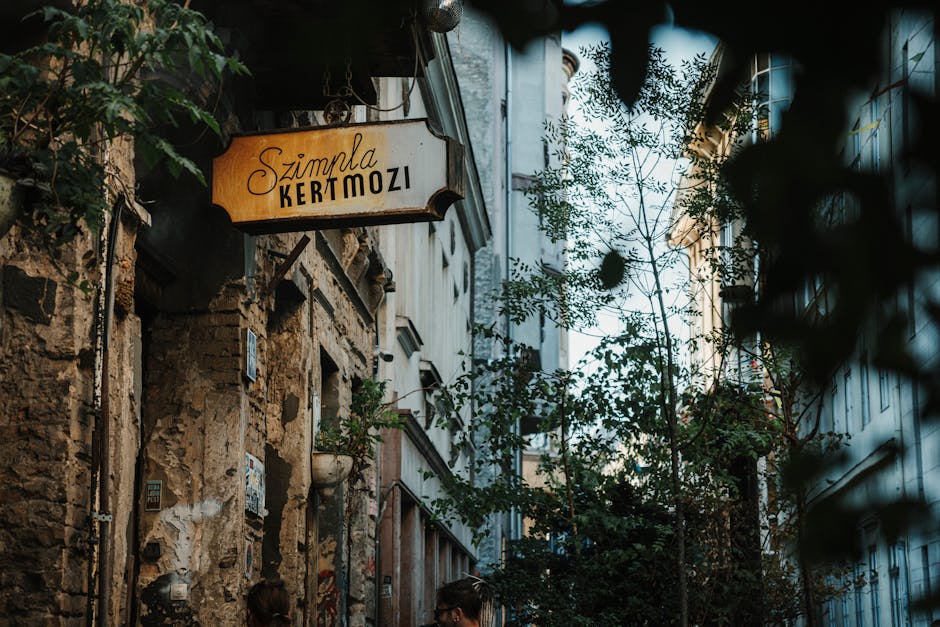
- Szimpla Kert — Kazinczy utca 14, 1075 Budapest. Usually open 10am–4am (hours vary with events). Typical spend: beer €3–€5, cocktails €6–€9. Bohemian, recycled décor and heavy weekend crowds. Carry both cash and card; watch out for pickpockets in the crush.
- Instant & Fogasház — Akácfa utca 51–53 / Holló utca 1, 1073 Budapest. Club and bar complex, open until around 5am. Entry often €3–€10 depending on the night.
- Gozsdu Udvar — Király utca 13, 1075 Budapest. Inner courtyard full of bars and restaurants open late; very lively and ideal for bar‑hopping in company. Some restaurants stay open until 1–2am; mains €8–€15.
Erzsébetváros is generally safe if you take precautions: keep your bag in front, don’t leave drinks unattended, avoid dim alleyways when exiting bars and travel in groups when crossing the neighborhood late. Emergency services and police are active in these festive areas, but crowd density can slow responses. Main streets like Király utca, Rákóczi út and Erzsébet körút are better lit than small side passages.
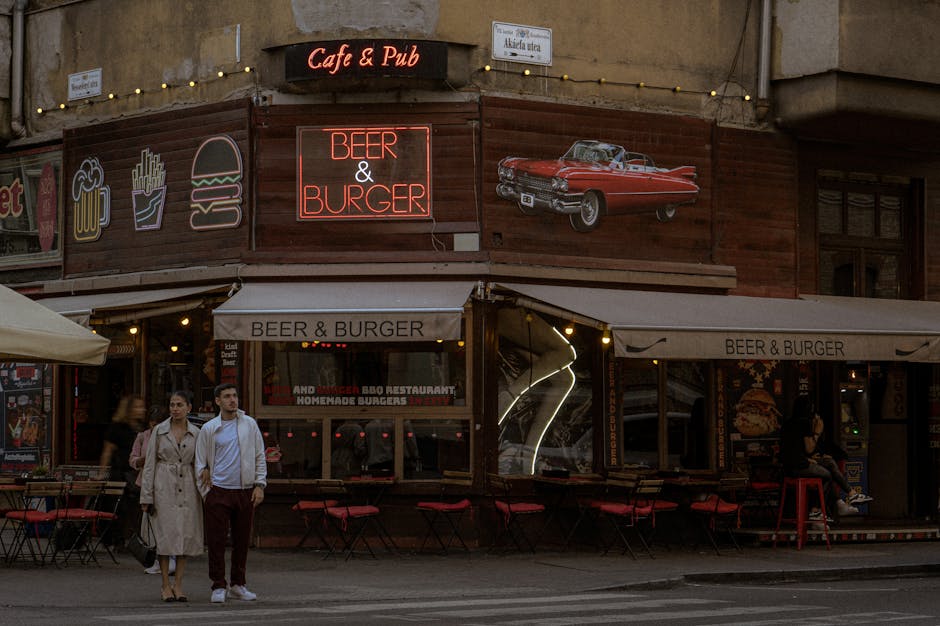
Another area to watch is Józsefváros (8th district and parts of the 9th cultural quarter). The rehabbed Palace District (Palotanegyed) has made some blocks safer (near Hungária körút), but there are poorer, less monitored pockets that remain. The key is to avoid wandering into residential blocks with no nightlife at night. If you must cross these areas, stick to main thoroughfares, use trams and opt for official taxis for night trips.
Neighborhoods to avoid or treat with extra caution at night (some outer areas)
On Budapest’s outskirts, certain neighborhoods can carry higher risks after dark. That doesn’t mean they’re strictly off‑limits, but tourists should exercise heightened caution, especially if alone. Here are the sectors most commonly cited and why:
- IV. Újpest (north) — Areas around Újpest‑Városkapu metro and industrial zones. Some streets become deserted late; stick to the metro station (Újpest‑Központ, 1042 Budapest) or zones near the train hub rather than quiet residential alleys. Transport: the M3 metro runs until roughly midnight; afterwards use night buses. A taxi from the center costs about €12–€20 depending on traffic.
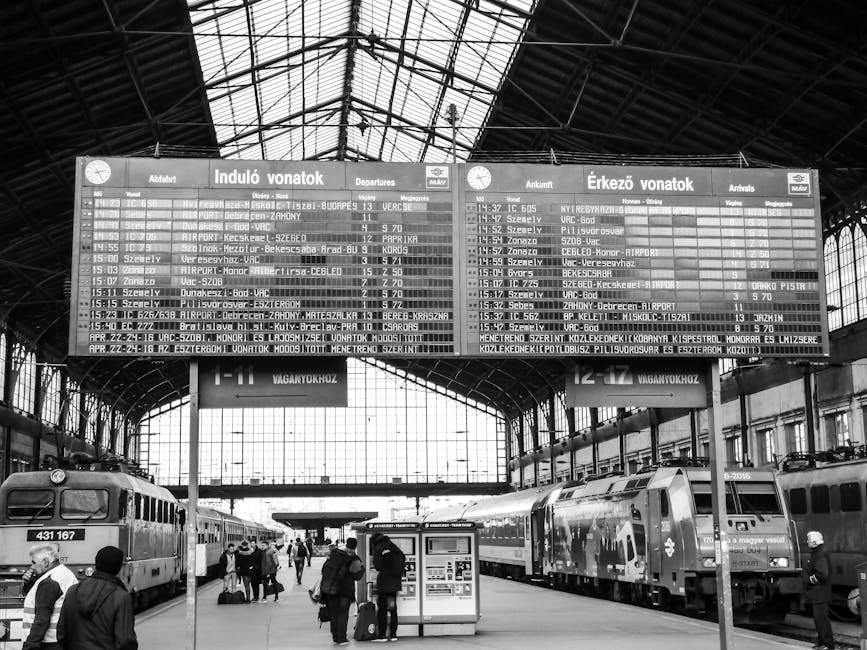
- Certain parts of VIII. Józsefváros (non‑renovated blocks) — Spots around Népszínház utca and Horváth Mihály tér may feel less safe. Landmark address: Népszínház utca 22, 1081. At night, prefer main avenues and Keleti station (Budapest Keleti pályaudvar — Baross tér 11, 1087). The station is well connected but can attract opportunistic pickpockets in halls and on platforms late at night.
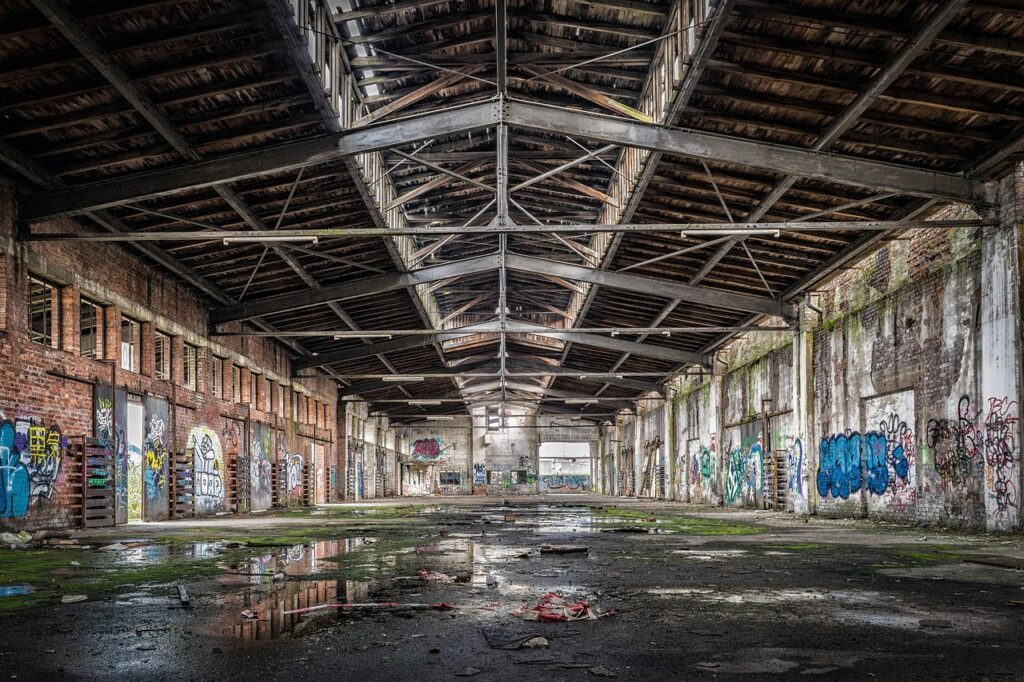
- Remote industrial zones (southeast, northeast) — Beyond well‑served lines, some warehouse districts and brownfields are not recommended after dark. Avoid wandering alone without a clear plan. Example to avoid at night: the environs of Gyáli út industrial area if you have no planned destination.
For these outskirts, practical advice includes: plan your return trip in advance, avoid walking alone after midnight, favor official taxis or apps (Bolt) and keep your accommodation’s full address (name, street and postal code) handy. A ride from downtown to the suburbs can range €10–€25 depending on distance and time; agree a rough fare or use an app with automatic estimate to avoid unpleasant surprises.
Practical tips, transport and personal safety at night
Feeling safe in Budapest at night often comes down to planning and simple habits. Here are detailed tips, transport options with addresses and indicative prices, and local recommendations to minimize risk and get the most out of the city after dark.
- Tickets and transport passes — Single ticket for metro/tram/bus: about €1.20. 24‑hour pass: around €5.00 (season dependent). Buy tickets from station vending machines, newsagents (trafik) or via the BKK FUTÁR official app (Budapest Transport). Keep your validated ticket until the end of the journey; fines for fare evasion are steep (can exceed €40).
- Taxis and ride‑hailing — Prefer Főtaxi (telephone: +36 1 222 2222) or Bolt for night trips. Typical taxi base fare about €3.50 + €1.10–€1.30/km; a downtown–airport ride (Liszt Ferenc Airport — Budapest Ferenc Liszt International Airport, Ferihegy 1, 1185) costs roughly €25–€35 depending on traffic. Unofficial cars may overcharge; always ask for an estimate or use an app.
- Night transport — Several tram and bus lines run late. Tram 2 along the Danube offers superb nighttime views and is frequent. Metro M1 (Andrássy) and M2 usually close around midnight on weekdays; check local timetables and use night buses (marked with N) after metro hours.
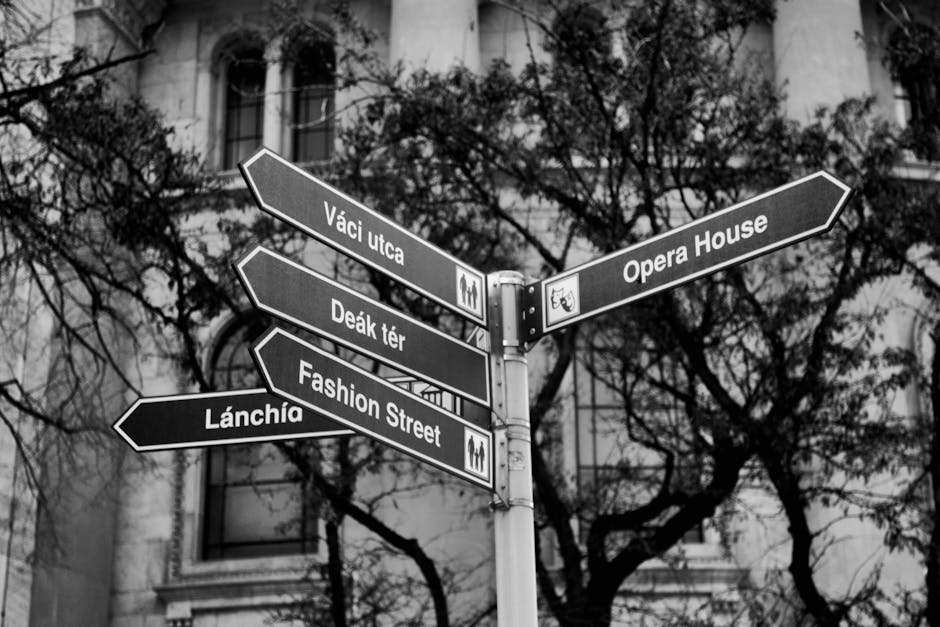
- Lighting and routes — Stick to main avenues (Andrássy út, Váci utca, Rákóczi út) and the Danube embankments at night. Avoid isolated, unlit alleys, especially when leaving bars. Keep your phone’s flashlight handy for darker stretches.
- Money and payments — Use cards for restaurants and shops; still carry some cash (€30–€50) for small purchases. Some tiny bars or street stalls accept cash only. ATMs are widespread but check fees for international withdrawals.
In an emergency, the European emergency number is 112. For non‑urgent police matters, the local line is 107. Police stations are present in tourist areas and most hotels have direct lines to emergency services if needed. If you witness an assault or other incident, move to a busy public place (station, hotel, restaurant) and ask for help — fellow travelers and local businesses are often responsive.
Conclusion
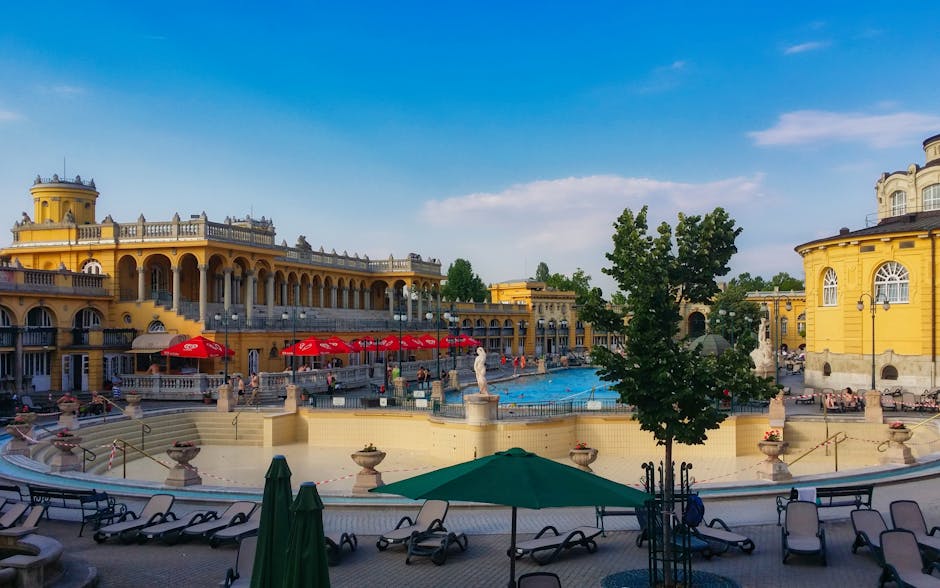
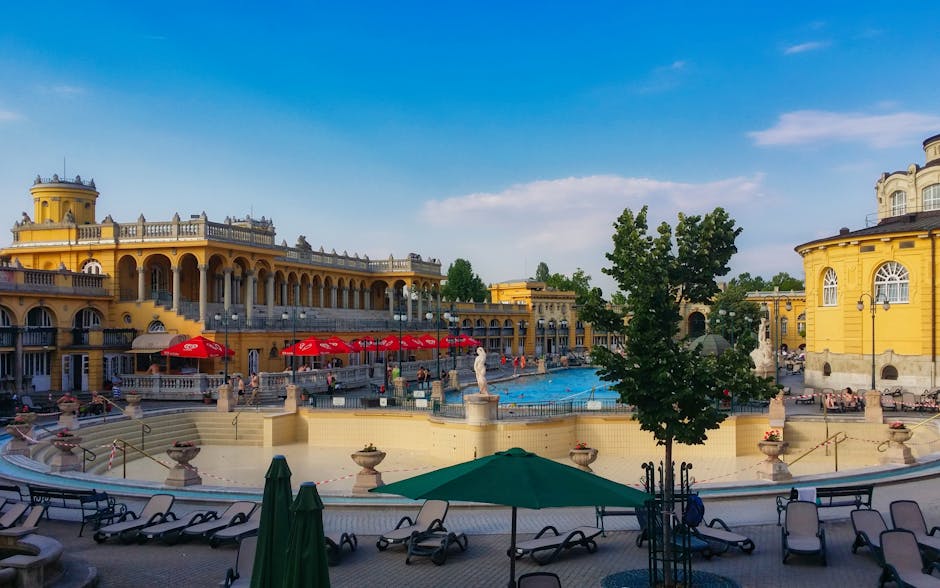
Budapest at night is a city of contrasts: from romantic, majestic panoramas to the pulsing corners of nightlife, each neighborhood offers a different experience. Areas like Buda Castle (Szent György tér 2, 1014), the Parliament district (Kossuth Lajos tér 1-3, 1055) and Andrássy Avenue (Andrássy út 22, 1061) are generally safe and great for late walks, with good street lighting and tourist services. Thermal baths like Széchenyi (Széchenyi fürdő — Állatkerti krt. 9-11, 1146 Budapest) and Gellért (Szent Gellért tér 1, 1111) offer quieter, secure evening experiences — plan about €16–€25 for entry depending on the facility and options.
Festive districts like Erzsébetváros (Kazinczy utca 14 — Szimpla Kert, Gozsdu Udvar Király utca 13) deliver a one‑of‑a‑kind vibe but demand vigilance: pickpockets, unattended drinks and dense crowds are real. Adopt simple protective habits — keep bag and phone secure, avoid isolated routes, prefer official taxis or Bolt for late returns — and you’ll be able to enjoy the nightlife worry‑free. For peripheral zones or certain pockets of the 8th and 4th districts, plan routes, ask your hotel reception for local advice and limit walking alone after midnight without company.
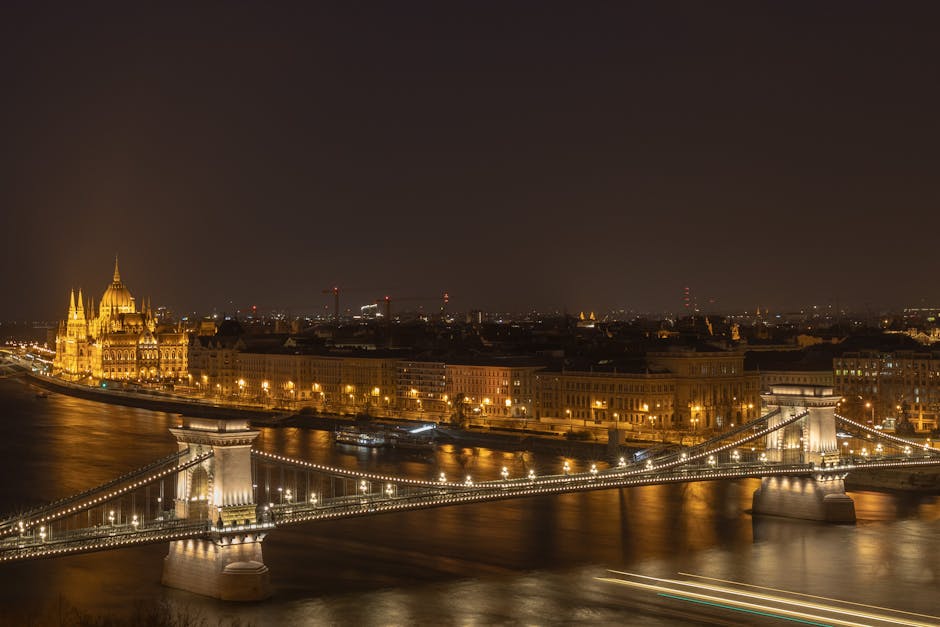
Ultimately, Budapest is a rich nighttime destination where architectural beauty meets creative bars and memorable walks. Combine curiosity with caution: keep these addresses, hours and price estimates handy, use official transport or ride‑hailing for night trips, and soak in the city’s unique atmosphere — Budapest by night is waiting for you, but it’s best explored prepared.