





Introduction — Why Budapest in 3 Days Is Worth the Trip
Budapest, Hungary’s vibrant capital, blends imperial architecture, legendary thermal baths, a thriving modern food scene and a rich cultural life. Straddling the Danube with two distinct sides — hilly Buda and flat Pest — it packs a whole range of European experiences into a relatively small area. This condensed « Budapest in 3 days » guide is aimed at first-time visitors who want to make the most of their time without missing the must-see sights, authentic walks and a few local discoveries.
In three days you can tick off the essentials: the Hungarian Parliament, Fisherman’s Bastion (Halászbástya), Buda Castle (Budavári Palota), St. Stephen’s Basilica (Szent István-bazilika), the Széchenyi Baths (Széchenyi Gyógyfürdő és Uszoda) and the Central Market Hall (Nagyvásárcsarnok). This guide offers a logical itinerary, exact addresses, typical opening hours and price ranges in euros so you can plan on the ground without surprises. Suggestions take public transport (metro, tram, bus), walking times and time-saving tips into account: buy a day tram/bus pass, book time slots for thermal baths in high season, or visit the Parliament early morning to avoid queues.
Beyond the big landmarks, Budapest is also a city of details: Art Nouveau façades, the ruin pubs of District VII, traditional pastry stands selling kürtőskalács (chimney cake), and the shifting light on the Danube that makes every view unique. The addresses and prices listed here are realistic estimates — note that in high season (May–Sept) some prices and opening times may change, so it’s often wise to check online before you go.
This guide is split into three numbered days with optimized routes. Each day pairs one or two major sites, scenic walks, a lunch suggestion and an idea for the evening. Paragraphs include exact addresses (street and postal code), typical opening hours, price ranges in euros (€) and practical tips to save time. I’ve also included inspirational images (placeholders 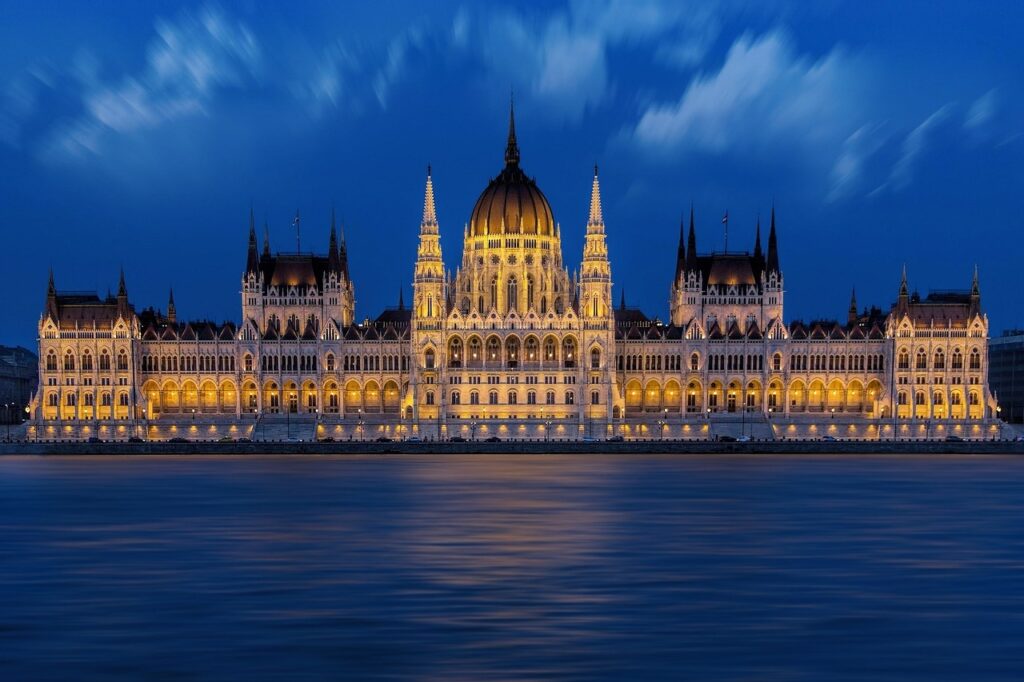 to add during layout) and local tips to help you make the most of Hungary’s capital.
1. Day 1 — The Monumental Heart of Pest: Parliament, Basilica and the Danube Riverside
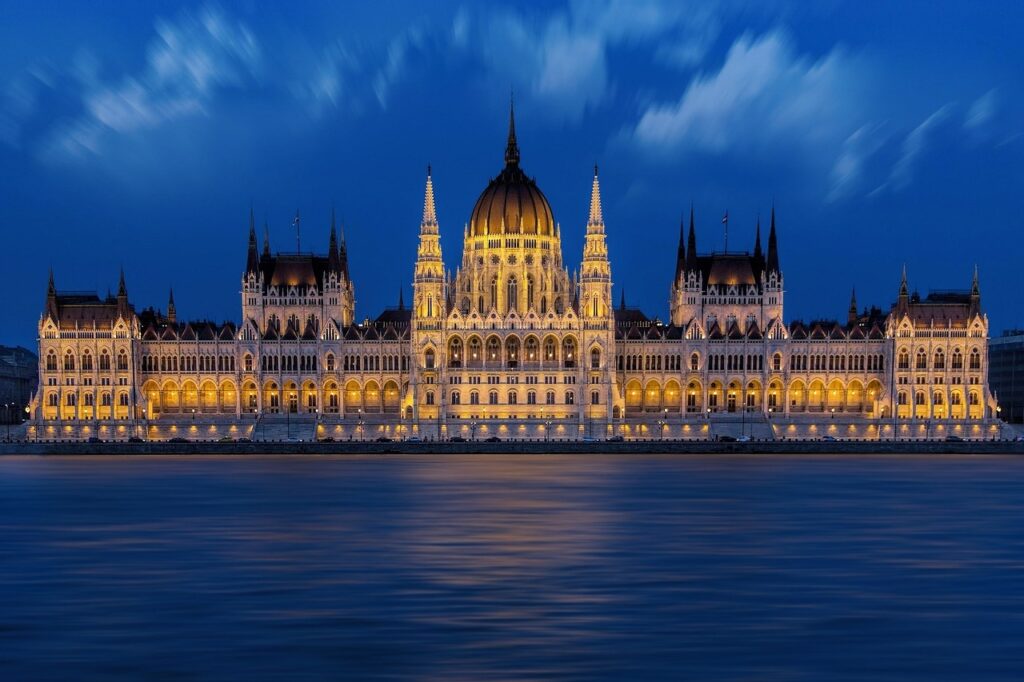
The first day is dedicated to Pest’s riverside and grand avenues, home to many of the city’s major institutions. Start early to see the Hungarian Parliament (Magyar Országház) before tour groups arrive in force. Address: Országház / Hungarian Parliament Building, Kossuth Lajos tér 1-3, 1055 Budapest. Guided tour hours: typically 08:00–16:00 (last entry around 15:30), depending on parliamentary sessions; online booking is strongly recommended. Approximate price: €16–€20 for a standard guided tour for non-EU visitors (reduced rates for students/young people).
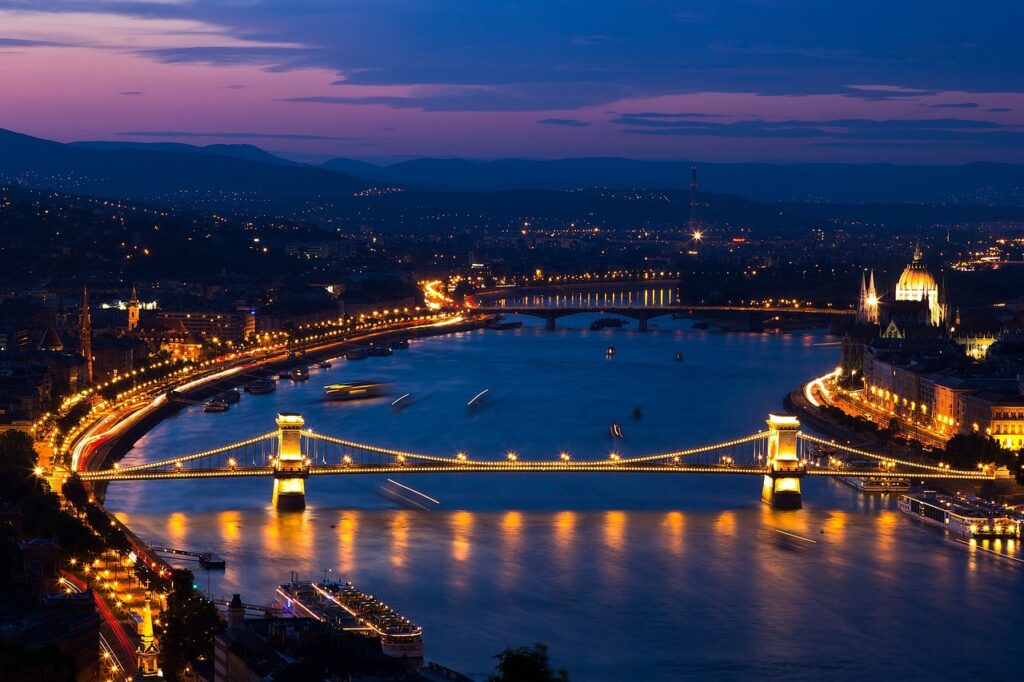
After the Parliament, walk along the Danube embankment from Kossuth Lajos tér toward the Chain Bridge (Széchenyi Lánchíd) and enjoy views of Buda Castle. This walk takes you past Liberty Square and the poignant Shoes on the Danube Bank memorial, located at Id. Antall József rakpart, 1054 Budapest, which is freely accessible 24/7. 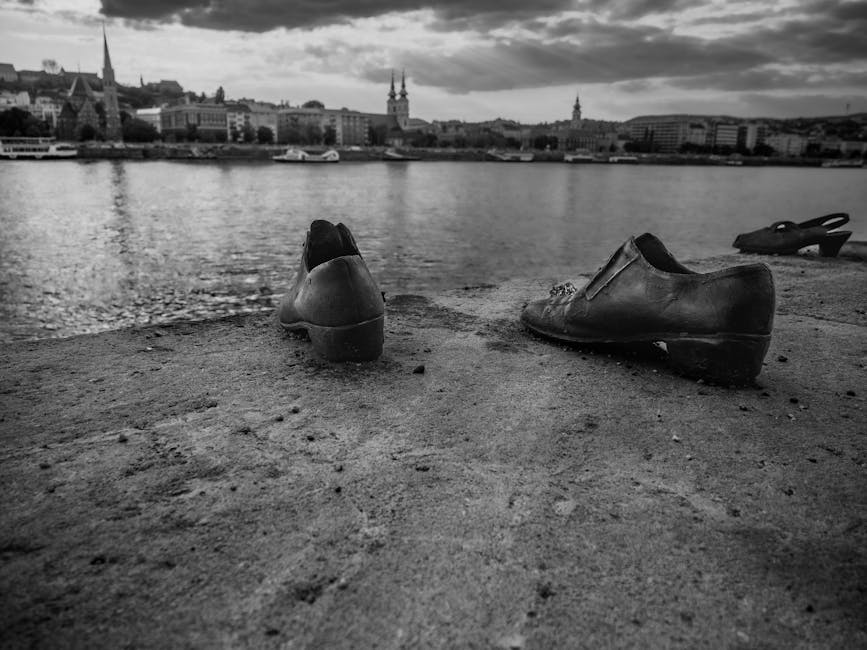
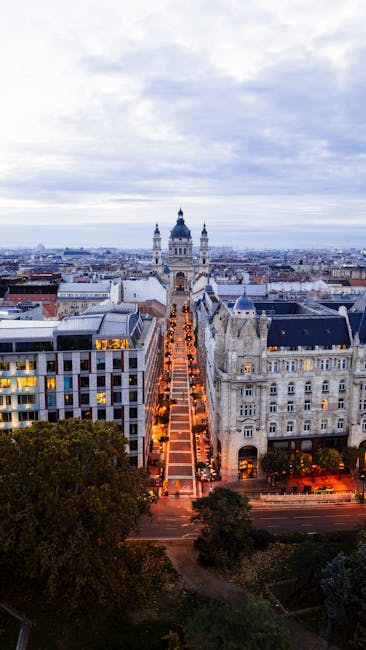
Continue to St. Stephen’s Basilica (Szent István-bazilika): Szent István tér 1, 1051 Budapest. Hours: 09:00–17:00 for the basilica and dome access (times vary with services). Price to climb the dome: roughly €3–€5. Don’t miss the richly decorated interior and the relic of Saint Stephen’s right hand (the « Holy Right »). 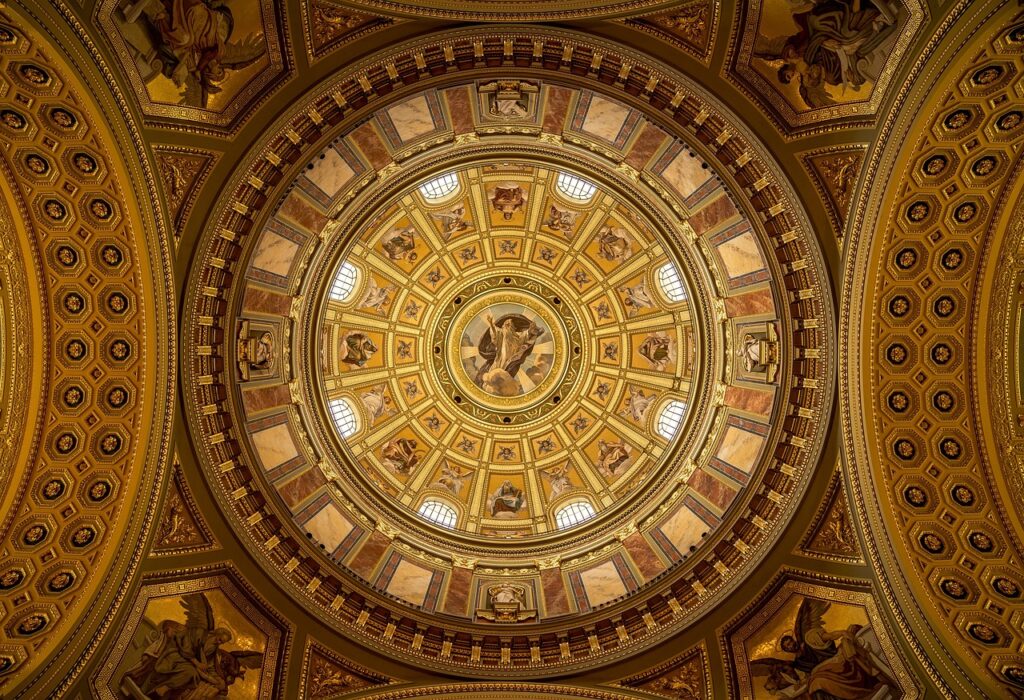
For lunch head to the Great Market Hall (Nagyvásárcsarnok): Vámház körút 1-3, 1093 Budapest. Hours: 06:00–18:00 (Sunday 06:00–15:00). It’s the perfect place to try Hungarian dishes: goulash (gulyás), and lángos topped with sour cream and cheese. Typical price per dish: €5–€10. 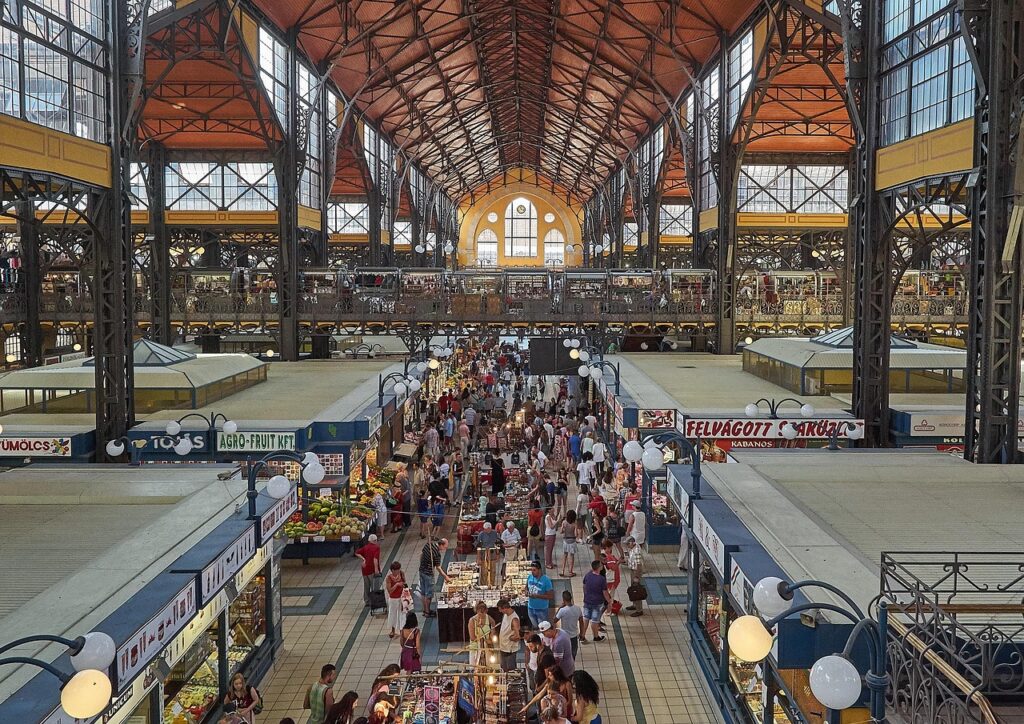
In the afternoon, stroll down Váci utca (Váci utca, 1052 Budapest) for classic shopping and, time permitting, take a Danube cruise. One-hour mini cruises from the riverside usually cost around €10–€20 and run frequently, especially at sunset (book ahead if possible). In the evening, experience a ruin pub in District VII — Szimpla Kert: Kazinczy u. 14, 1075 Budapest. Hours: 10:00–02:00 (may vary). Usually free entry; drinks around €3–€8 depending on what you order. 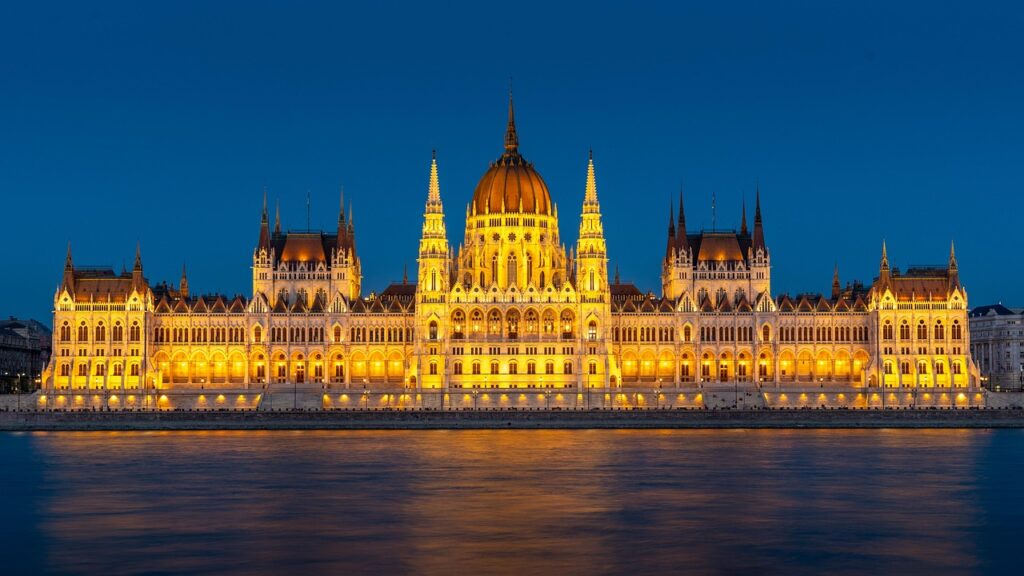
2. Day 2 — Historic Buda: Castle, Fisherman’s Bastion and Panoramas
Cross the Chain Bridge (Széchenyi Lánchíd) early to reach Buda Hill. Start at Buda Castle (Budavári Palota) at Szent György tér 2, 1014 Budapest. The complex houses several museums: the Budapest History Museum (Budapest Történeti Múzeum) and the Hungarian National Gallery (Magyar Nemzeti Galéria). Hours: generally 10:00–18:00. Prices: individual museum entries around €8–€12 depending on the exhibition. The site offers spectacular vistas over Pest and the Danube, especially photogenic at sunrise or sunset. 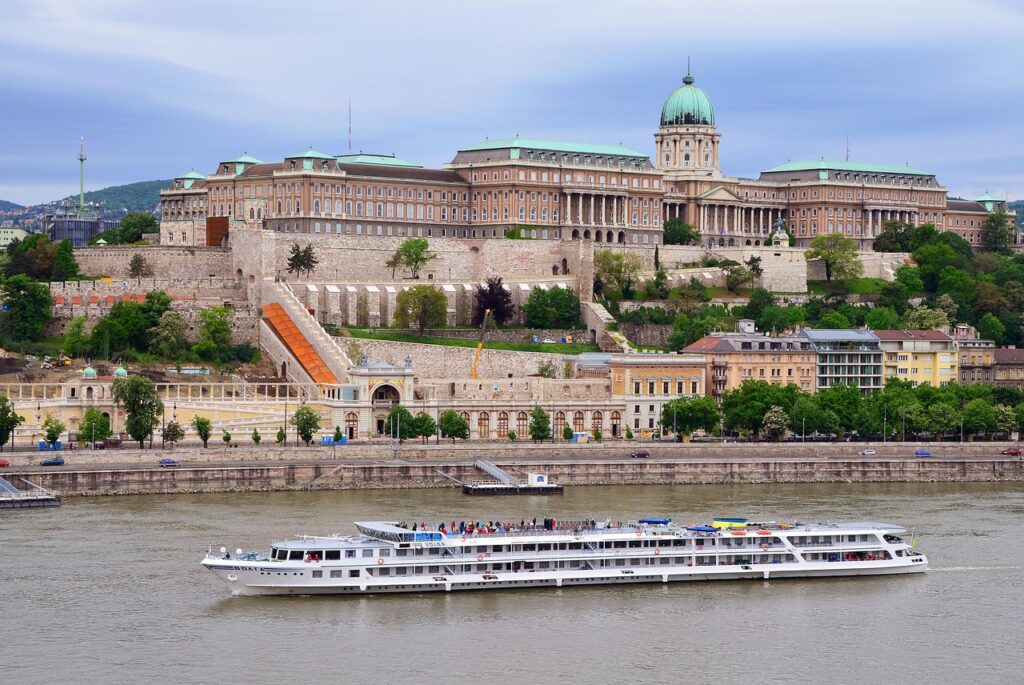
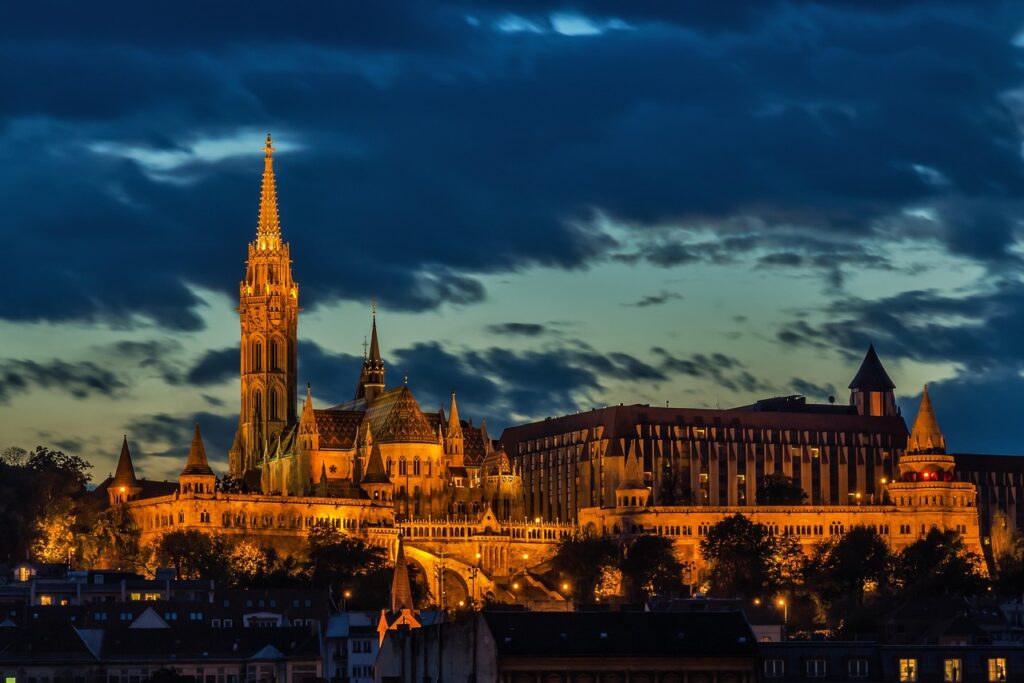
A short walk away, visit Matthias Church (Mátyás-templom): Szentháromság tér 2, 1014 Budapest. Hours: generally 09:00–17:00 (varying for services). Entry price: about €8–€10 for tourists, less for students. The interior dazzles with colorful stained glass and frescoes; the ornate exterior and tiled roof are a distinctive sight. Right next to it, Fisherman’s Bastion (Halászbástya): Szentháromság tér 5, 1014 Budapest offers terraces, towers and stairways. The terrace is free, although access to the towers may cost around €2–€4. 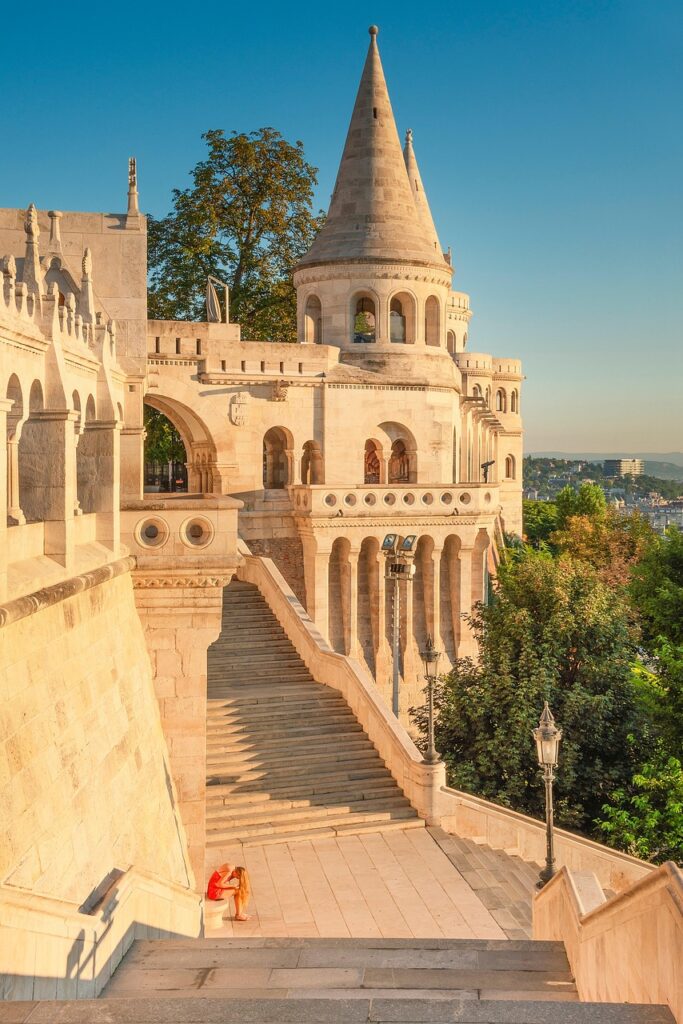
For lunch try the traditional Pest-Buda Bistro: Szentháromság u. 2, 1014 Budapest. Main dishes typically cost €10–€20. Afterwards, head down toward Gellért Hill for one of the city’s best panoramic viewpoints from the Citadel (Citadella, Szent Gellért tér, 1118 Budapest) and the Liberty Statue (Szabadság Szobor). The climb takes about 20–30 minutes on foot from the Elizabeth Bridge (Erzsébet híd), or you can take a local bus.
Late afternoon, unwind in the famous thermal baths. Two main options:
- Széchenyi Thermal Bath — Állatkerti krt. 9-11, 1146 Budapest. Hours: 06:00–22:00 (sometimes later). Price: day tickets roughly €18–€26 depending on type (locker vs cabin, weekend vs weekday). The large outdoor pools are a special treat both in winter and summer.
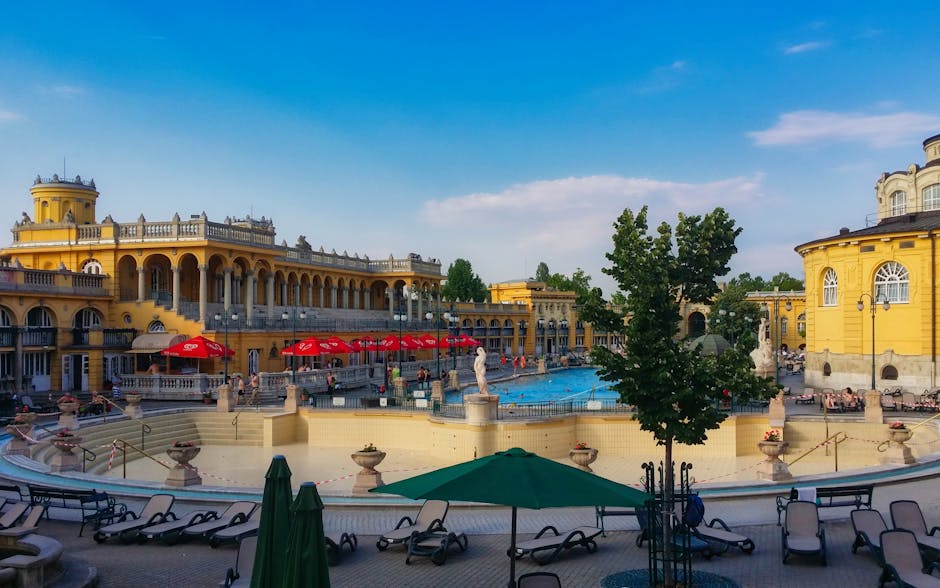
- Gellért Baths — Szent Gellért tér 1, 1111 Budapest. Hours: 06:00–19:00 (may vary). Price: about €15–€22. The interior’s Art Nouveau architecture is very photogenic.
In the evening, dine in Buda at 21 Magyar Vendéglő: Országház u. 18, 1014 Budapest. Traditional dishes with a modern twist; starters around €6–€12, mains €12–€25. Tip: book a table for sunset if you want panoramic views. 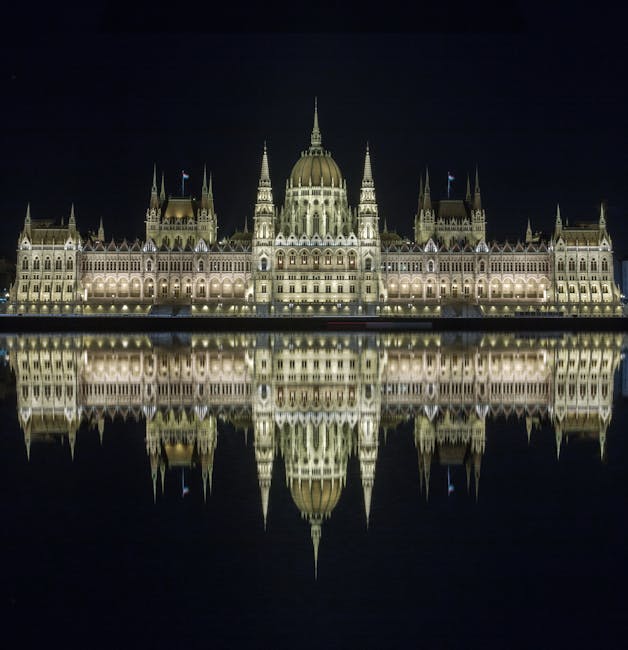
3. Day 3 — Culture, Alternative Museums and Lively Neighborhoods
The third day is for cultural discoveries, soaking up lively neighborhoods and visiting some less touristy spots. Start at the Hungarian National Museum (Magyar Nemzeti Múzeum): Szent György utca 2, 1088 Budapest (note: check address and current exhibitions). Hours: typically 10:00–18:00. Price: entry about €8–€12. The museum traces Hungarian history from its origins and often hosts strong temporary exhibitions.
Continue into the Jewish Quarter and the Great Synagogue (Dohány Street Synagogue): Dohány utca 2, 1074 Budapest. Visiting hours: roughly 10:00–16:00 (check for religious services). Combined ticket for the synagogue + museum + Jewish cemetery: about €12–€15. The complex is the largest in Europe and its Holocaust memorial is a moving, educational visit. 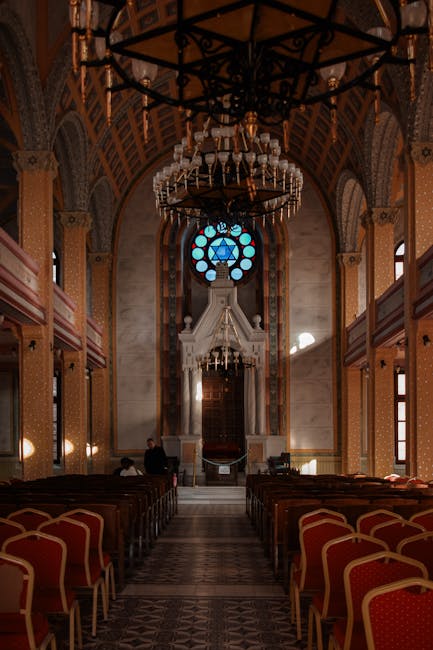
Lunch in District VII, where small canteens and cafés serve modern food at reasonable prices. For a more luxurious stop, try the New York Café: Erzsébet körút 9-11, 1073 Budapest. Hours: generally 07:00–23:00. Free entry; pastries and dishes range from €6–€25 depending on your choices. 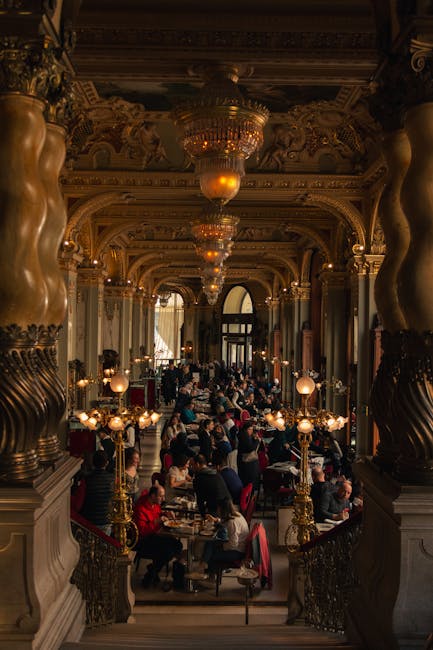
In the afternoon, pick one or two options based on your interests:
- Visit the House of Terror (Terror Háza): Andrássy út 60, 1062 Budapest. Hours: 10:00–18:00. Price: around €7–€10. A deep dive into 20th-century history under totalitarian regimes.
- Wander down Andrássy Avenue (Andrássy út) to Heroes’ Square (Hősök tere) and City Park (Városliget). The M1 metro line (the oldest) serves these sites and is a UNESCO-listed heritage route.
- For contemporary art lovers, the Ludwig Museum (Museum of Contemporary Art) at Vámház körút 6, 1093 Budapest has notable collections (hours and prices vary; entry about €6–€10).
Late afternoon, return to the riverside for a final culinary experience: a dinner cruise on the Danube (departures from multiple piers; prices €25–€60 depending on the package, with or without drinks). It’s an elegant way to end your trip, with night views of the illuminated Parliament and Castle. 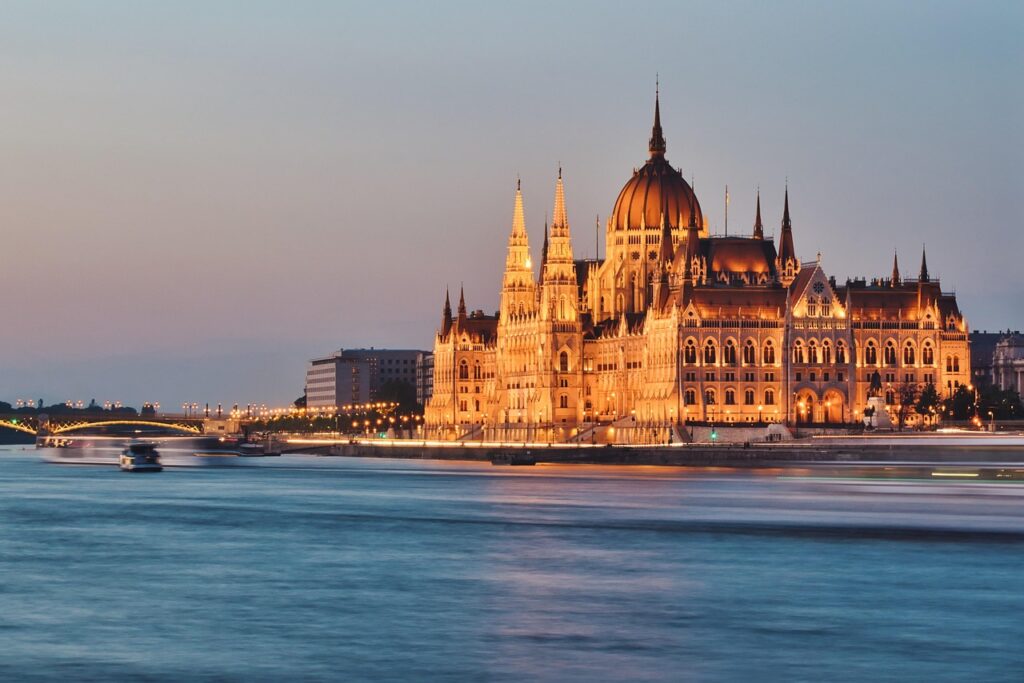
If you prefer a more local evening, catch a classical concert or an opera at the Hungarian State Opera House (Magyar Állami Operaház): Andrássy út 22, 1061 Budapest. Tickets: €10–€80 depending on seats and performance. Evening schedules vary—check the season calendar.
Practical Tips for Your Three Days
– Transport: Budapest’s network is efficient. Buy a 24-hour travelcard for about €6–€8 depending on option; a single ticket costs roughly €1–€1.50. Cards are sold at BKK kiosks, metro stations or via the official mobile app.
– Currency: although many places accept cards, always carry some Hungarian forints (HUF) for small purchases and market stalls. Euro prices here are approximate conversions to help planning.
– Bookings: reserve ahead for the Parliament, Széchenyi Baths and some restaurants in high season. English/Spanish/German guided tours are common but can sell out.
– Safety & etiquette: Budapest is generally safe, but watch for pickpockets in tourist areas and on crowded public transport. Respect dress codes at religious sites and avoid swimming in the Danube.
Conclusion — Three Full Days and Ideas to Extend Your Stay
In three days Budapest strikes a nice balance between major monuments, local experiences and moments of relaxation. You’ll have explored Pest’s historic heart, climbed Buda’s hills for unforgettable panoramas and sampled the thermal baths that make the city famous. Over the course of the trip, the mix of styles — neoclassical architecture, Art Nouveau, contemporary ruin pubs — reveals the layered, charming personality of Hungary’s capital.
If your schedule allows, add an extra day to explore the Danube Bend region (Vác, Szentendre) or to spend more time in museums and on foodie routes. For travelers short on time, stick to the proposed plan: Pest on day one to get your bearings, Buda on day two for panoramas and baths, and day three for culture and lively neighborhoods. Remember: book popular sites in advance, get a transport card if you’ll be traveling a lot, and keep a pace that lets you savor the experience — Budapest is meant to be enjoyed slowly.
Finally, bring comfortable shoes (cobblestones and hills), appropriate swimwear for the baths (swimsuit + possibly a swim cap depending on rules), and a curiosity for local food: goulash, pogácsa, lángos and pastries. Budapest invites wandering — let yourself be surprised by a hidden alley, a cozy café or an unexpected viewpoint. Safe travels and enjoy your three days in this enchanting capital.