




Introduction — Why this Budapest public transport guide is essential
Budapest, Hungary’s capital, is a city where history meets modern urban life and where the public transport network is both dense and essential for visitors. With the Danube splitting Buda and Pest, green hills and wide central avenues, getting around efficiently turns a checklist-style visit into a genuine local experience. This comprehensive guide walks you through the metro, trams, buses and the HÉV (suburban railway), with exact addresses, prices in euros, typical timetables, immersive route descriptions and practical tips to save time and money.
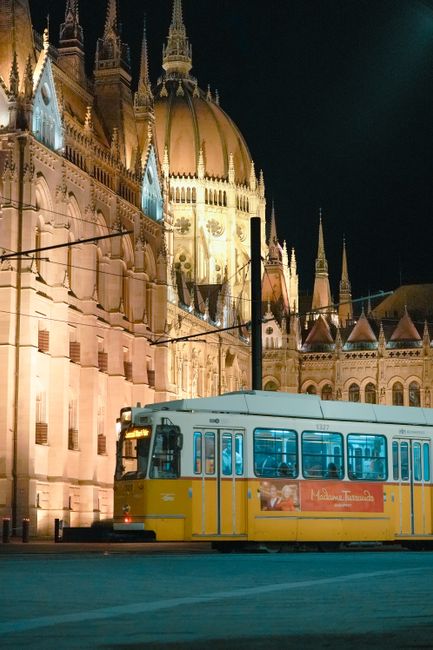
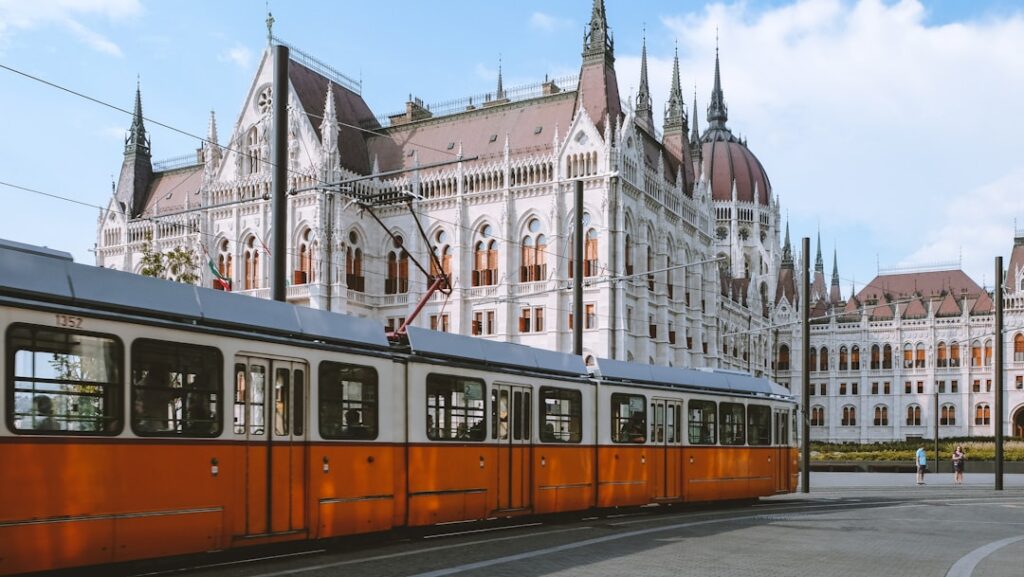
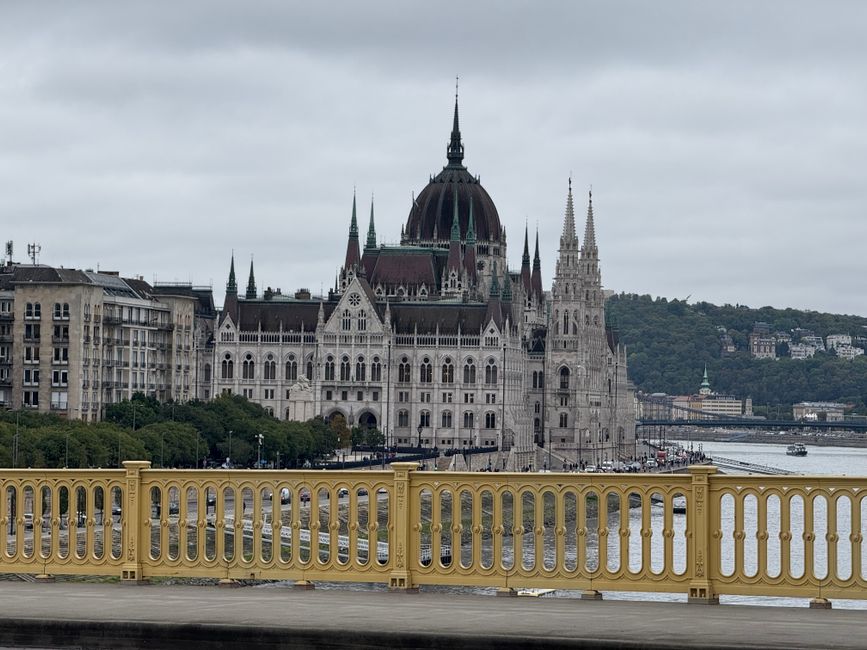
Start by getting to know the metro lines — M1 (yellow), M2 (red), M3 (blue) and M4 (green) — which cover the city center and link the main railway stations: Budapest Keleti pályaudvar (Kerepesi út 2-4, 1087 Budapest), Budapest Nyugati pályaudvar (Váci út 1-3, 1062 Budapest) and Kelenföldi pályaudvar (Bocskai út 37-39, 1117 Budapest). Trams, especially lines 4 and 6 along the Grand Boulevard (Nagykörút), offer a continuous urban panorama while tram 2 runs along the Pest bank of the Danube and provides stunning views near the Hungarian Parliament (Kossuth Lajos tér 1-3, 1055 Budapest).
Buses fill in where metro and tram don’t reach, with express lines and night services (marked with an N before the number). Finally, the HÉV (for example line H5 toward Szentendre) takes you beyond the city limits to suburban towns and scenic spots—perfect for a day trip. This guide explains ticket types, where to buy them (machines, BKK points, the BKK FUTÁR mobile app), validation rules and fines for travelling without a valid ticket.
You’ll also find local, practical tips — how to avoid rush hours (7:00–9:00 and 16:30–18:30 on weekdays), which routes offer the best views, and how to read signs and maps in Hungarian. Prices shown in euros are approximate conversions for guidance (original fares in Hungarian forints, HUF, are available at counters). This guide will help you plan journeys, save time and experience Budapest like a regular — whether you’re headed to a thermal bath, the Parliament, Fisherman’s Bastion or taking the HÉV to Szentendre’s artist-lined streets.
Metro in Budapest: lines, timetables, key stations and practical tips
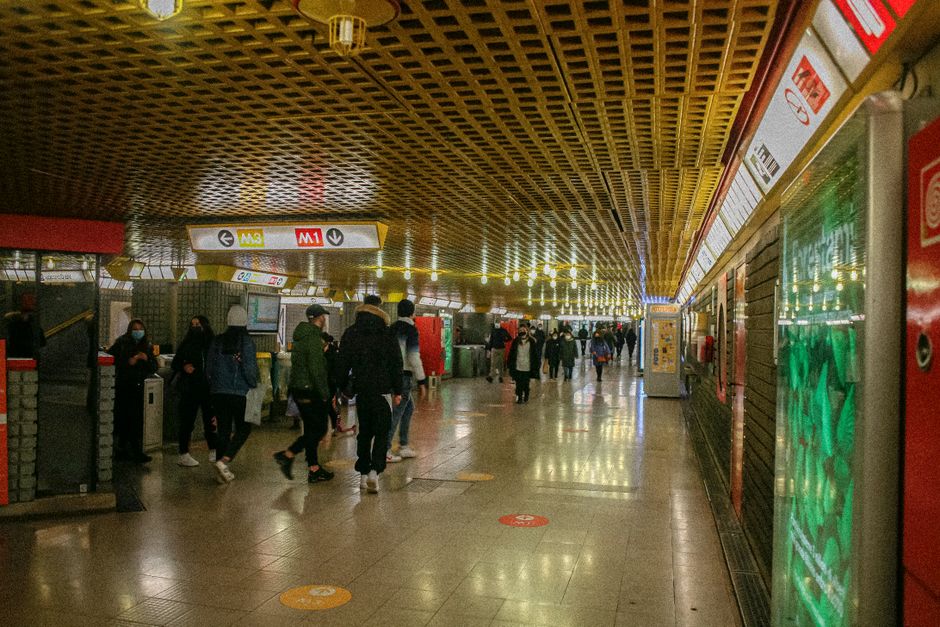
Budapest’s metro is fast, reliable and one of the oldest on the European continent — especially line M1 (the yellow line), which dates back to 1896. The four main lines are:
- M1 (Millennium Underground) — Yellow line: runs along Andrássy út between Vörösmarty tér and Városliget; ideal for reaching the Museum of Fine Arts and the City Park (Városliget). Typical hours: roughly 4:30–23:30, with 2–5 minute frequencies during the day. Iconic station: Vörösmarty tér (Vörösmarty tér, 1051 Budapest).
- M2 — Red line: crosses east-west, linking Deák Ferenc tér (Deák Ferenc tér, 1052 Budapest) to Keleti pályaudvar (Kerepesi út 2-4, 1087 Budapest). Similar hours, with 3–6 minute frequencies at peak times.
- M3 — Blue line: serves north-south Pest, connecting Újpest-Központ to Kőbánya-Kispest. Useful for reaching northern suburbs; Kőbánya-Kispest is a key bus interchange. Typical hours about 4:30–23:30, with 3–7 minute frequencies.
- M4 — Green line: links Keleti pályaudvar to Kelenföldi pályaudvar (Bocskai út 37-39, 1117 Budapest). Modern, with wide stations and elevators. Hours 4:30–23:30, frequency 3–6 minutes.
Ticketing and fares (approximate in euros): a single ticket used to cost about 350 HUF (~0.95 EUR); a pack of 10 tickets around 3000 HUF (~8.10 EUR); a 24-hour pass about 1650 HUF (~4.45 EUR); a 72-hour pass ~4150 HUF (~11.20 EUR); a 7-day pass ~4950 HUF (~13.35 EUR). Passes can be bought at station vending machines, BKK offices, or via the official BKK mobile app. Important: validate your ticket before boarding (yellow/grey validators in stations) — inspections are common and the fine for travelling without a validated ticket is around 8000 HUF (~21.50 EUR) or more depending on circumstances.
Practical tips: use Deák Ferenc tér (Deák Ferenc tér, 1052 Budapest) as the central interchange between M1, M2 and M3. Stations like Oktogon (Andrássy út, 1062 Budapest) and Blaha Lujza tér (Rákóczi út, 1088 Budapest) get crowded at peak times. M1 is perfect for a leisurely ride because of its historic station architecture; access can involve narrow stairs — allow extra time if you’re carrying large luggage. The metro runs seven days a week but some lines close slightly earlier at night; always check station displays and the BKK app for real-time updates.
Tram and bus: city views, essential lines, stop addresses and schedules
Trams in Budapest are more than transport — they’re scenic routes that map the city. Two lines stand out:
- Tram 2 — Runs along the Danube on the Pest side, offering fantastic views of the Hungarian Parliament (Kossuth Lajos tér 1-3, 1055 Budapest) and the Buda riverbank. Hours: generally 4:30–23:30, frequency 8–15 minutes depending on the time of day. Recommended stop: Kossuth Lajos tér (Parliament).
- Trams 4 and 6 — Run along the Nagykörút (Grand Boulevard) and are among the busiest. They operate around the clock on some sections (very frequent during the day: every 2–7 minutes). Useful stops: Baross tér (Baross utca, 1087 Budapest) and Blaha Lujza tér (Rákóczi út, 1088 Budapest).
Buses fill out the network to reach neighborhoods and hills: lines 5, 7, 8E, 9, 16, 105, 178, 240, 950 are examples useful for different routes. Surface buses mostly run from 4:30–23:30, while night buses (e.g. N1, N7, N24) cover the night network, often connecting where metro stations are closed for the night.
Key stop addresses: Clark Ádám tér (Clark Ádám tér, 1013 Budapest) for the funicular and Chain Bridge access; Széll Kálmán tér (Széll Kálmán tér, 1024 Budapest) for connections into Buda and buses to the hills; Budapest-Nyugati pályaudvar (Váci út 1-3, 1062 Budapest) for train/tram interchanges. Buy and validate tickets at station machines, BKK kiosks and on some buses (but on most buses you board at the front and show your ticket).
Local tips: for an uninterrupted urban view, take tram 2 in the late afternoon to catch golden light on the Parliament. Trams 4/6 are usually punctual but packed — avoid them between 7:30–9:00 and 16:00–18:30. For night travel, note the illuminated N-xx stops and remember regular tickets are valid — validate them as usual. For longer inner-city journeys, express buses (marked E) and metro+tram combos are often faster and cheaper than a taxi.
HÉV — Suburban trains: lines, destinations (Szentendre) and day-trip ideas
The HÉV (Helyiérdekű Vasút) links Budapest with several neighboring towns and suburbs, offering a different travel experience from the metro or tram: more open carriages, small station stops and suburban scenery. The best-known line for visitors is:
- Line H5 — Budapest–Szentendre: main departure at Batthyány tér HÉV (Batthyány tér, 1011 Budapest) and terminus at Szentendre vasútállomás (Szentendre, Vasút utca 10, 2000 Szentendre). Journey time: about 40–45 minutes. Hours: roughly 4:30–23:30, with 15–30 minute frequencies depending on the period. Ideal for a half-day trip to Szentendre’s charming old town, museums and galleries.
Other HÉV lines connect to Gödöllő, Csepel and Ráckeve (identified as H6, H7, H8/H9 depending on the sector) and let you reach suburban areas and parks. Departure points in Budapest include Batthyány tér and Örs vezér tere (for some northeastern connections).
Fares: HÉV tickets can sometimes be priced differently depending on zones; an inner-city HÉV trip can correspond to a city ticket (~0.95 EUR) while journeys outside the city limits may require a special HÉV ticket or supplement (variable—expect an extra 1–3 EUR depending on distance). Buy tickets at the HÉV kiosk in the station or validate with your Budapest pass if it covers the zone (check the coverage area). Checks are frequent; travelling without a valid ticket = fine (≈8000 HUF ~21.50 EUR minimum).
Excursion tips: in Szentendre, get off at the main station (Vasút utca 10) and walk to the historic center (Fő tér) for winding streets, craft shops and museums. For Gödöllő, the HÉV station gives access to Gödöllő Palace (Saint-István utca 1, 2100 Gödöllő) — a must for history buffs. Carry a paper map or an offline app: mobile signal can be limited outside central Budapest.
Practical tips, safety, ticket purchases and local lingo
Knowing key terms and good practices will make getting around much smoother. Here’s a practical rundown:
- Buying & validating: buy tickets from vending machines (station corners), BKK/Vonal kiosks, or via the BKK app. Always validate before boarding: yellow/grey machines in stations and validators on trams/buses/HÉV.
- Checks & fines: inspections are frequent; the fine for not having a validated ticket is about 8000 HUF (~21.50 EUR) — payable on the spot by card or cash, and higher if contested.
- Hours & frequency: metro typically 4:30–23:30, trams 4:30–23:30 (some lines 24/7 or with parallel night services), buses vary by route (night = N-prefix). Check live info via the BKK FUTÁR app or Google Maps.
- Safety: Budapest is generally safe; watch out for pickpockets in touristy areas and on crowded vehicles (metro, tram 4/6). Keep an eye on your belongings and avoid deserted stations at night.
- Accessibility: new M4 stations are well equipped (elevators, ramps). Older M1 stations often have narrow stairs; plan for assistance with strollers or heavy luggage.
Finally, match your ticket to your needs: for a short stay, a pack of 10 tickets or a 24-hour pass is usually the most economical. For longer stays, 72-hour or 7-day passes offer flexibility and simplicity. Small savings add up if you combine sightseeing with excursions (HÉV to Szentendre may be included depending on your pass’s zones).
Conclusion — Master the network to make the most of Budapest
Getting around Budapest by metro, tram, bus and HÉV is both practical and pleasurable once you know the rules: buy and validate tickets, avoid rush hours, and use key interchange points like Deák Ferenc tér, Keleti, Nyugati and Kelenföld. You can turn ordinary transfers into discovery moments — tram 2 along the Danube, the nostalgia of M1, or a getaway on the HÉV to Szentendre are all experiences that enrich your trip.
This guide has provided concrete information: precise addresses (Kelenföldi pályaudvar — Bocskai út 37-39; Keleti pályaudvar — Kerepesi út 2-4; Nyugati pályaudvar — Váci út 1-3; Deák Ferenc tér — Deák Ferenc tér, 1052 Budapest), general hours (metros typically 4:30–23:30), approximate prices in euros (single ticket ≈0.95 EUR, 24-hour pass ≈4.45 EUR, 72-hour pass ≈11.20 EUR) and tips to avoid surprises (mandatory validation, fine ≈21–22 EUR). Combined with the BKK app and a paper map as backup, you’ll be ready to travel efficiently, save time, and explore Budapest with ease.
Safe travels and enjoy the city: whether you admire the Parliament’s architecture, savor a goulash after a day of walking or climb Buda’s hills, Budapest’s public transport will reliably take you to each experience. Don’t forget to check for temporary schedule updates (works, special events) before you head out — and most importantly, enjoy the journey.