





Introduction — Offbeat Walks in Budapest: Alternative Ruin Bars and Street Art
Budapest is often called the « Pearl of the Danube, » but for the curious traveler the city’s real treasures hide in the urban cracks: secret courtyards turned into bars, walls covered in bold, politically charged murals, and former industrial sites reinvented as studios, galleries and cultural hubs. This guide aims to take you off the classic tourist track (Buda Castle, Parliament, Széchenyi Baths) to explore Budapest’s underground soul — its iconic ruin bars, vibrant street art corners, artist-run wastelands and walking routes designed for immersive discovery.
The approach here is practical and detail-oriented: for each spot I give the full name, exact address, typical opening hours, prices in euros (where relevant) and immersive descriptions so you know what to expect. I also include local tips — how to get your bearings, when to visit to avoid the crowds, what to order, and how to respect alternative spaces so they can keep thriving. Budapest has a generation of urban creators transforming abandoned buildings into micro-worlds: mismatched furniture, climbing plants, reclaimed objects, impromptu concerts and murals fed by a mix of Hungarian tradition and contemporary innovation.
This guide is for solo strollers and groups alike: couples who love a bohemian vibe, photographers hunting original angles, or friend groups after lively, unpretentious nights out. You’ll find daytime routes (urban walks to painted walls and inner courtyards) and evening suggestions (ruin bars, pop-up gigs, open mic nights). Prices are shown in euros to help planning: always allow a little extra for drinks and small local surprises. Opening hours are typical; remember they can vary with seasons, private events and public holidays.
Finally, Budapest’s alternative culture is respectful: people photograph, converse, spend locally, and leave spaces in better shape than they found them. If you want a Budapest that’s alive, charismatic and unapologetically creative, set off on these walks — they’ll show you the city as a living map of stories, art and community invention.
1) Must-See Ruin Bars: Szimpla Kert, Instant-Fogas and Neighbors
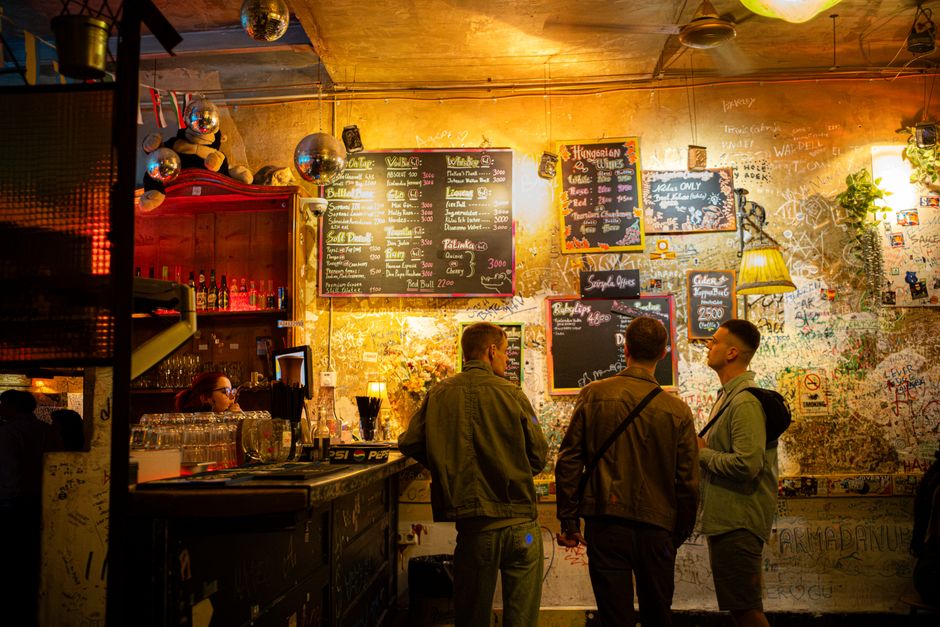
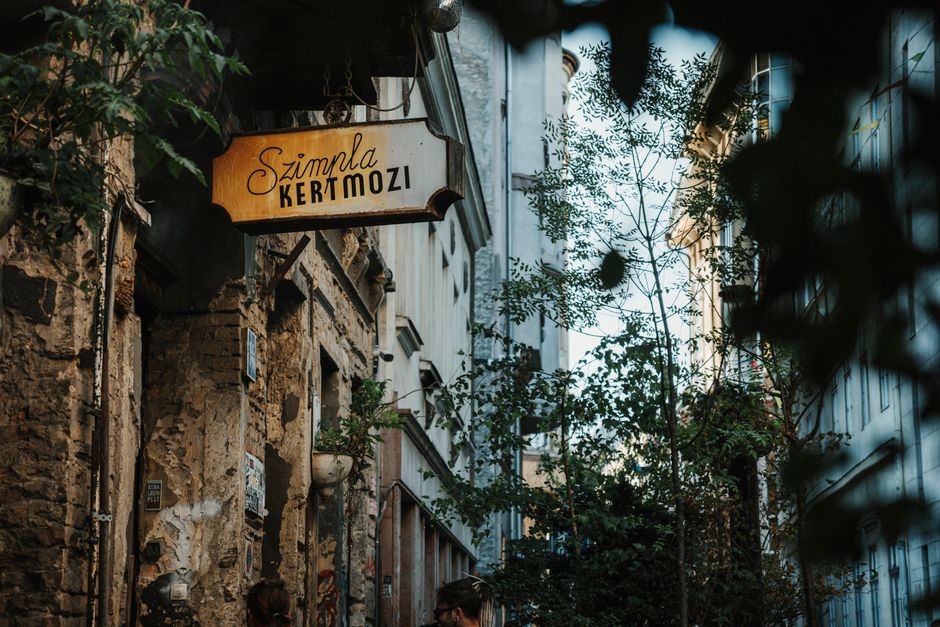
Ruin bars (romkocsma in Hungarian) were born in Budapest in the early 2000s: run-down buildings in the Jewish Quarter (District VII) turned into bars, restaurants and cultural spaces. The most iconic is Szimpla Kert — a maze-like spot that feels like a giant dollhouse for adults, full of recycled objects, hammocks, palm trees and live music corners. Full name: Szimpla Kert • Szimpla Kert Ruin Pub, located at 1075 Budapest, Kazinczy utca 14. Typical hours: open daily 10:00–02:00 (Fridays and Saturdays sometimes until 04:00). Entry: usually free, though some private events may charge €3.00–€8.00. Drinks: beers €3.00–€6.00, cocktails €6.00–€10.00.
Instant-Fogas Complex (official name Instant-Fogas • Multi-Club Complex) emerged from the merger of two large venues: Instant and Fogas Ház. Address: 1073 Budapest, Akácfa utca 51. Hours: generally open 21:00–06:00 (longer hours Thu–Sun). Entry: varies by night; around €5.00–€12.00 on weekends. Vibe: sprawling themed rooms, electronic music, impromptu stages, visual art and changing atmospheres from one room to the next.
Nearby, don’t miss Instant & Fogas Csendes Társ (the quieter café-bar) in the same area, and Kőleves Kert (full name Kőleves Kert • Kőleves Restaurant Garden) at Klauzál tér 9, 1072 Budapest, an open-air cellar garden restaurant. Kőleves Kert: open 11:00–23:00 (Fridays and Saturdays 11:00–01:00), mains €6.00–€16.00, drinks €2.50–€8.00.
Practical tips: arrive early on weekend nights to avoid queues, bring cash in euros (or pay by card) and respect the spaces — ruin bars are often run by small local teams. Ruins aren’t just for drinking: many host Sunday maker markets, film screenings and workshops. Be mindful of noise on the small streets of District VII at night; if you’re staying in the center, ask for a room facing an inner courtyard.
2) Street Art Routes: Walks for Murals and Little Outdoor Galleries
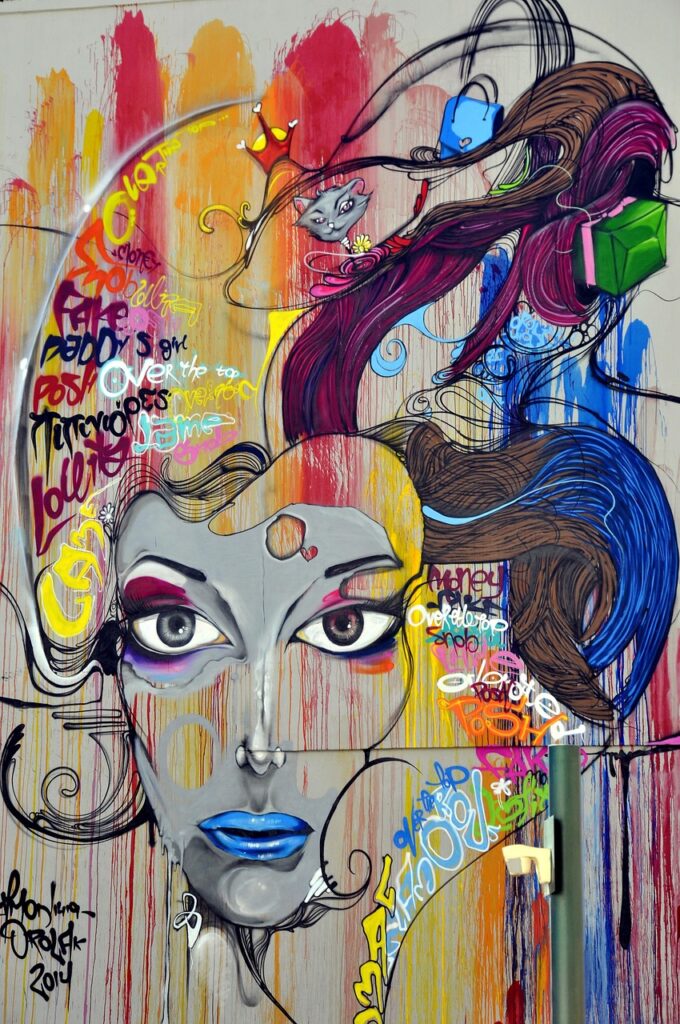
Street art in Budapest isn’t confined to a single spot: it appears in waves across Districts VII (Erzsébetváros), VIII (Józsefváros) and IX (Ferencváros). A recommended walking route starts at Kazinczy utca and continues to Dob utca, Wesselényi utca and Király utca, then heads down toward Kálvin tér and the right bank of the Danube toward Ferencváros. This path mixes large-scale murals, sticker art and small outdoor galleries that change frequently.
Starting point: Kazinczy utca / Szimpla Kert (1075 Budapest, Kazinczy utca 14) — look around the street for painted walls and installations. A well-known nearby wall is the « Budapest Memento » mural on Dob utca 16 — an ever-changing piece by local collectives. From there, follow Király utca toward Gozsdu Udvar (Gozsdu Courtyard, 1075 Budapest, Gozsdu Udvar): the inner passageways often hide temporary works. Continue toward Ráday utca and Ferencváros where the « Corvin Promenade » wall (Corvin Quarter, 1082 Budapest, Corvin köz) presents contemporary interventions.
Guided « Budapest Street Art Tours » (local operators) charge between €15.00 and €25.00 per person for a 2–3 hour tour. These walks explain techniques, collectives (e.g. « Mina Keleti », « Urban Heroes Budapest »), and the history of Hungarian street art after 1989. If you prefer to explore on your own, allow 2–4 hours for the route above.
Photo and behavior tips: respect the artworks — don’t paint over them, don’t leave trash, and ask permission for professional portraits. Best light is early morning (07:00–10:00) and late afternoon (16:00–20:00). For supposedly permanent collections, check their condition: some walls are regularly renovated or erased to make way for new pieces.
3) Wastelands & Studios: Art Quarter, Csepel Island and Memento Park
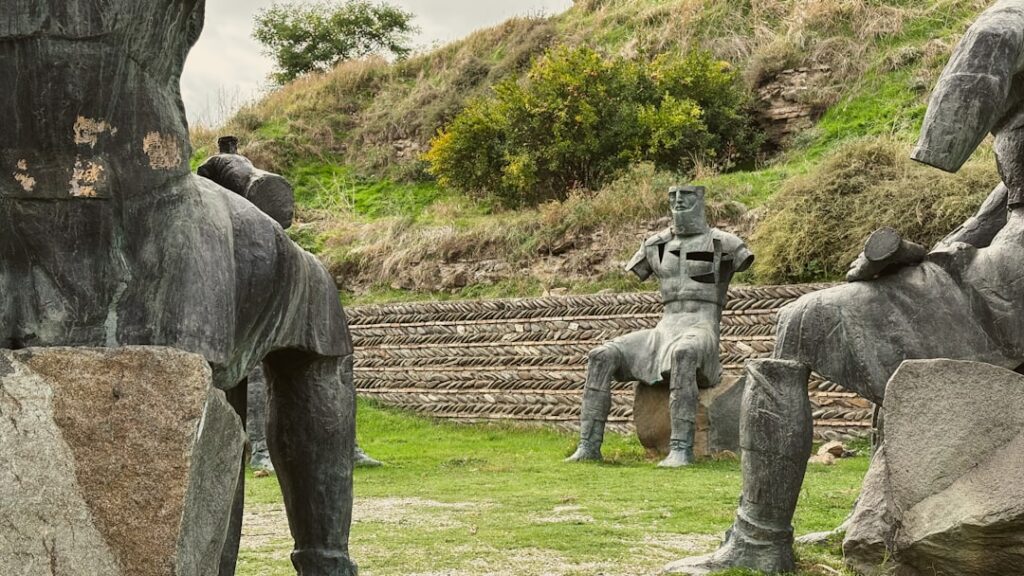
Beyond alleyways and courtyards, Budapest has larger spaces where art and ruins coexist. One instructive site is Memento Park (Spomenik Park / Memento Park Museum), the open-air museum dedicated to statues from the communist era that were removed after 1989. Address: Memento Park • Budapest, Balatoni út 207, 1223 Budapest. Hours: generally open 10:00–18:00 (mid-April to late October) and 10:00–16:00 in low season; closed on some public holidays — check before you go. Entrance fee: about €6.00 for an adult (indicative), with student and senior discounts (around €3.00). The site offers an English guided tour for about €2.00 extra.
For a more contemporary experience, head to Csepel Island (Csepel-sziget) and the industrial wastelands reworked into studios and event spaces. The island hosts artists’ workshops, revamped quays and summer festivals. Notable incubator area: Csepel Művek area, 1214 Budapest, Csepel-sziget — access varies by event, so check local event pages. Event entry: often free or around €5.00 depending on the program.
Another neighborhood in flux is the Art Quarter Budapest, built around the former industrial zone of Józsefváros where independent galleries sit next to cultural cafés. Look for addresses around 1085 Budapest, Práter utca and Múzeum körút. Galleries often open during « Open Studio » events or local late-night art nights with performances and pop-up exhibitions.
Visiting tips: buy a combined ticket if available for Memento Park and another historical tour. Wear comfortable shoes — these spaces are often gravel or uneven concrete. Wastelands are living ecosystems: check collectives’ Facebook or Instagram pages (search keywords: « Art Quarter Budapest », « Csepel artists »). Safety: avoid isolated areas at night and stay on marked paths when exploring abandoned factories.
4) Themed Walks: Markets, Screenprinting Workshops and Alternative Evenings
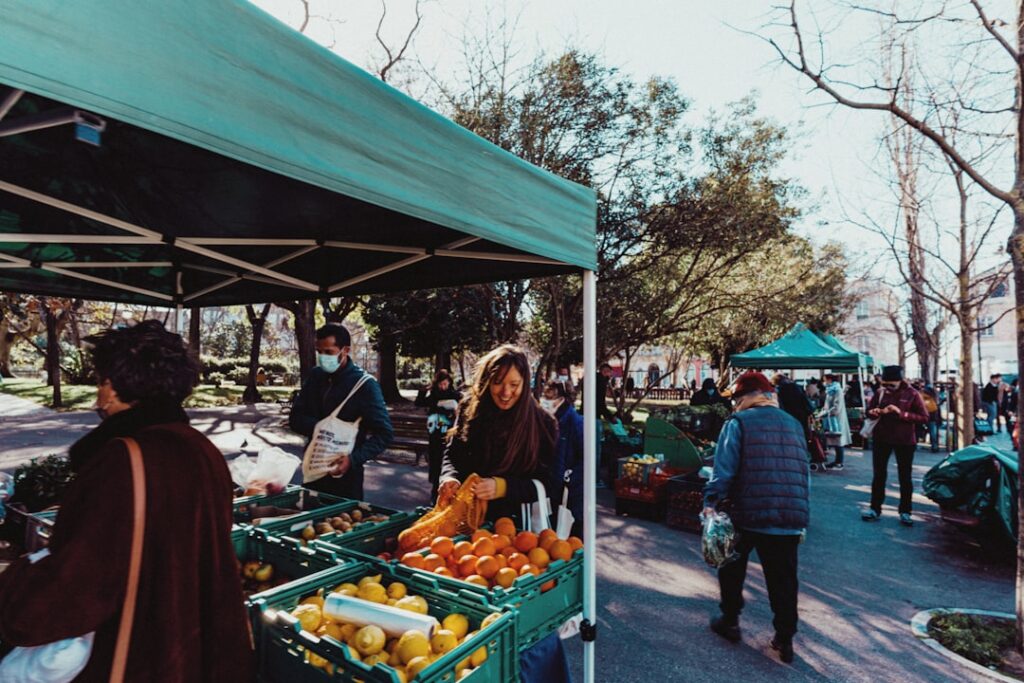
Ruin culture and street art weave together with creative markets and workshops where you can leave with a locally made keepsake. The artisan market « Szimpla Farmers’ Market » takes place at Szimpla Kert on Sunday mornings. Address: Szimpla Kert • Kazinczy utca 14, 1075 Budapest. Hours: usually 09:00–14:00 on Sundays. Free entry. You’ll find local produce, Hungarian pastries, ceramics and handmade bracelets — ideal for a local-style breakfast.
For hands-on art lovers, several Budapest studios offer screenprinting sessions, supervised legal graffiti, and collage workshops. Example: « Kolorlab Screen Printing » (a print workshop) located approximately at 1088 Budapest, Rákóczi út 35 (check the exact address online before visiting). Prices: intro sessions €20.00–€35.00 per person for 2–3 hours including materials. Another option is « Urban Artist Workshop » (street art workshops) offering guided outings and practical sessions for about €25.00–€40.00 depending on duration.
At night, Budapest hosts alternative events mixing live music, poetry and outdoor screenings. Kuplung (Kuplung Klub) at 1072 Budapest, Holló utca 8 stages indie gigs and DJ nights. Hours: typically open 18:00–02:00; entry €3.00–€8.00 depending on the program. For something more experimental, check the program at Trafó House of Contemporary Arts (Trafó Kortárs Művészetek Háza) at 1094 Budapest, Liliom utca 41 — a contemporary arts center that presents experimental music and interdisciplinary performances. Tickets: €8.00–€20.00 depending on the show.
Local tips: book workshops in advance, especially in summer. For markets, arrive early to get the best pieces and beat the heat. When joining a street art workshop, wear clothes you don’t mind staining and ask if materials are provided. A good combo is a market visit in the morning, a workshop in the afternoon and an evening in a ruin bar to get a full picture of the alternative scene.
Conclusion — Immerse Sustainably in Budapest’s Underground
Budapest offers a rich palette for those who want to explore cultural margins: ruin bars where you sip a craft beer under a reclaimed chandelier, painted walls that tell social stories, and industrial wastelands turned into hubs of innovation. This guide has given you exact addresses (Szimpla Kert • Kazinczy utca 14, 1075 Budapest; Instant-Fogas • Akácfa utca 51, 1073 Budapest; Memento Park • Balatoni út 207, 1223 Budapest; Kőleves Kert • Klauzál tér 9, 1072 Budapest; Gozsdu Udvar • 1075 Budapest), typical hours and prices in euros to help you plan your walks.
To get the most from these discoveries, adopt a slow pace: walk, step into inner courtyards, talk to owners and artists, support small outfits by buying a drink, an artisan product or joining a workshop. Respecting these alternative spaces also means being mindful of the local community — don’t tag over someone’s piece without permission, pick up your litter, and follow each venue’s rules.
Finally, keep in mind that alternative urban culture is living and evolving: a mural may vanish, a bar may change hands, a wasteland may be redeveloped. Embrace the ephemeral nature of these finds as part of the charm. Take your memories, your photos and above all your curiosity; Budapest will reward you with creativity, a festive spirit and a knack for turning the old into the new. Happy wandering — let Budapest surprise you with its alternative ruins and street art, a city that tells its story on every corner.