





Introduction: Hungarian history and art in Budapest — why these collections matter
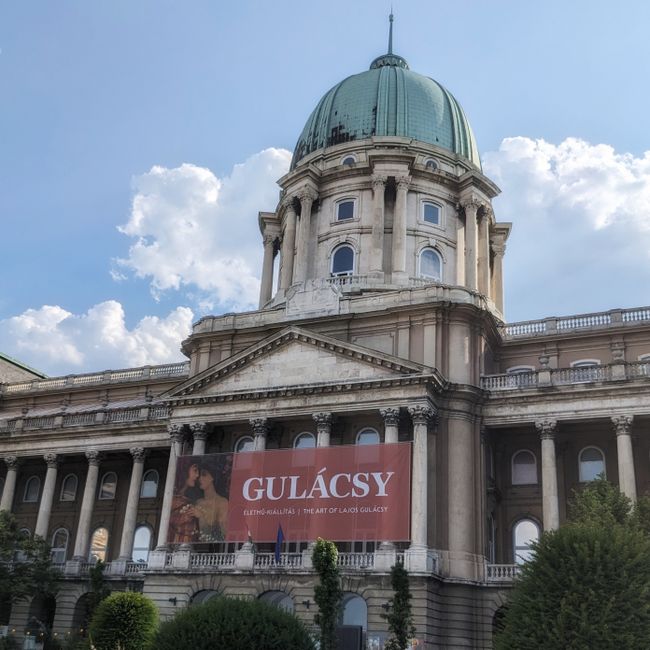
Budapest is a city where history and art meet on every corner: from the neoclassical façades of Andrássy út to the stately rooms of Buda Castle, the Hungarian capital concentrates collections that tell the cultural story of a nation at the crossroads of Central Europe. This guide focuses on the museums and art institutions you shouldn’t miss if you want to understand Hungary through its objects, paintings, applied arts and modern narratives. It’s written for curious first‑time visitors as well as seasoned travelers seeking hidden gems, practical tips and precise information to plan visits.
We’ll cover major venues — the Magyar Nemzeti Múzeum (Hungarian National Museum), the Magyar Nemzeti Galéria (Hungarian National Gallery), the Szépművészeti Múzeum (Museum of Fine Arts), the Magyar Iparművészeti Múzeum (Museum of Applied Arts), the Ludwig Museum and the Museum of Fine Arts — giving exact addresses, opening hours, ticket prices in euros, immersive descriptions of the collections and local tips to get the most out of each visit. You’ll also find practical pointers such as the best times to visit, combined‑ticket options, photo and cloakroom rules, plus a few itineraries to link the museums easily.
This guide adopts both a historical and aesthetic approach: it places works in context (periodization, Ottoman influences, Baroque, classicism, national romanticism, 20th‑century avant‑gardes) and gives keys to spot signature pieces — medieval swords, icons of Hungarian romanticism, Art Nouveau sculptures, ceramics and folk textiles, and Flemish and Italian paintings found in Hungarian collections. Finally, local tips (where to eat near a museum, how to avoid crowds, which temporary shows deserve booking) will help turn a simple visit into a memorable experience.
Magyar Nemzeti Múzeum and national history: the founding story
The Magyar Nemzeti Múzeum (Hungarian National Museum) is the backbone of national history. Address: Magyar Nemzeti Múzeum, Múzeum körút 14-16, 1088 Budapest. Opening hours: Tuesday to Sunday 10:00–18:00 (closed Monday). Entrance fees: standard €8.00; reduced (students, seniors) €4.00; free for children under 6. These prices are given in euros and may vary seasonally; online ticketing is recommended for temporary exhibitions.
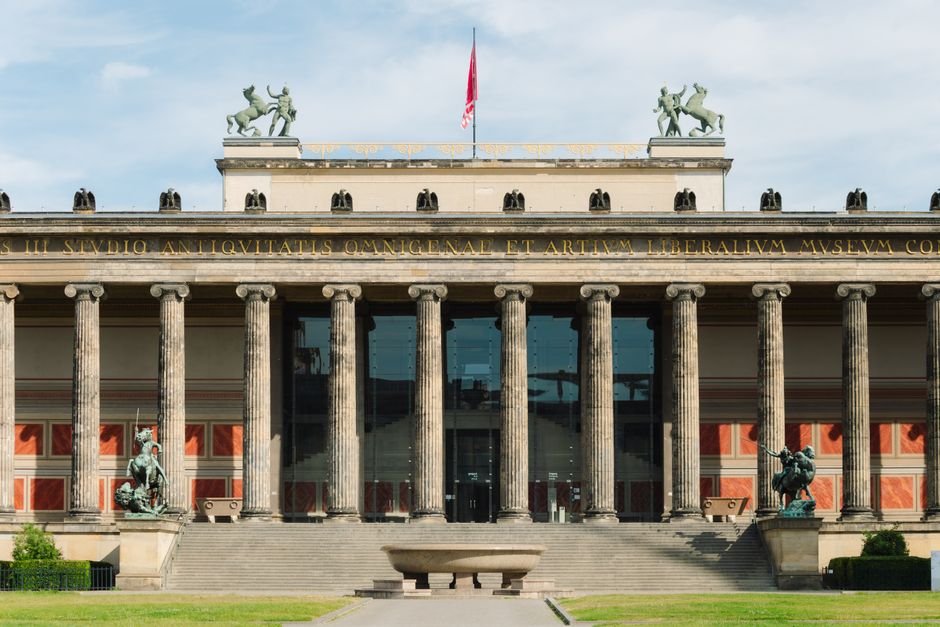
The building itself, inaugurated in the mid‑19th century, is a historic monument: a neoclassical façade, a monumental central staircase and exhibition rooms presenting archaeology, numismatics, ethnography and modern Hungarian history. Highlights include medieval sarcophagi, necklaces from the era of the Magyar conquerors, and key documents tied to the 1848 Revolution. The galleries devoted to the Austro‑Hungarian period make palpable the complexity of relations between imperialism and national identities.
Practical tips: allow at least 2–3 hours for a full visit (4 hours if you read the English panels and explore temporary displays). The museum shop sells reproductions and specialist publications in English; the museum café is a good spot for a break after touring. Access: Metro M3 (blue line) to Kálvin tér or Astoria (M2 line) for a short walk. Non‑commercial photography without flash is allowed in most rooms, but check the signs and ask at reception for sensitive archaeological objects.
Magyar Nemzeti Galéria and Buda Castle: a panorama of Hungarian art
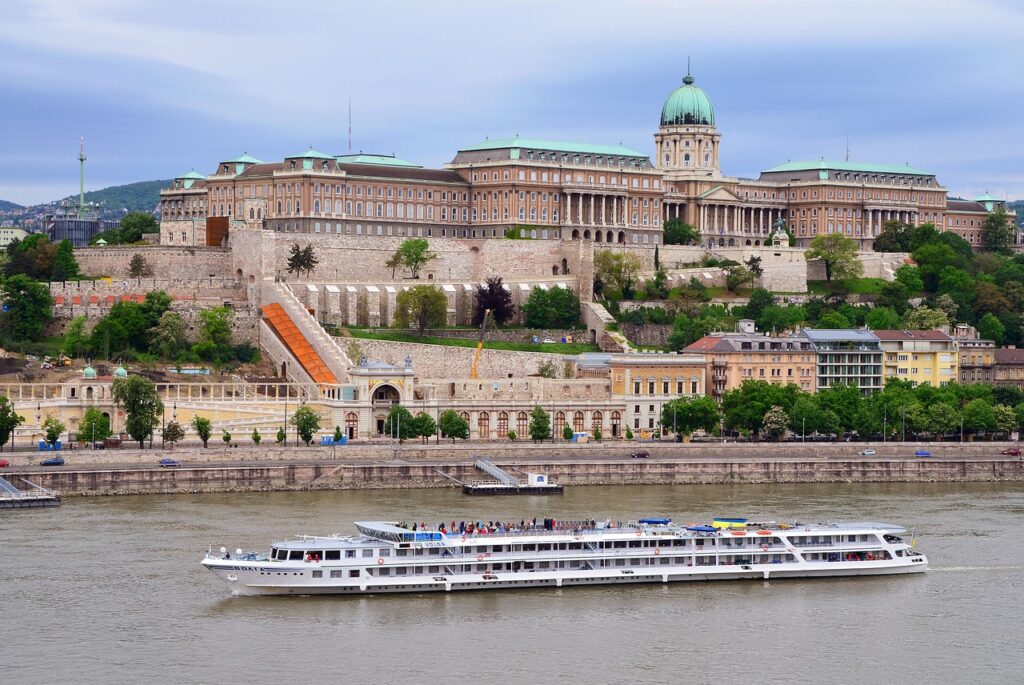
Located within the Buda Castle complex, the Magyar Nemzeti Galéria (Hungarian National Gallery) is the reference point for Hungarian art from the Middle Ages to the present day. Address: Magyar Nemzeti Galéria, Szent György tér 2, 1014 Budapest (Buda Castle complex). Opening hours: Tuesday to Sunday 10:00–18:00; closed Monday. Tickets: standard €9.00; reduced €5.00; combined ticket with Budapest History Museum €14.00 (indicative prices). Access to the castle can be on foot through Buda’s lanes or via the Castle Funicular (Sikló) from Clark Ádám tér for a scenic approach.
The gallery showcases the giants of Hungarian painting — Mihály Munkácsy, Pál Szinyei Merse, László Paál — along with sculpture, drawings and religious objects. The medieval and Baroque rooms are especially well presented: altarpieces, polychrome sculptures and workshop pieces that testify to artistic exchanges between Hungary and Italy or Germany. The modern sections trace the rupture and search for national identity from the 19th century up to the avant‑gardes and contemporary art. Temporary spaces host thematic shows often produced in international partnership.
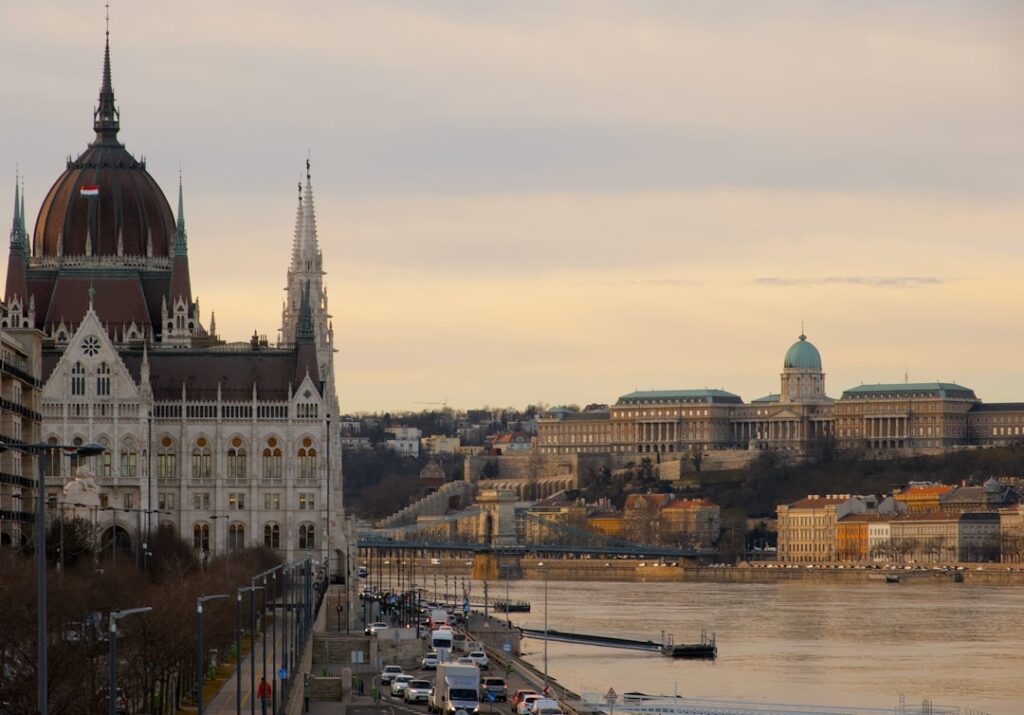
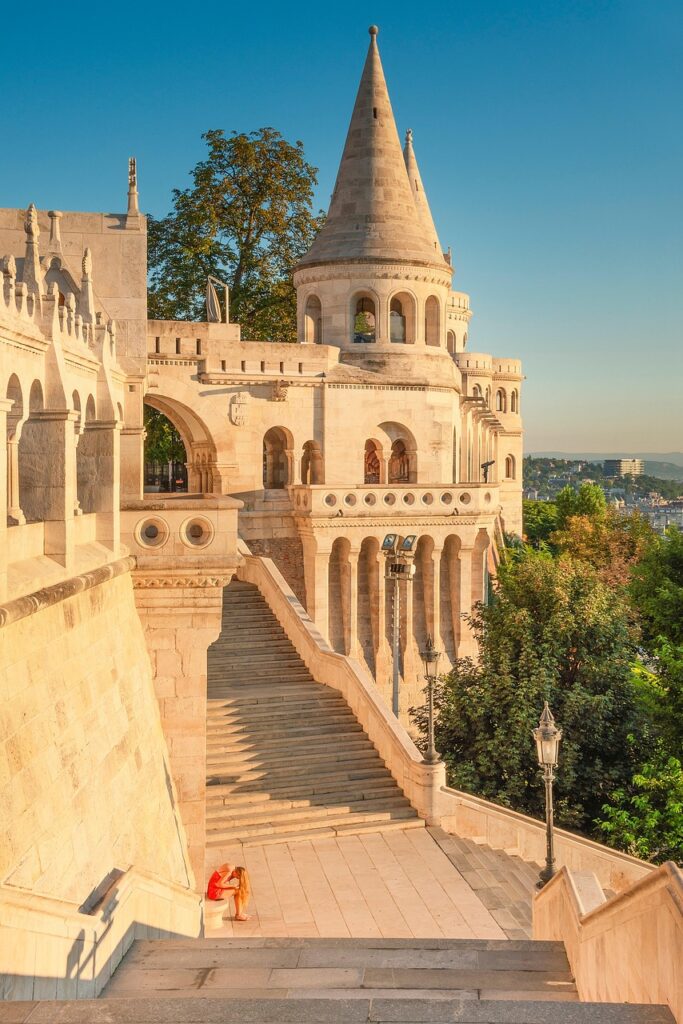
Local tips: arrive early (or late afternoon) to avoid the group tours that tend to gather in the castle center between 11:00 and 15:00. The views from the castle terrace over the Danube and the Parliament are photo opportunities in themselves — plan a moment for the panorama. If you care about architecture, check the rear palace for its arches and inner courtyards. The gallery has paid cloakrooms for large bags and a small café with light options.
Szépművészeti Múzeum, Ludwig Museum and Iparművészeti: fine arts, contemporary and applied arts
Budapest offers a museum triangle for lovers of aesthetics: the Szépművészeti Múzeum (Museum of Fine Arts), the Ludwig Museum – Museum of Contemporary Art, and the Magyar Iparművészeti Múzeum (Museum of Applied Arts). Addresses and practical info:
- Szépművészeti Múzeum — Dózsa György út 41, 1146 Budapest. Opening hours: Tuesday to Sunday 10:00–18:00 (closed Monday). Price: €12.00 standard; €6.00 reduced.
- Ludwig Museum – Museum of Contemporary Art — Komor Marcell u. 1, 1095 Budapest (Palace of Arts, Müpa). Opening hours: Wednesday to Sunday 11:00–19:00; closed Monday and Tuesday. Price: €10.00 standard; €5.00 reduced. Some temporary exhibitions require reservation and higher fees.
- Magyar Iparművészeti Múzeum — Üllői út 33-37, 1091 Budapest. Opening hours: Tuesday to Sunday 10:00–18:00. Price: €7.00 standard; €3.50 reduced.
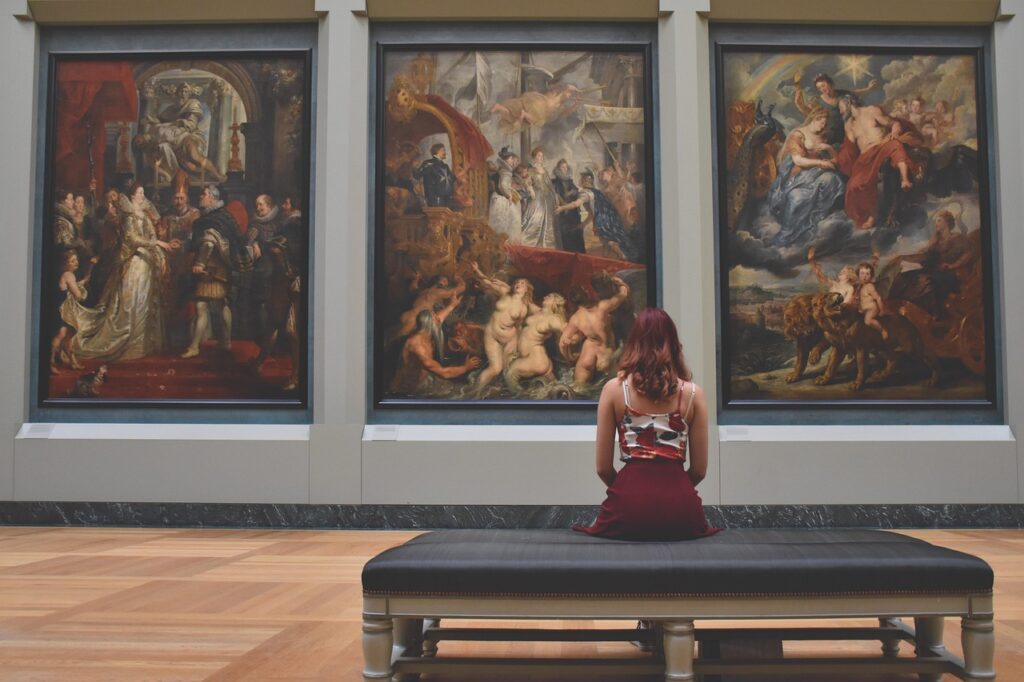
The Szépművészeti is renowned for its European collection — Flemish, Italian, Spanish masters — complemented by rooms dedicated to Hungarian art. Here you’ll appreciate clear wall texts and high‑quality displays, often set up chronologically. The Ludwig, located in the MÜPA cultural quarter, presents Hungarian and international contemporary art: installations, video works, conceptual pieces. It’s frequently the venue for cutting‑edge shows focused on post‑1960s scenes. The Museum of Applied Arts is an Art Nouveau gem: the ceramic façade and main hall deserve as much attention as the textiles, furniture and glass collections, which give a precise sense of Hungarian design through the centuries.
Practical tips: pair the Szépművészeti with a stroll along Heroes’ Square and City Park (Városliget). Buy Ludwig tickets online on days with international exhibitions (avoid weekends for large installations). The Museum of Applied Arts tends to be quieter; it’s an ideal spot for a peaceful visit and architectural photos. All three museums offer English audioguides and scheduled guided tours; check official websites for evening slots or special late openings.
Practical tips, combined tickets and recommended routes
Planning: most museums are open Tuesday to Sunday, 10:00–18:00, but some institutions like the Ludwig have different schedules (or close on Mondays). To make the most of your stay, consider the Budapest Card (tourist cards vary by duration) which sometimes includes discounts or free entry to certain museums and public transport. Otherwise, buy tickets online to secure a time slot — especially for the Magyar Nemzeti Galéria and international shows at the Ludwig.
Tickets and prices: the prices listed above are in euros and should be confirmed on official sites before you travel. Several museums offer combined tickets (for example National Gallery + Budapest History Museum) to save roughly 10–20% compared with separate purchases. Museums generally offer discounts for students with a valid card, seniors, groups and free admission for very young children.
Practical itineraries:
– Day 1 (Pest): start at the Magyar Nemzeti Múzeum (Múzeum körút 14-16), then stroll up Andrássy Avenue to the Szépművészeti Múzeum (Dózsa György út 41) and Heroes’ Square. Lunch break at Café Gundel (Állatkerti krt. 2, 1146 Budapest) for a classic Hungarian dining experience.
– Day 2 (Historic Buda): take the funicular from Clark Ádám tér up to Buda Castle, visit the Magyar Nemzeti Galéria (Szent György tér 2) and the Budapest History Museum; finish the day on the castle terrace to watch the sunset over the Danube.
– Day 3 (Contemporary & design): begin at the Ludwig Museum (Komor Marcell u. 1) in the MÜPA quarter, then head to the Museum of Applied Arts (Üllői út 33-37).
Additional local tips: wear comfortable shoes (lots of cobbles and stairs in Buda), check whether a temporary show requires timed entry, carry some euros for small purchases but pay by card where possible (most museums accept cards). Finally, learn a few basic Hungarian phrases (hello = Jó napot, thank you = Köszönöm): it opens smiles and sometimes leads to pleasant conversations with staff or guides.
Conclusion: planning your discovery — highlights and quiet visits
Exploring Budapest for its history and art is an experience that builds up day by day: each museum adds a piece to the national puzzle. From the Magyar Nemzeti Múzeum that tells the historical and political origins, to the Magyar Nemzeti Galéria that traces the evolution of national painting, and on to the Szépművészeti, the Ludwig and the Museum of Applied Arts that explore European and contemporary richness — these institutions offer a full reading of Hungarian identity. To get the most from your visits, combine preparation (online tickets, checking opening hours and temporary exhibitions) with curiosity: ask curators questions, join English guided tours and leave time to simply look at a work without an agenda.
Plan ahead but also keep half‑days free for the unexpected: a striking temporary exhibition, a small concert in a museum auditorium, or a traditional craft workshop at the Museum of Applied Arts. And don’t forget the peripheral experiences: historic cafés (e.g. Gerbeaud, Vörösmarty tér 7-8), walks along the Danube, and food markets like the Great Market Hall (Nagyvásárcsarnok, Vámház krt. 1-3, 1093 Budapest) to taste local flavors after a morning of cultural immersion. With this guide you have addresses, opening times, prices and key tips to organize a dense and balanced cultural stay in Budapest — a city where art and history are experienced both with the eyes and with a sense of discovery.