





Introduction: Cultural and museum passes in Budapest — an overview and what travelers should know
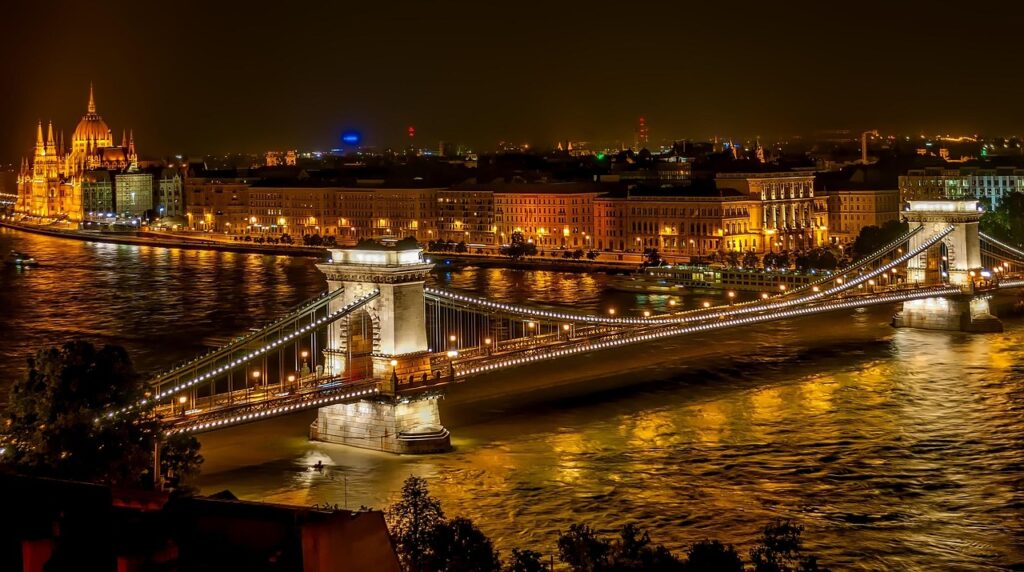
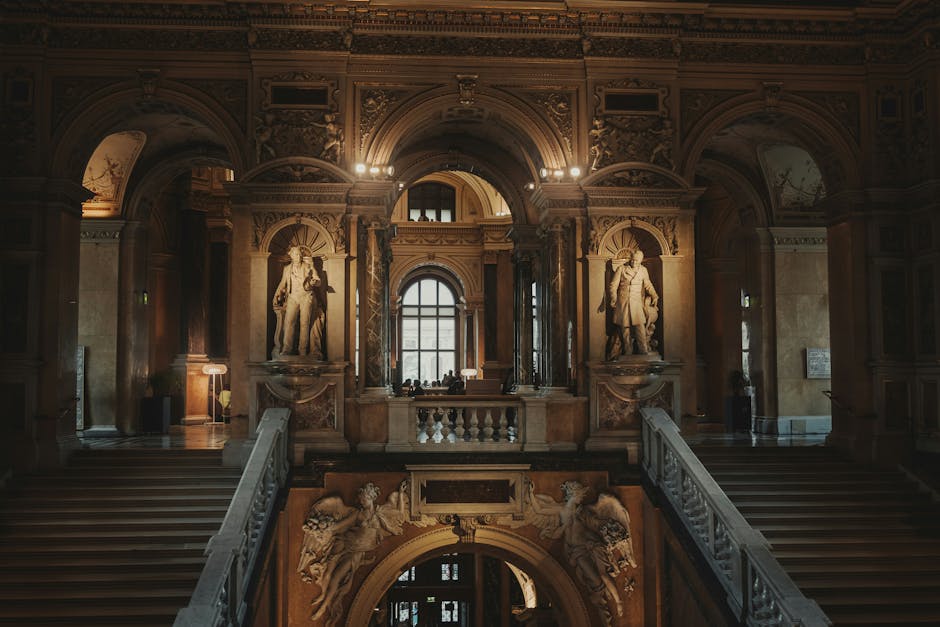
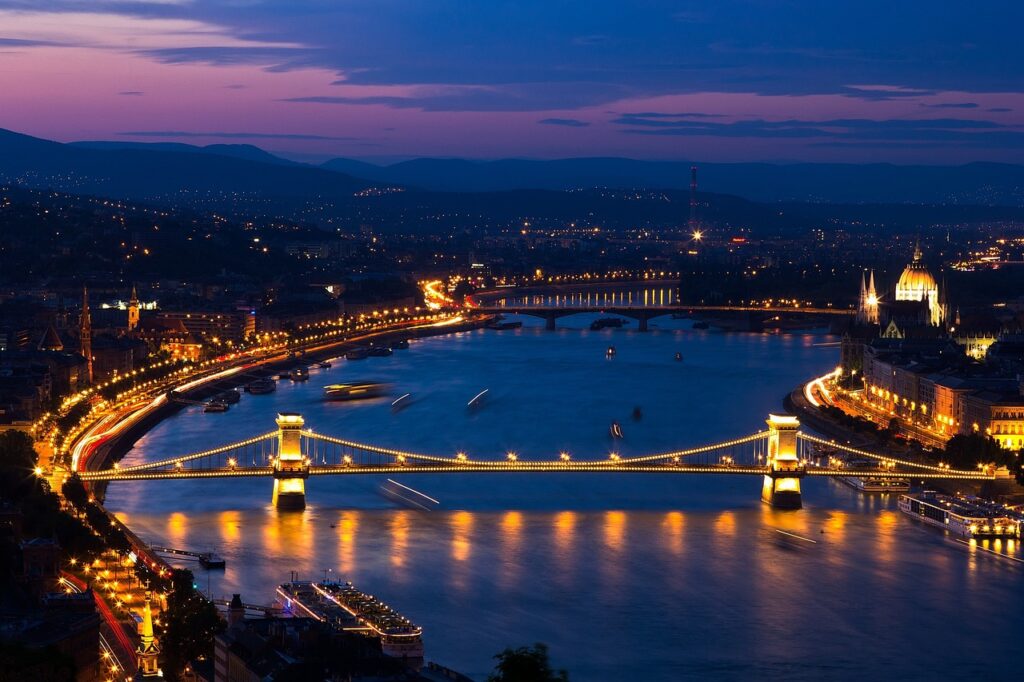
Budapest is an open-air museum where every neighborhood tells a story — from the 19th-century splendor along Andrássy Avenue to the ramparts and palaces of Buda Castle, and the Jewish architecture of the 7th district. For travelers who want to grasp Hungary’s history, art and culture without wasting hours in multiple queues, culture passes are an attractive option. But what do they actually cover? Which museums are included, what extra services or perks do they promise, and when is it cheaper to buy single tickets instead? This guide gives practical answers, with addresses, usual opening hours and indicative prices in euros so you can easily compare.
To set the stage: there are mainly two families of products useful to cultural visitors in Budapest. First, general « tourist » passes (for example the Budapest Card) that offer unlimited public transport, discounts at some museums, thermal baths, restaurants and guided tours. Second, museum-only passes (often called Museum Pass or Museum Card) that grant access to a defined set of cultural institutions for a limited time — ideal for museum lovers who want to hop between collections without paying for each entrance.
Be warned: conditions vary widely. Some passes include standard entry to major institutions like the Magyar Nemzeti Múzeum (Hungarian National Museum) or the Szépművészeti Múzeum (Museum of Fine Arts), but not the special temporary exhibitions that often charge a supplement. Other passes only offer discounts (for example 10–30%) rather than full access. This guide reviews must-see sites — Magyar Nemzeti Múzeum, Magyar Nemzeti Galéria (Hungarian National Gallery), Szépművészeti Múzeum, Terror Háza (House of Terror), the Jewish Museum in Dohány Street — with exact addresses, indicative prices in euros and typical opening hours. It also gives local tips: when to visit to avoid crowds, which priority-entry lines are worth paying for, and how to combine museums with a thermal bath for a balanced “Hungarian” day.
Finally, remember that ticket prices and opening hours change — always check official sites before you go. Prices in this article are shown in euros (€) as a guideline for quick comparison. The rest of the article digs into what different passes really cover, explains how Hungarian museums price admission, and offers practical strategies to make the most of your time in Budapest.
Which cultural passes exist in Budapest and what they actually include
You’ll most commonly encounter three categories of passes in Budapest: the Budapest Card, Museum Passes (locally sold museum cards) and temporary or tourist packages sold by private operators. Each type has strengths and limits you should know before buying.
The Budapest Card is the best-known general pass. It’s sold by duration: 24, 48, 72, 96 or 120 hours. In 2024, approximate prices were: 24h ≈ €26, 48h ≈ €36, 72h ≈ €46 (prices vary by reseller). This pass typically offers:
- Unlimited public transport (metro, tram, bus) for the chosen period — very handy for getting around the city quickly.
- Free or discounted entry to certain partner museums and attractions (often a 10–30% discount rather than full free entry).
- Discounts for thermal baths (e.g. Széchenyi Baths), Danube cruises and guided tours.
- Commercial perks: partner restaurants, shops, bike rentals.
Important note: the Budapest Card does not automatically include large temporary exhibitions in many museums. Check the official partner list to see whether a given museum is fully covered or only discounted.
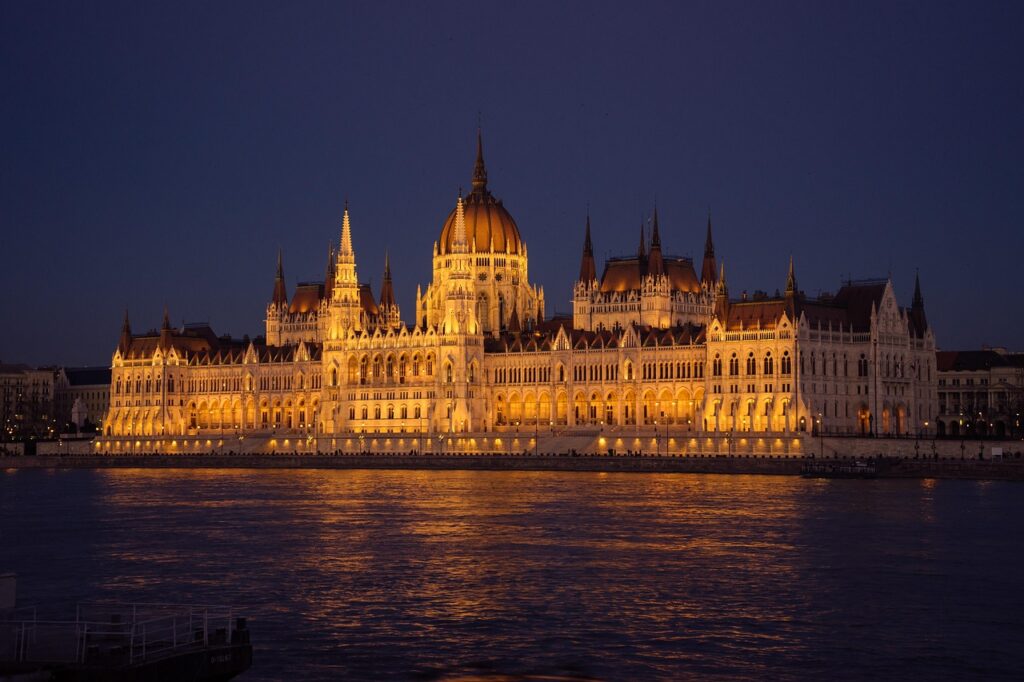
The second family is the Museum Pass / Budapest Museum Day Pass. These are designed for visitors focused on museums. A common example is a « 72-hour Museum Pass » that covers free entry to 10–15 selected museums (Hungarian National Museum, Museum of Fine Arts, Budapest History Museum at the Castle, etc.). Typical prices for museum passes range from about €20 to €40 depending on duration and number of included institutions. The advantage: direct entry to permanent collections, which can save a lot if you plan to visit 3–4 major museums in two days.
Finally, some tour operators and local tourist offices sell combined « museum + spa » or « museum + cruise » packages that include entry to a highlight exhibition plus an additional activity. These bundles can be convenient for a single day but are often less flexible than the passes described above.
Practical tip: list the museums you want to visit (for example Magyar Nemzeti Múzeum, Szépművészeti Múzeum, Magyar Nemzeti Galéria, House of Terror), add up single-ticket prices and compare that total with the cost of a pass. Factor in extras you need (transport, thermal baths) to decide whether the general Budapest Card or a specialized Museum Pass is the better value.
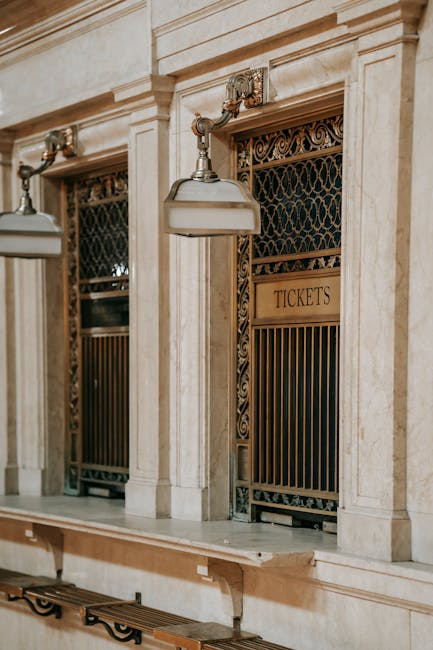
Visiting major institutions: what passes cover for each key museum
Below is a rundown of Budapest’s main museums, with addresses, standard opening hours (check online before visiting), single-ticket prices in euros and notes on pass inclusion.
-
Magyar Nemzeti Múzeum (Hungarian National Museum)
Address: Múzeum krt. 14-16, 1088 Budapest.
Typical opening hours: Tuesday–Sunday 10:00–18:00, closed Monday (may vary with exhibitions).
Indicative standard admission: €6–8 (adult). Discounts for students and seniors. Temporary exhibitions may add a supplement of €3–6.
Inclusion: often covered by Museum Passes (permanent collection entry), rarely free with the Budapest Card (usually a discount). -
Szépművészeti Múzeum (Museum of Fine Arts)
Address: Dózsa György út 41, 1146 Budapest.
Typical opening hours: Tuesday–Sunday 10:00–18:00, closed Monday (variable).
Indicative price: €10–12 (adult) for the permanent collection; temporary exhibitions often cost an extra €6–10.
Inclusion: often part of higher-tier Museum Passes; Budapest Card may offer a discount. -
Magyar Nemzeti Galéria (Hungarian National Gallery)
Address: Szent György tér 2, 1014 Budapest (Buda Castle).
Typical opening hours: Tuesday–Sunday 10:00–18:00, closed Monday.
Indicative price: €8–10 (adult). Some temporary rooms and special events may be paid separately.
Inclusion: frequently included in Museum Passes; check Budapest Card details. -
Terror Háza Múzeum (House of Terror)
Address: Andrássy út 60, 1062 Budapest.
Typical opening hours: Tuesday–Sunday 10:00–18:00. Closed on Mondays (hours may shift around national commemorations).
Indicative price: €6–9 (adult). Audio guide often available for €3–4.
Inclusion: sometimes discounted with the Budapest Card (reduced entry), rarely free with standard museum passes. -
Dohány utcai Zsinagóga – Hungarian Jewish Museum and Archives
Address: Dohány u. 2, 1074 Budapest (Great Synagogue complex).
Typical opening hours: museum visits 10:00–18:00; religious services at specific times; sometimes closed during Jewish holidays.
Indicative price: €10–12 (combined ticket for synagogue + museum + Beit Hamidrash).
Inclusion: sometimes discounted via the Budapest Card; rarely included for free in museum passes.
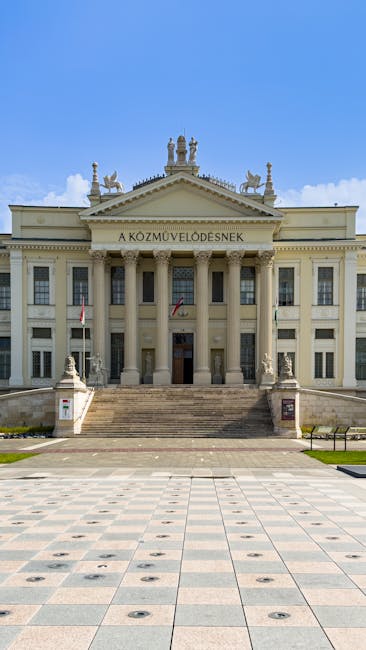
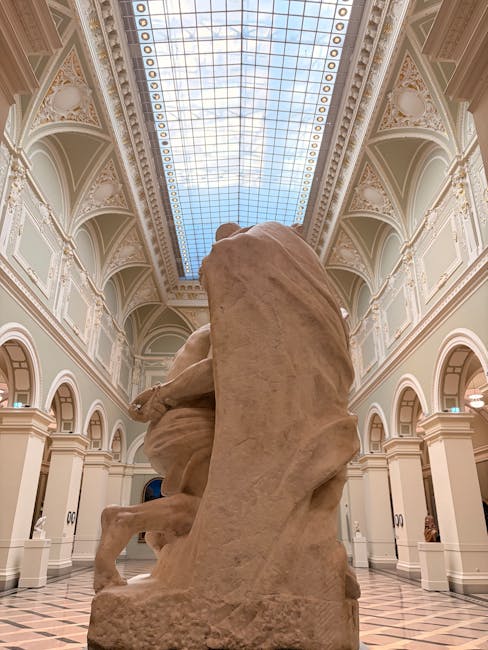

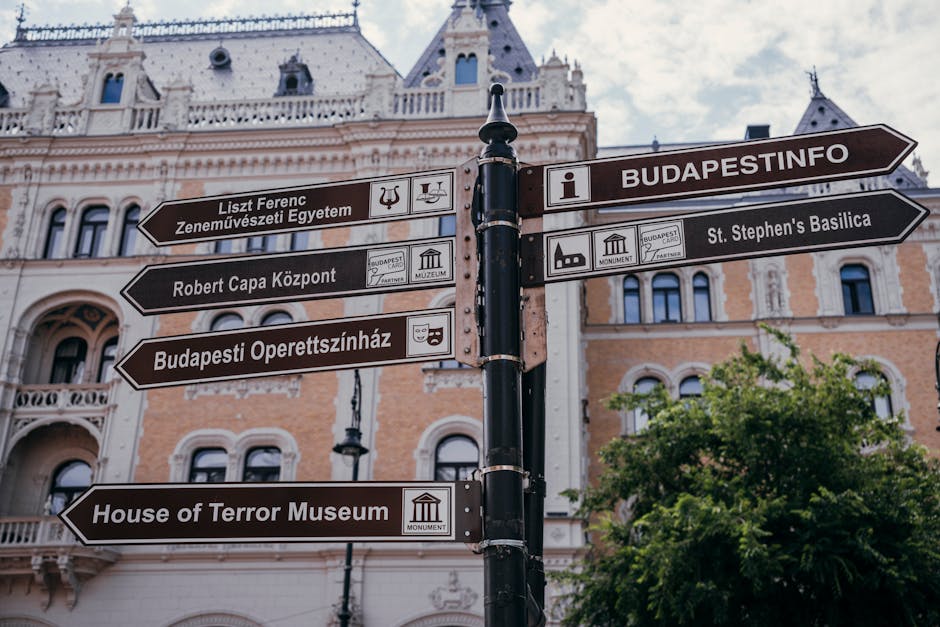
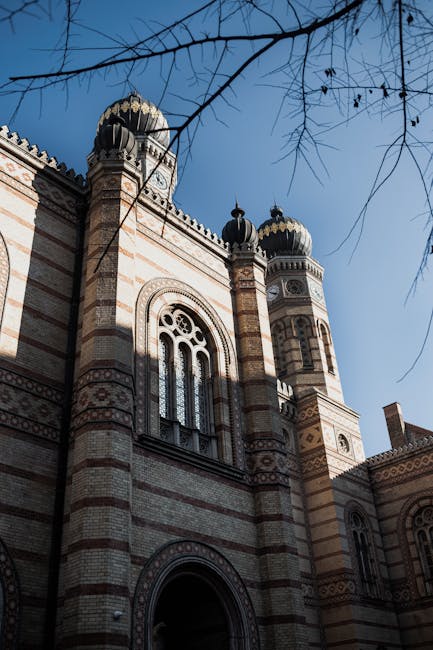
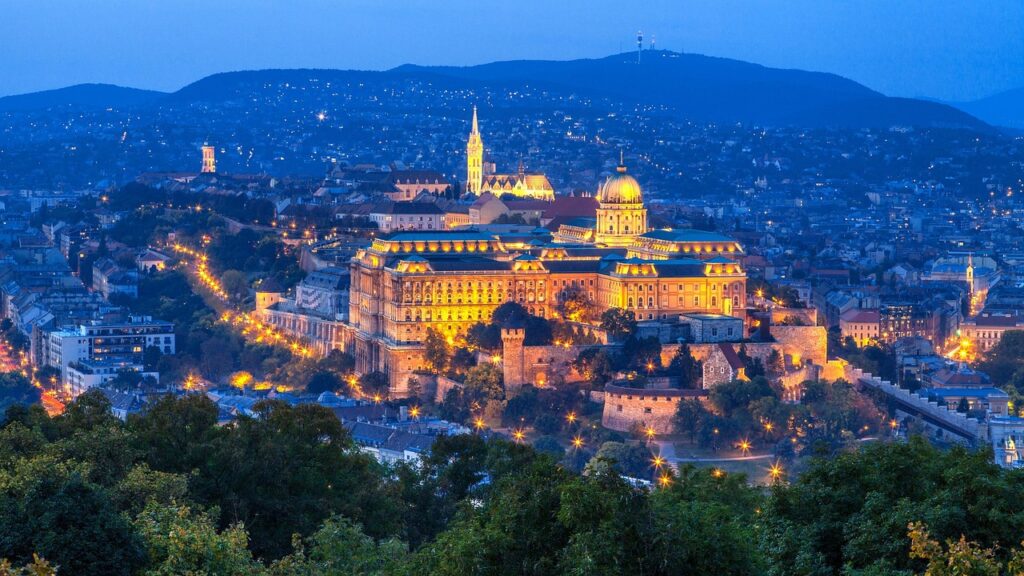
Other notable spots: the Budapest History Museum (Budapesti Történeti Múzeum) at Buda Castle, Szent György tér 2 (admission: €6–8), and the Ludwig Museum of Contemporary Art (Műcsarnok — Kunsthalle) at Dózsa György út 37, 1146 (entry: €6–9 depending on the exhibition). Smaller specialist museums (Transport Museum, Kiscelli Museum in Buda, the Bread or Wine Museums) are often excluded from general passes but sometimes included in local Museum Pass bundles.
Real value: calculate cost-effectiveness, strategies and local tips
Buying a pass without a plan can end up costing more than buying individual tickets. Here’s a simple method and local tips to help you decide:
- Step 1 — List your priorities: write down 4–6 must-see museums (e.g. Szépművészeti, Hungarian National Gallery, House of Terror, Hungarian National Museum). Check single-ticket prices. If the total exceeds the pass price, the pass is a good deal.
- Step 2 — Factor in extras: do you want unlimited transport, thermal baths (Széchenyi, Gellért), or discounts for tours and cruises? The Budapest Card becomes more cost-effective if you plan at least one thermal bath visit and frequent transport use.
- Step 3 — Consider timing: most major museums need at least 1.5–3 hours. A 72-hour Museum Pass is ideal if you’re focused on culture and can chain visits.
Local practical tips:
- Avoid Mondays: many museums are closed. Plan visits from Tuesday to Sunday.
- Quiet times: arrive at opening (10:00) or late afternoon (16:00–17:00) to dodge tour groups and get better photo and viewing opportunities.
- Travel by bike or tram: Budapest’s tram network is scenic (for example line 2 along the Danube). The Budapest Card often includes transport, which adds real value.
- Check temporary exhibitions: they may be excluded from passes; if a high-profile temporary show (for example an international loan) interests you, you might need to buy a separate ticket or reserve in advance.
- Book ahead: some museums limit access and require timed reservations (House of Terror, Dohány Synagogue). Reservations — free or paid — can be independent of the pass.
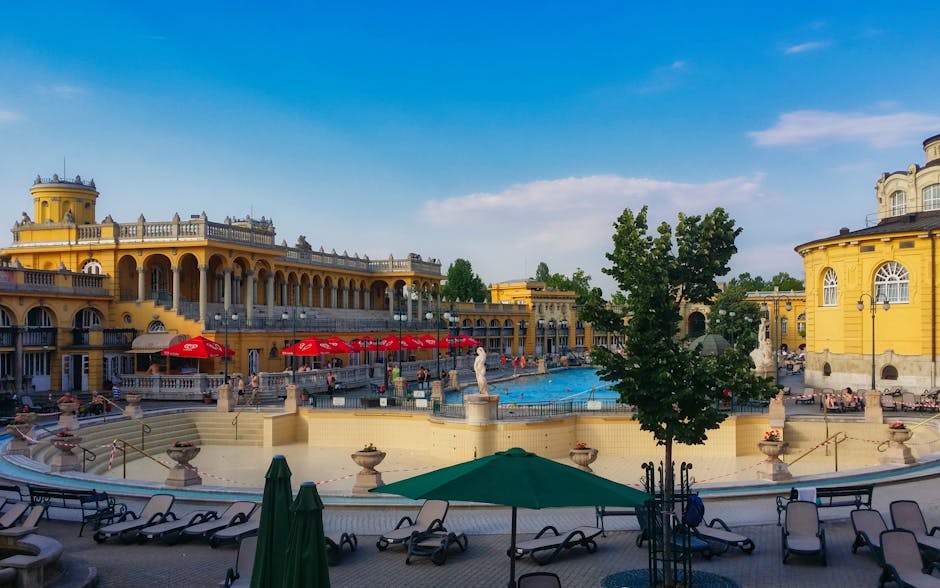
Tips for combining museums and downtime: after a morning at the Museum of Fine Arts (Dózsa György út 41), stroll through Városliget park to reach the Széchenyi Baths (Állatkerti krt. 9-11, 1146 Budapest) — admission typically around €18–25 depending on cabin/locker options. The Budapest Card sometimes offers a discount at the baths, making a culture-plus-spa day both pleasant and economical.
Practical examples: 1–3 day itineraries and which pass to choose
Here are three short itineraries that show when a pass becomes worthwhile.
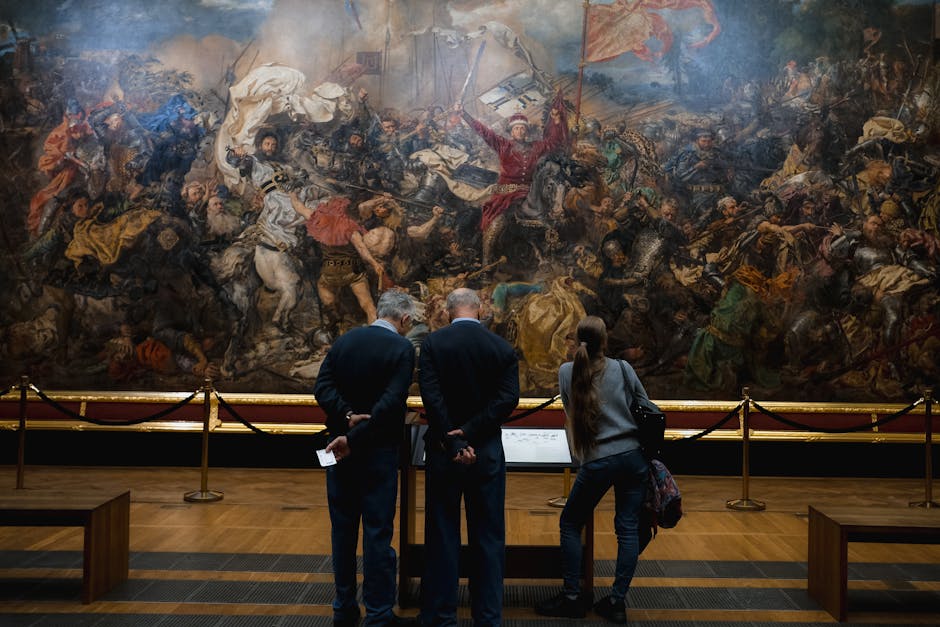
Itinerary 1 — Museum-intensive weekend (2 days): Saturday morning: Hungarian National Museum (Múzeum krt. 14-16) — about 2 h (€6–8). Saturday afternoon: Museum of Fine Arts (Dózsa György út 41) — 2–3 h (€10–12). Sunday morning: Hungarian National Gallery (Szent György tér 2) — 2 h (€8–10). Total tickets ≈ €24–30. In this case, a 72-hour Museum Pass at €25–35 can be more convenient: fewer queues, a single price and optional audio guides.
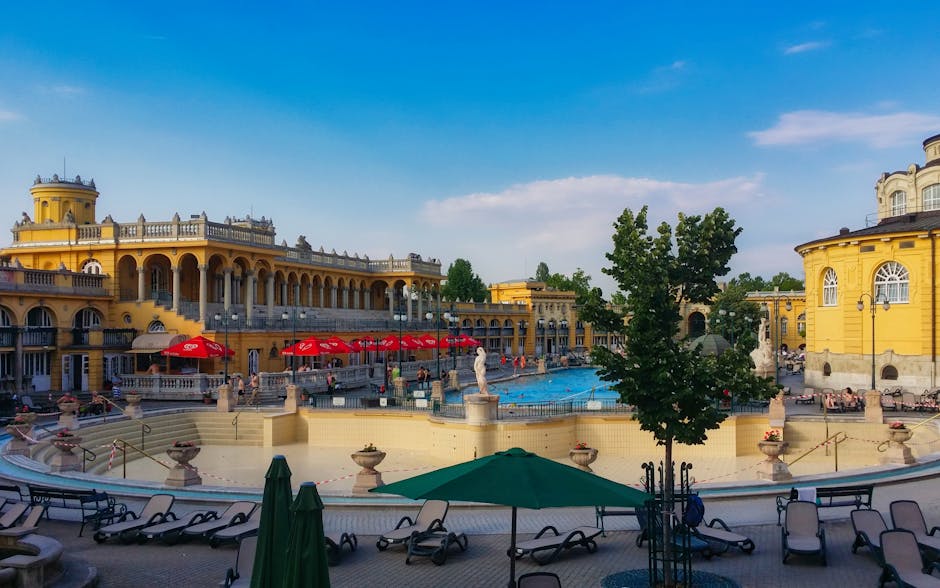
Itinerary 2 — Culture + baths in 48 hours: Day 1: House of Terror (Andrássy út 60) €6–9 and a walk down Andrássy Avenue. Day 2: Morning at the Budapest History Museum in the Castle (Szent György tér 2) €6–8, afternoon at Széchenyi Baths (Állatkerti krt. 9-11) €18–25. Total ≈ €30–42. The 48-hour Budapest Card (≈ €36) becomes attractive here because it includes transport and discounts for the baths, making logistics easier.
Itinerary 3 — Slow traveler, selective visits (3–4 days): If you prefer a slower pace with cafes, shopping and long walks, buy individual tickets for 2–3 major museums and use Budapest Card discounts for a Danube cruise. A 24–48h general pass can still be useful for transport and one thermal bath, but a Museum Pass is not necessarily cost-effective.
Bottom line: if you visit at least three major museums in 48–72 hours and/or plan to use public transport frequently plus visit a thermal bath, passes (Museum Pass or Budapest Card) often save money. If you’re selective (1–2 museums only), buy single tickets.
Conclusion: how to choose and get the most from Budapest’s cultural passes
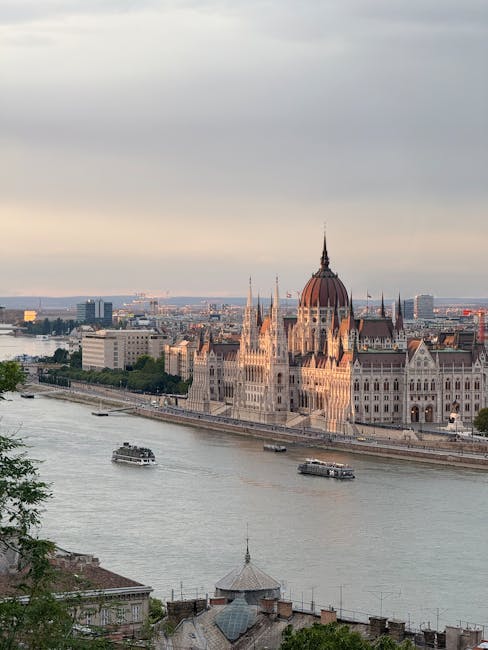
Choosing a cultural pass for Budapest requires an honest assessment of your pace and priorities. If you’re an intensive visitor, passionate about history and art, the Museum Pass — which groups entry to several important museums — is a clear solution: it saves time (often priority entry) and becomes economical from the third visit. If you want more flexibility, mobility and varied services (baths, transport, tours), the general Budapest Card is useful, but bear in mind its limits regarding major temporary exhibitions.
To conclude, follow these concrete steps: list your target museums before you travel, check official sites for up-to-date opening hours and prices (museums often close on Mondays and change hours by season), total the cost of single tickets versus the pass, and factor in extras (transport, baths) if you consider the Budapest Card. Visit at quieter times (opening, late afternoon) and book ahead for headline exhibitions and the Great Synagogue. Above all, stay open-minded: Budapest is as much about a museum visit as it is about a coffee break in the Jewish Quarter, a sunset Danube cruise or a nighttime soak in thermal water.
Enjoy your cultural journey in Budapest — may your passes open the doors to great collections and may your feet lead you off the beaten path to small galleries, artist studios and lesser-known local treasures!