





Introduction
Budapest, the Pearl of the Danube, is a city of many faces: grand imperial and Art Nouveau architecture, centuries-old thermal baths, hearty cuisine and a creative nightlife. In just three days you can capture the city’s essence by mixing essential cultural sights, sampling Hungarian dishes and spending evenings in Pest’s famous ruin bars. This practical guide lays out an itinerary designed to make the most of every hour, with exact addresses, price estimates in euros, opening times and local tips to save time and enjoy authentic experiences.
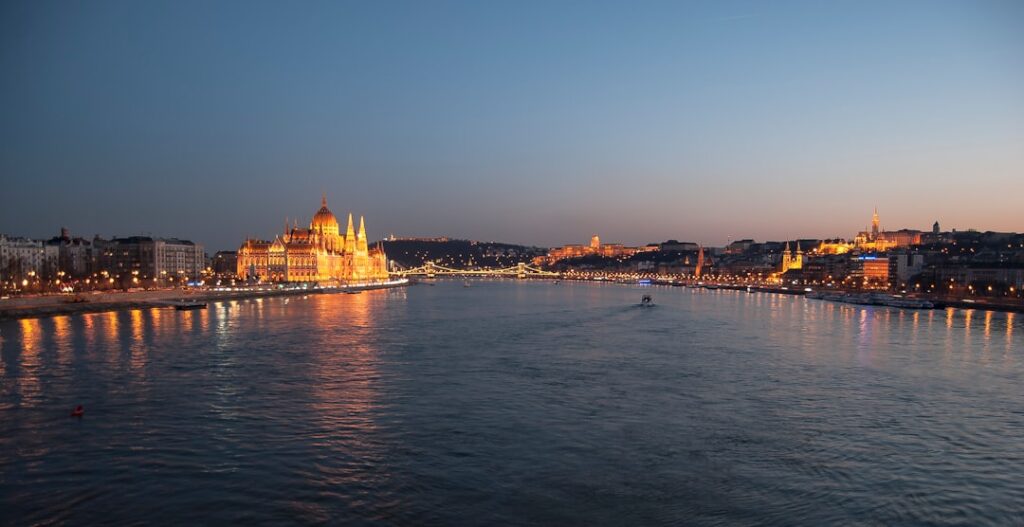
Budapest is split in two by the Danube: Buda, with its green hills and sweeping viewpoints, and Pest, the bustling heart, home to historic cafés and busy shopping streets. You’ll quickly feel the contrast between Buda’s calm — with Buda Castle (Budavári Palota) and Gellért Hill — and Pest’s energy — with Andrássy Avenue, the Great Synagogue and a nightlife that sparks after sunset.
This three-day plan is practical and immersive: each day groups sites that are geographically close to avoid unnecessary travel, while providing concrete details such as entrance fees in euros, opening hours and transport tips. You’ll also find local recommendations to save time (book Parliament tickets in advance, arrive early at the baths) and food tips — from covered markets to fine restaurants — so you can taste Hungarian classics like goulash, lángos and local pastries.
Prices shown are approximate in euros (EUR), based on recent public rates and may vary with season, student discounts or exchange fluctuations. Opening hours are typical; always check online before you go for public holidays or temporary closures. Finally, you’ll find visual markers 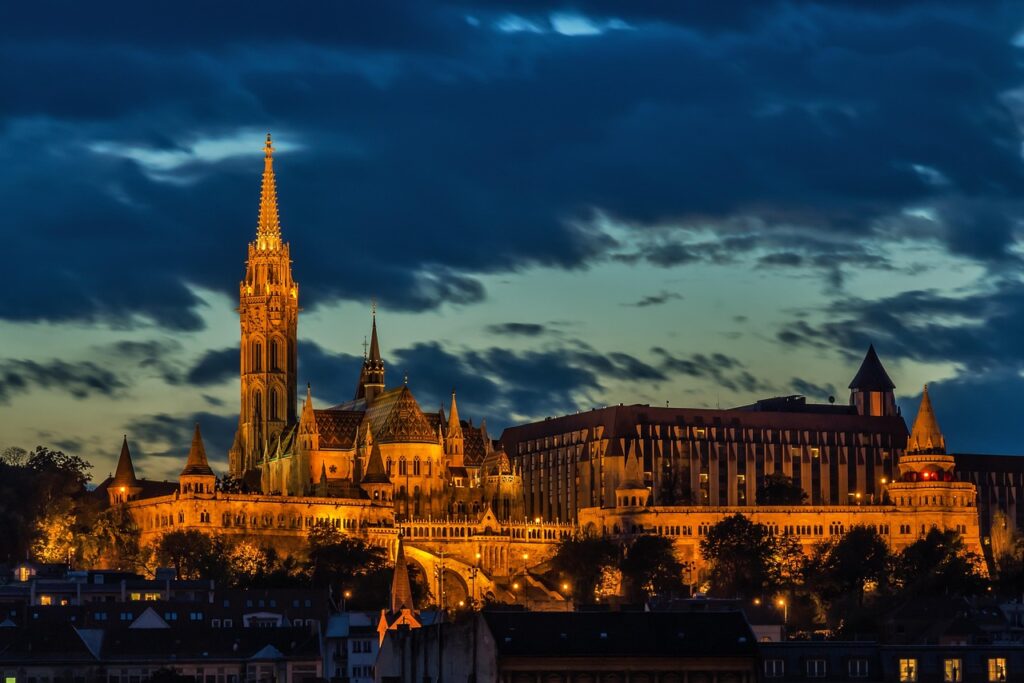 to illustrate the most photogenic spots and help you plan your shots.
Day 1 — Monumental Sights and a Riverside Stroll
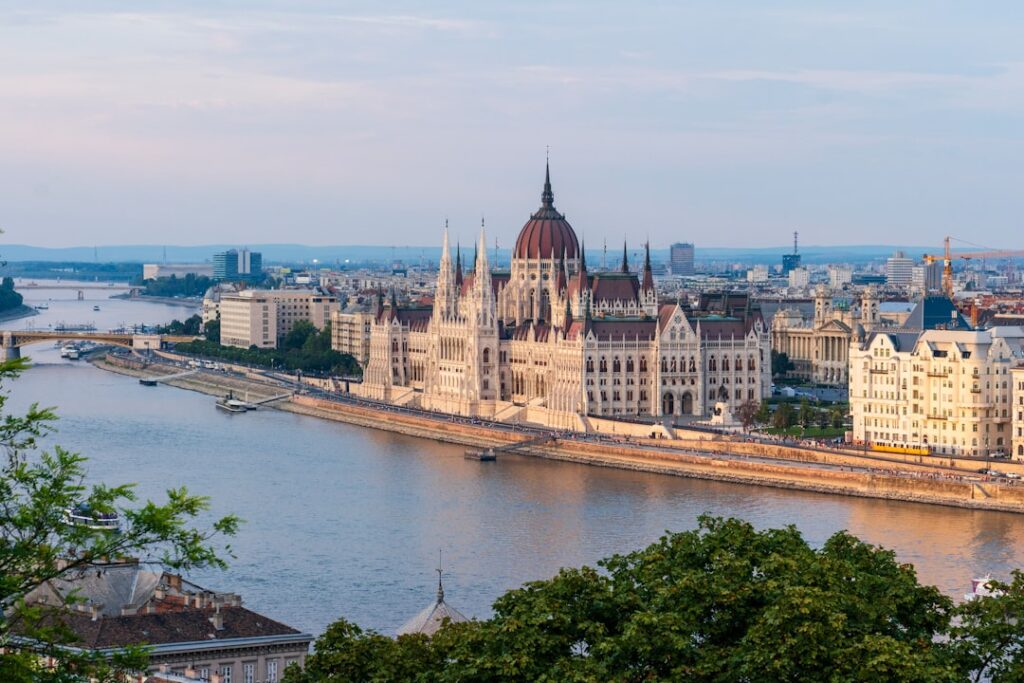
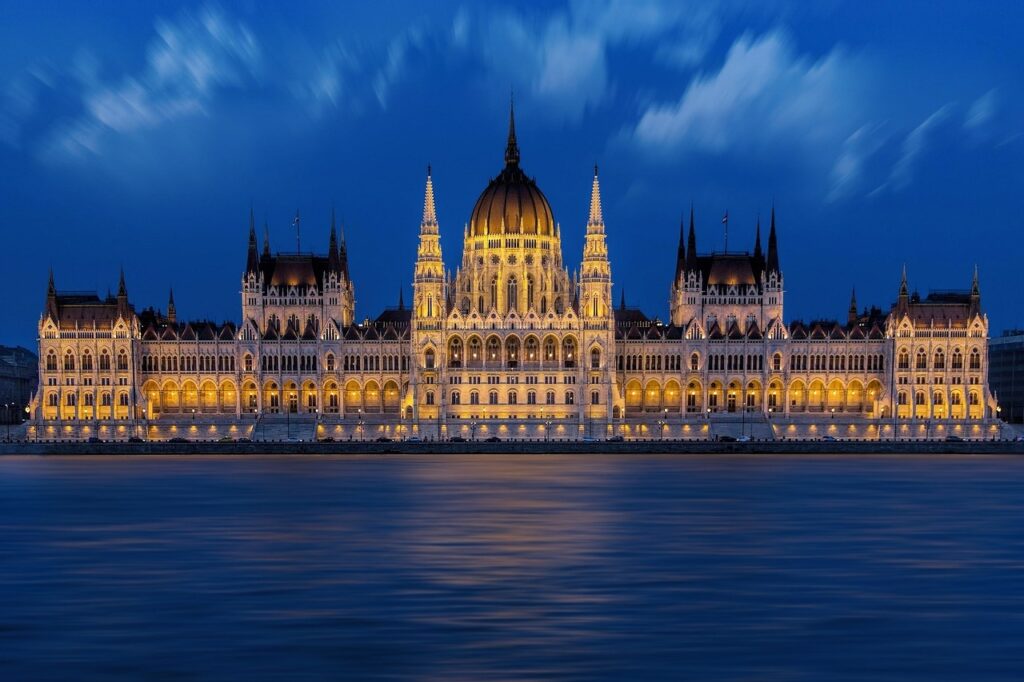
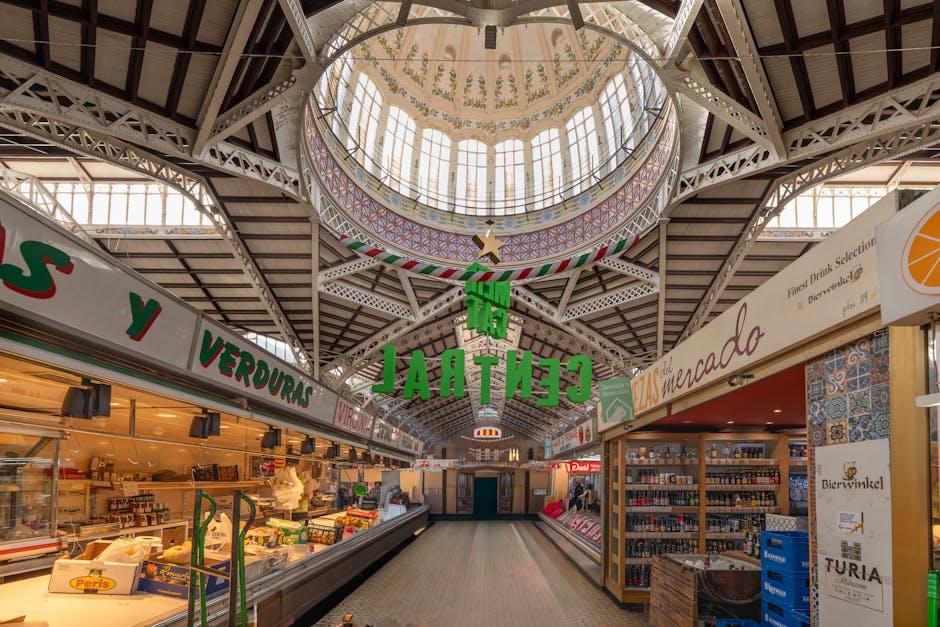
Start your trip with Budapest’s architectural and historical highlights: the Hungarian Parliament, Buda Castle Hill, St. Stephen’s Basilica and a walk along the Danube. Begin early to skip queues and take advantage of the best light for photos.
Morning — Hungarian Parliament and the Basilica
- Hungarian Parliament Building (Országház), address: Kossuth Lajos tér 1-3, 1055 Budapest. Guided tours available in English and other languages.
- Price: around €12–€16 per adult (standard guided tour; book online recommended).
- Opening times: guided tours typically run from 08:00 to 16:00 depending on season; ticket office may close earlier. Check the official site for exact slots and closures during parliamentary events.
- Local tip: arrive 30 minutes before your slot for security checks. Use an e-ticket to skip the line.
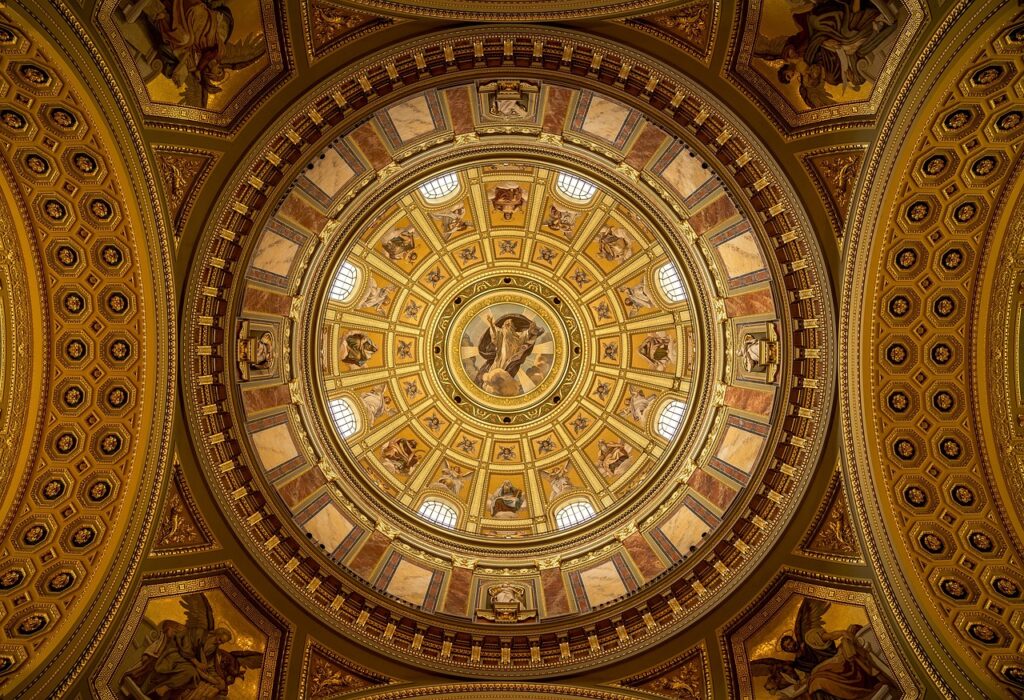
After the Parliament, head to St. Stephen’s Basilica (Szent István Bazilika) at Szent István tér 1, 1051 Budapest. Entry to the basilica is free, but access to the panoramic dome costs about €3–€5. Hours: usually 09:00–17:00, but times change around services.
Afternoon — Buda Castle and the funicular
Cross Elisabeth Bridge (Erzsébet híd) or take public transport up to the funicular. The Castle Hill Funicular (Budavári Sikló) departs from Clark Ádám tér 1, 1013 Budapest. Round-trip fare: roughly €6–€8. Hours: typically 07:30–22:00 depending on season.
Explore Buda Castle (Budavári Palota) on the hill, around Szent György tér. The grounds are free; to visit the Hungarian National Gallery (Magyar Nemzeti Galéria) at Szent György tér 2, 1014 Budapest, expect a ticket of about €8–€12. Opening times: often 10:00–18:00 (closed Mondays). Walk the battlements for sweeping Danube views and take time to see Matthias Church.
- Mátyás-templom (Matthias Church), address: Szentháromság tér 2, 1014 Budapest. Entrance: around €6–€10. Hours: generally 09:00–17:00, but services may alter times.
- Fisherman’s Bastion (Halászbástya), address: Szentháromság tér, 1014 Budapest. The lower terraces are free; tower access costs about €3–€5.
Evening — Danube cruise and night views
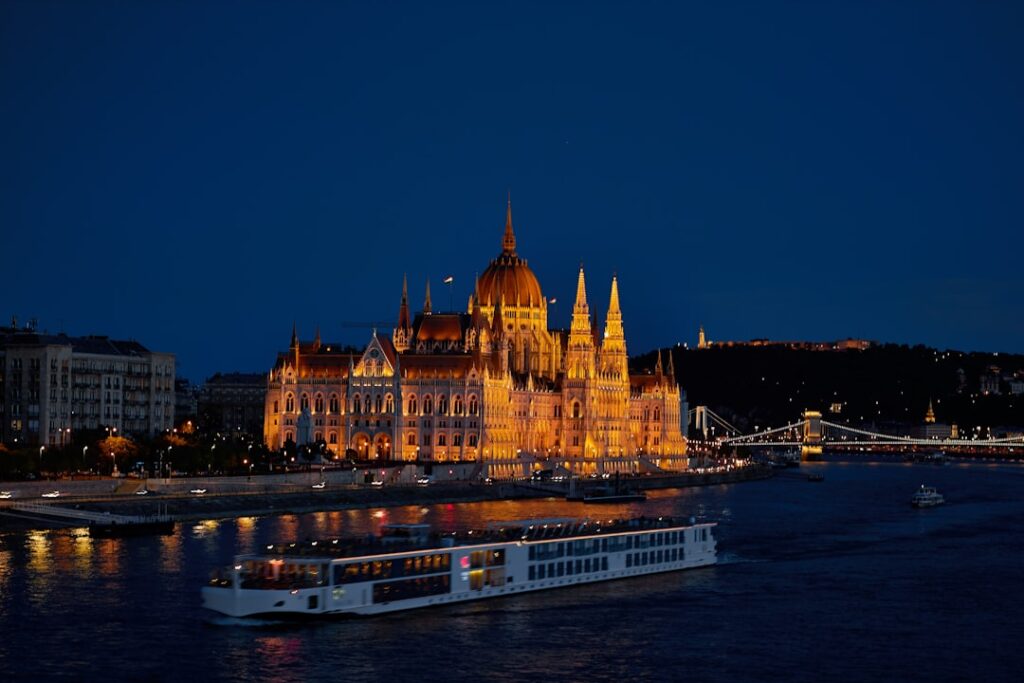
Finish the day with a Danube cruise to see the city lit up. Options range from one-hour sightseeing trips with commentary to dinner cruises and panoramic boats. Example: Legenda City Cruises, departing near Margaret Bridge. Prices: from €12 for a one-hour cruise to €30–€40 for a dinner cruise. Evening departures usually run 18:00–22:00, season-dependent.
Day 2 — Baths, Markets and Hungarian Flavors
Day two is about relaxing in Budapest’s famous thermal baths, exploring local flavors at the Great Market Hall, and indulging in historic cafés and patisseries. Budapest is famed for its mineral-rich thermal waters — bathing is both a relaxing ritual and a cultural experience.
Morning — Széchenyi Thermal Bath and City Park
Start at City Park (Városliget) and the largest thermal complex in Europe: Széchenyi Thermal Bath (Széchenyi Gyógyfürdő és Uszoda), address: Állatkerti krt. 9-11, 1146 Budapest. Entry: roughly €18–€25 depending on the package (basic entry + locker). Hours: generally 06:00–22:00; the outdoor pools are especially photogenic in winter when steam meets cold air.
Practical tips: bring swimwear, a towel (rental available ≈ €3–€6) and sandals. Buy skip-the-line tickets online to avoid long waits on weekends. If you prefer a cozier Art Nouveau atmosphere, consider Gellért Thermal Bath (Gellért Gyógyfürdő), address: Szent Gellért tér 1, 1111 Budapest; entrance about €18–€22, hours usually 06:00–20:00.
Midday — Great Market Hall and tastings
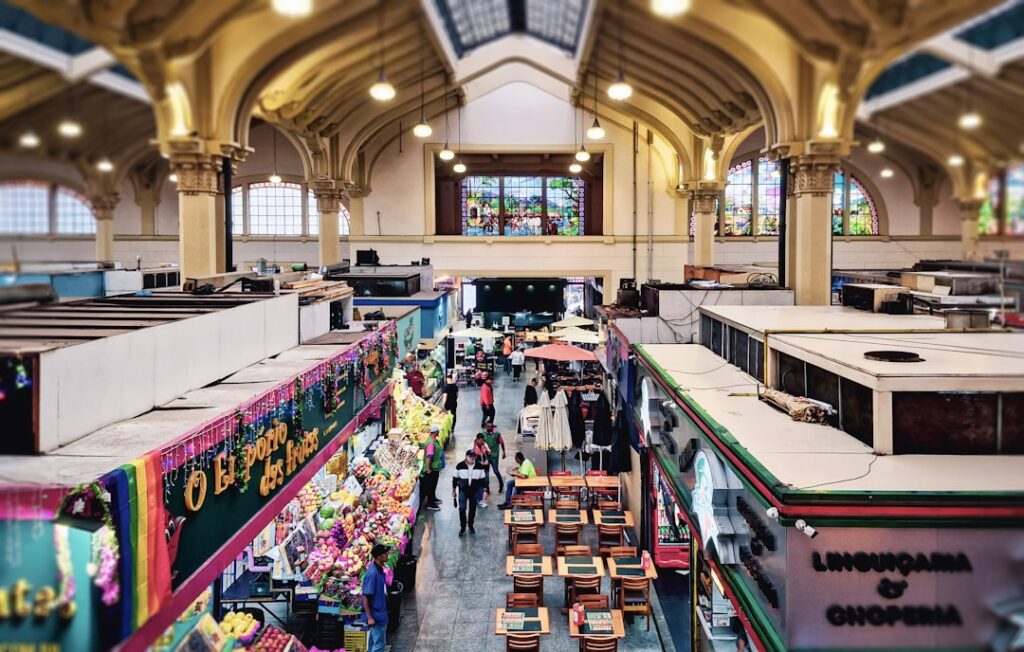
Head to the Great Market Hall (Nagyvásárcsarnok / Central Market Hall), address: Vámház krt. 1-3, 1093 Budapest. Hours: usually 06:00–18:00 (closed Mondays). Try a lángos (savory fried dough) for about €3–€6, pick up Hungarian sausages, paprika and local wines. The basement stalls brim with fresh produce — it’s a perfect spot for a quick lunch.
Other tasty stops: the New York Café (New York Palace), address: Erzsébet körút 9-11, 1073 Budapest. This opulent historic café is ideal for dessert and coffee. Prices: drinks and pastries from about €6–€18. Hours: typically 08:00–22:00, but check variations.
Afternoon — Museums or a stroll along Andrássy
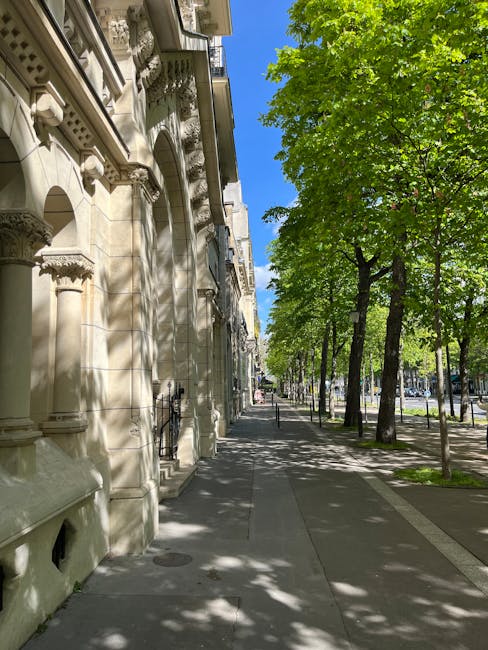
After lunch, wander down Andrássy Avenue (Andrássy út), a UNESCO World Heritage site. You can tour the Hungarian State Opera House (Magyar Állami Operaház), address: Andrássy út 22, 1061 Budapest. Guided tours: around €8–€15. Hours: tours typically run 10:00–16:00 depending on performances.
Modern art fans should visit the House of Terror Museum (Terror Háza Múzeum), address: Andrássy út 60, 1062 Budapest. Entry: about €8–€12. Hours: generally 10:00–18:00. The museum offers a powerful look at totalitarian regimes and 20th-century Hungarian history.
Evening — Traditional Hungarian dinner
For dinner try a classic like Gundel Restaurant, address: Gundel Károly út 4, 1146 Budapest (in City Park). Main dishes: about €15–€35, tasting menus cost more. Hours: usually 12:00–22:00. For a cheaper, authentic option head back toward the Market District or explore the small eateries on Ráday Street (Ráday utca).
Day 3 — Nightlife, Ruin Bars and Local Finds
Day three dives into Budapest’s contemporary scene: ruin bars, clubs, wine bars and inventive restaurants. The Jewish Quarter — especially around Kazinczy Street and Klauzál Square — is the beating heart of the nightlife. During the day, choose less touristy experiences to feel how locals live.
Morning — Neighborhood walks and café culture
Start in the Jewish Quarter (District VII). Grab coffee and a pastry at one of the many local spots like Espresso Embassy, address: Arany János utca 15, 1051 Budapest. Hours: usually 07:00–18:00. Price: coffee about €2–€4.
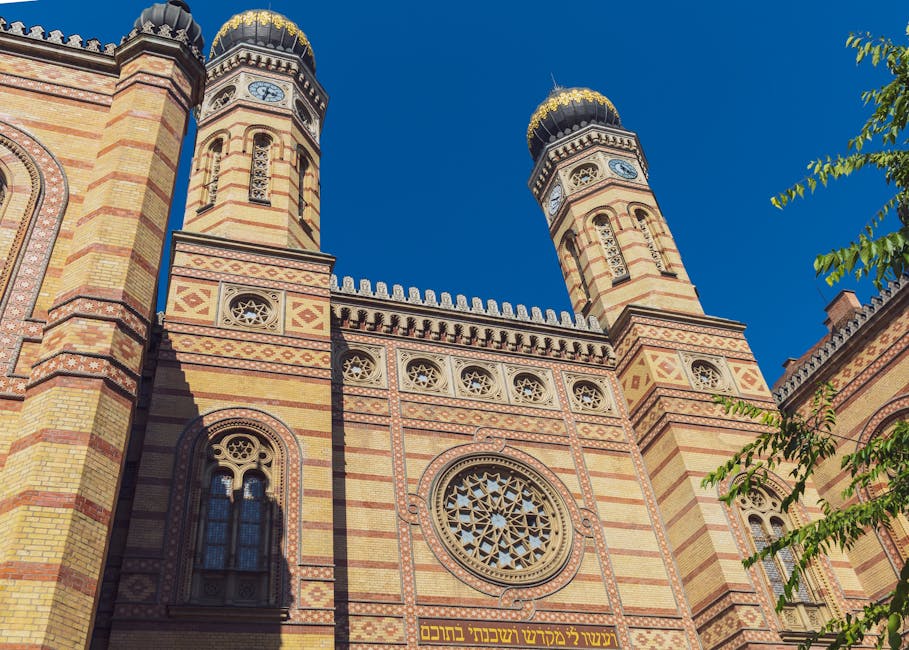
Visit the Dohány Street Synagogue (Great Synagogue), address: Dohány utca 2, 1074 Budapest. It’s the largest synagogue in Europe. Entry: roughly €10–€15 (includes the museum and garden). Hours: generally 10:00–17:00, but it may close for religious services.
Afternoon — Street art and vintage shopping
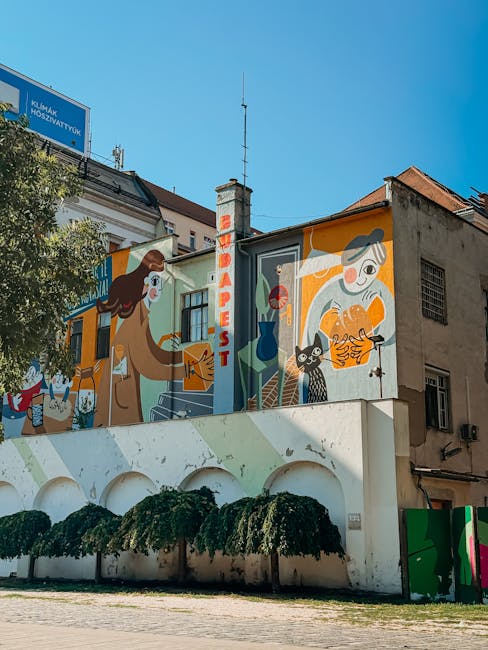
Wander the Jewish Quarter’s narrow streets filled with vintage shops, galleries and street art. For alternative shopping, check out the Szimpla Kert Farmer’s Market (if it’s Sunday) or small stores like Retrock Vintage (Kazinczy utca 20, 1075 Budapest). Hunt for retro clothing, vinyl records and locally designed objects.
Evening — Ruin bars and clubs: how to enjoy without getting lost
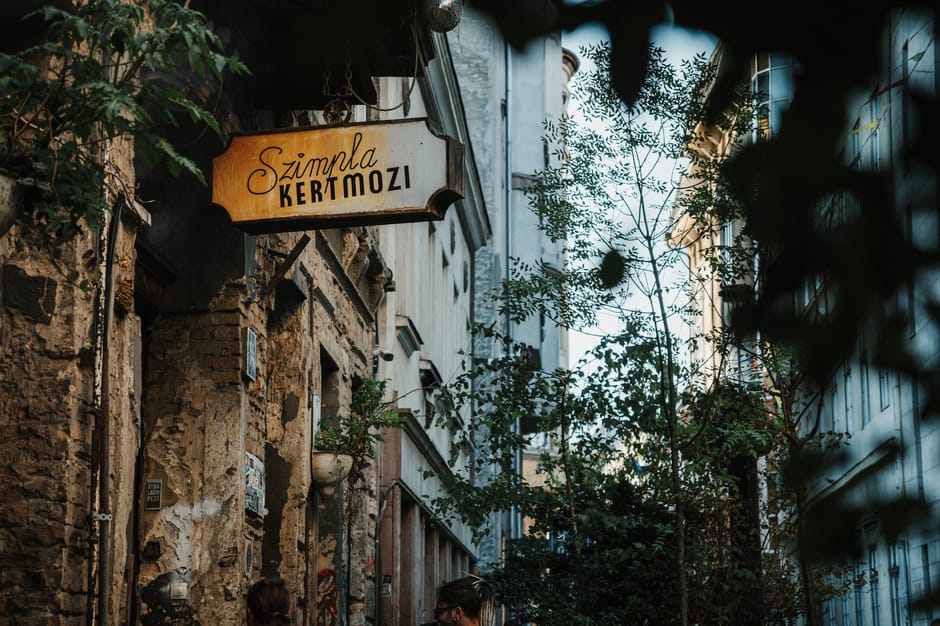
The highlight: ruin bars, set up in abandoned industrial buildings and filled with eclectic decor. The best-known is Szimpla Kert, address: Kazinczy utca 14, 1075 Budapest. Hours: typically 12:00–02:00 (some nights later). No cover charge in most places; drinks cost around €3–€8. Tip: go early to secure a spot or hop between several venues.
Other notable spots:
- Instant-Fogas Complex (multi-room club), address: Akácfa utca 51, 1072 Budapest. Cover for special nights ≈ €8–€15, drinks €4–€10.
- Kuplung (ruin bar and concert space), address: Csengery utca 48, 1067 Budapest. Cover and drinks vary by program.
- 360 Bar (rooftop bar with panoramic views), address: Andrássy út 39, 1061 Budapest. Cocktails ≈ €8–€12. Hours: generally 16:00–02:00.
Safety and etiquette tips: keep an eye on your belongings, respect queues and the layout of venues (some places operate as cafés by day and bars by night). Carry small change in local currency (Hungarian forint) — euros are sometimes accepted but don’t rely on it. Most places take cards.
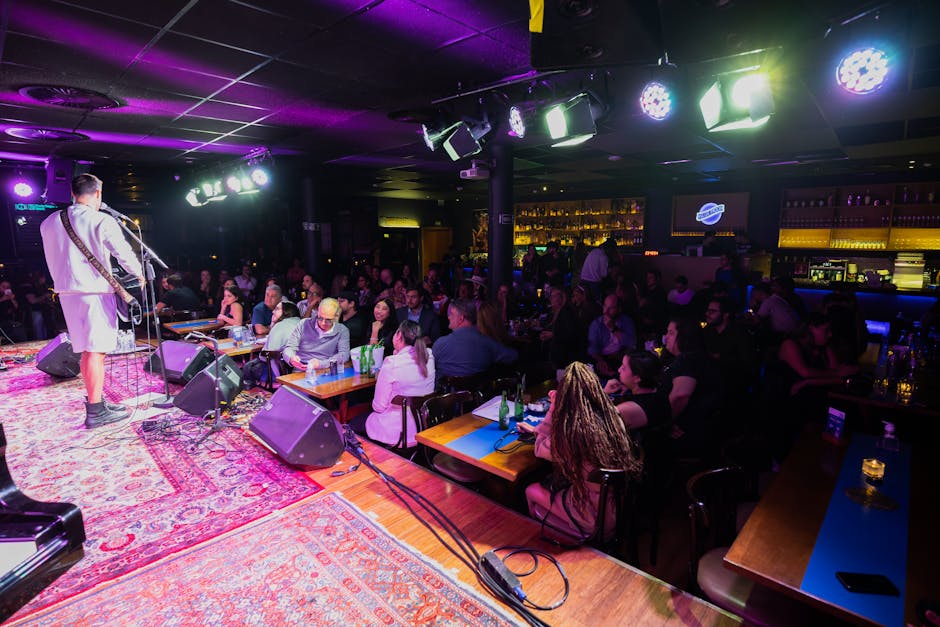
Late night — After-hours snacks
After the bars, late-night snacks are part of the local scene: look for a lángos stall, a late‑open eatery or street kiosks. Official taxis and ride‑hailing apps (Bolt, Főtaxi) are safe ways to get back to your hotel; central fares run about €6–€15 depending on distance.
Conclusion
Three days in Budapest give you a solid overview: a blend of historic monuments, thermal baths, traditional markets and inventive nightlife. Following this itinerary, you’ll hit the highlights — Hungarian Parliament, Buda Castle, Széchenyi Baths, Great Market Hall — while experiencing local life: historic cafés, ruin bars and traditional restaurants.
Practical tips to make the most of your stay: buy skip-the-line tickets for major attractions (Parliament, baths), explore on foot or by tram (the public transport network is extensive and affordable), and wear comfortable shoes for cobbled streets. For transport and museums, consider the Budapest Card (available in 24/48/72-hour options) if you plan many visits and frequent public transit. Entrance fees and hours in this guide are estimates in euros — always check official sites before you go for up-to-date prices and seasonal closures.
Finally, leave room for serendipity: stroll down small lanes, chat with a vendor at the market and try a specialty you haven’t tasted before. Budapest is a city where history and modern life meet around every corner — three well-planned days will give you a great introduction and a reason to return for a deeper dive.