





Introduction — Why 3 days in Budapest are worth it
Budapest, Hungary’s vibrant capital, blends imperial history, Art Nouveau architecture, centuries-old thermal culture and a lively contemporary urban scene. Straddling the Danube, the city is made up of two former towns — hilly, fortified Buda and flat, bustling Pest with its grand boulevards. In three days you can cover the essentials: iconic landmarks, thermal baths, riverside walks and neighborhoods that reveal different sides of the city.
This 3-day Budapest guide is designed to give you a balanced route: major monuments (Parliament, Buda Castle, St. Stephen’s Basilica), thermal experiences (Széchenyi, Gellért) and unmissable strolls (the Danube bank, the Jewish Quarter). I include exact addresses, indicative opening hours and prices in euros to help planning. Schedules and rates change: always check official sites before you go, but this guide gives a solid starting point to organise your days.
Beyond practical info, you’ll find vivid descriptions to help picture each place before you arrive. I also share local tips to skip queues, find the best viewpoints and make the most of getting around on foot, tram or metro. Budapest is very walkable and well served by public transport; still, some experiences — like an evening thermal bath or climbing Fisherman’s Bastion at sunset — require a little planning to catch golden hours and avoid crowds.
I also include food and market recommendations, plus tips on money and payments (many places accept cards, but having Hungarian forints is handy for small purchases). This guide is general enough for most visitors: solo travellers, couples, small families or groups of friends. The itineraries have a clear logic, but feel free to adapt them to your pace. Without further ado, here are three days planned to reveal the soul of Budapest — from architectural grandeur to soothing baths and memorable walks.
1. Day 1 — Parliament, Fisherman’s Bastion, Buda Castle: monuments and panoramic views
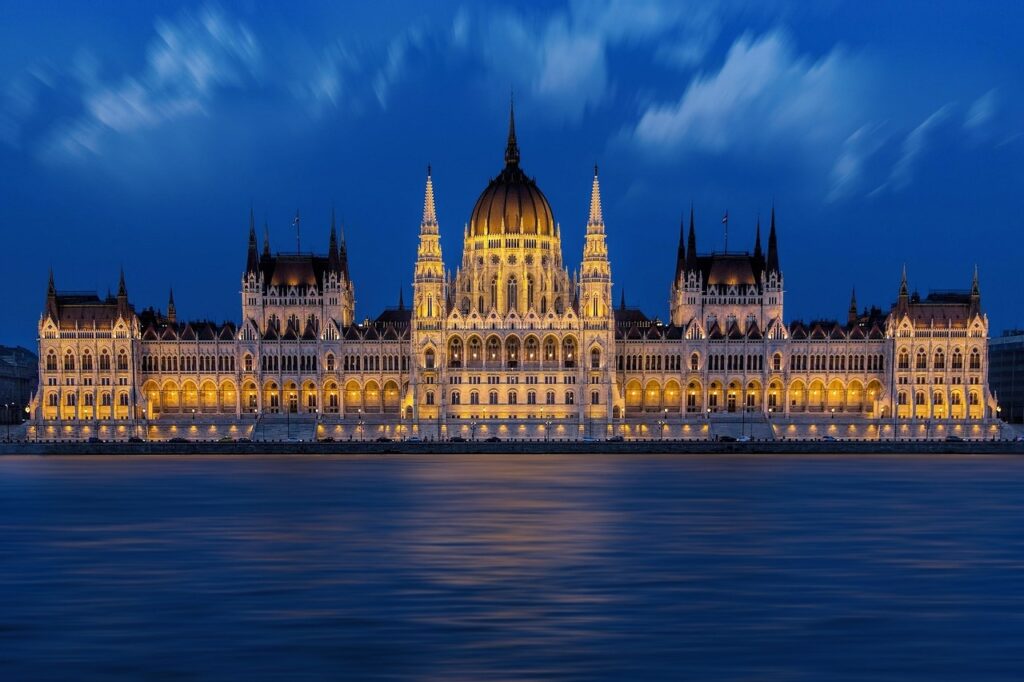
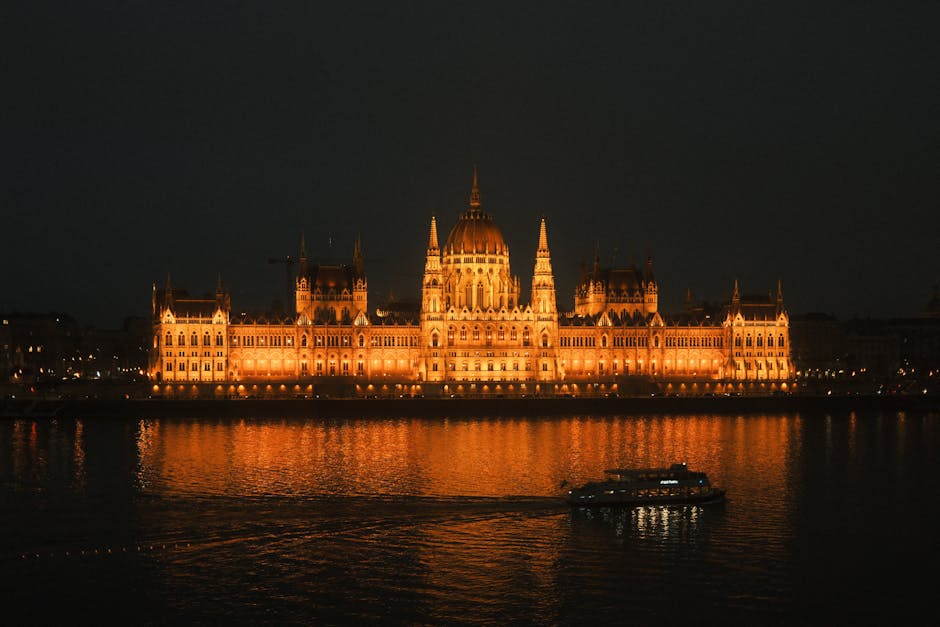
Start your Budapest discovery at the iconic Hungarian Parliament, a neo-Gothic masterpiece that rivals the great buildings of Central Europe. Official name: Országház (Hungarian Parliament Building), address: Kossuth Lajos tér 1-3, 1055 Budapest. Opening hours: guided tours (in several languages) usually run between 08:00 and 18:00; times vary by season and public holidays. Price: tourist tickets roughly €12–18 (about 5,000–7,000 HUF), reduced fares for students and seniors; online booking recommended. Inside you can admire the main staircase, the dome hall and the Holy Crown of Hungary displayed in its golden reliquary.
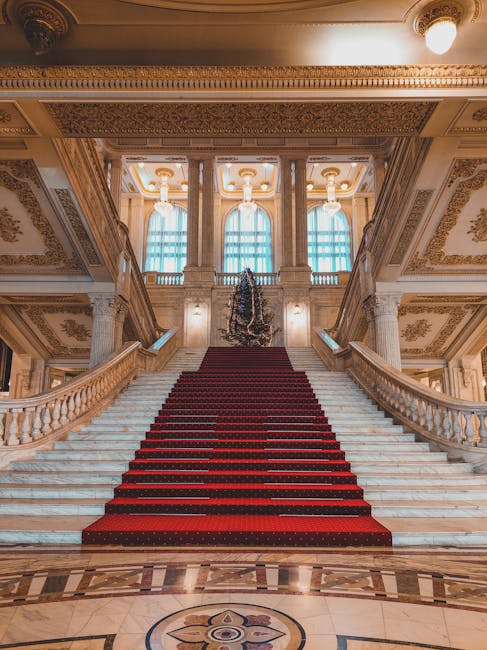
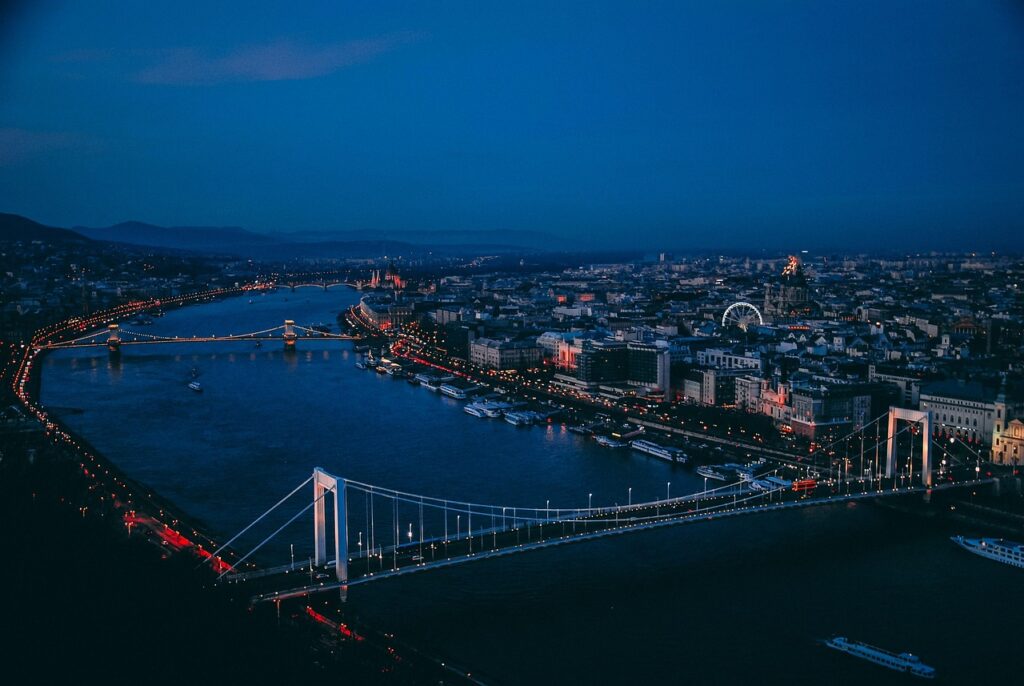
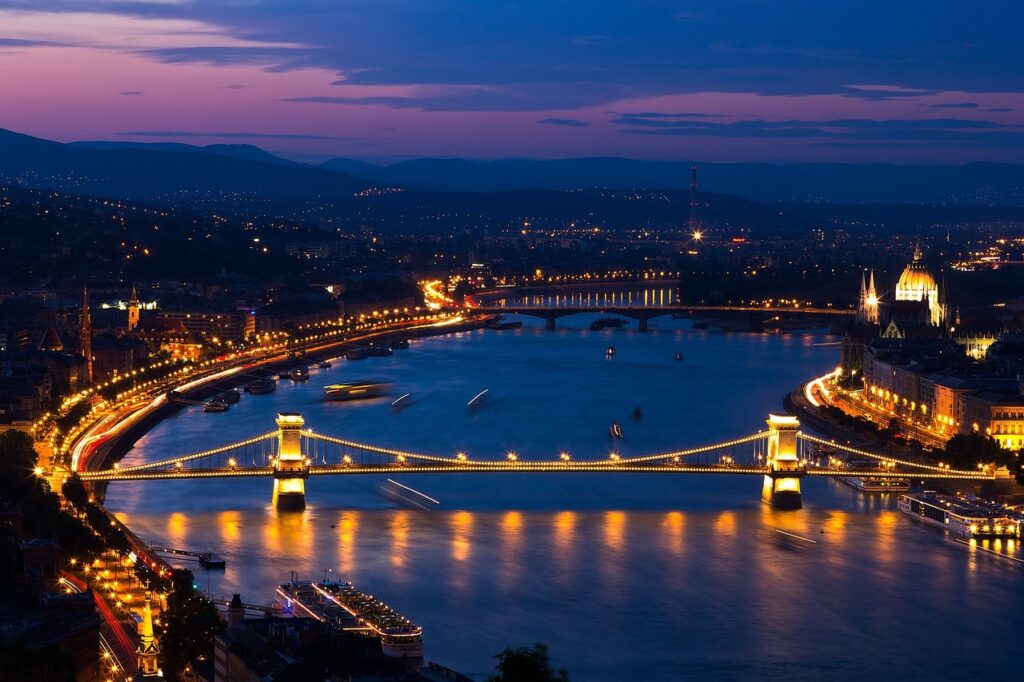
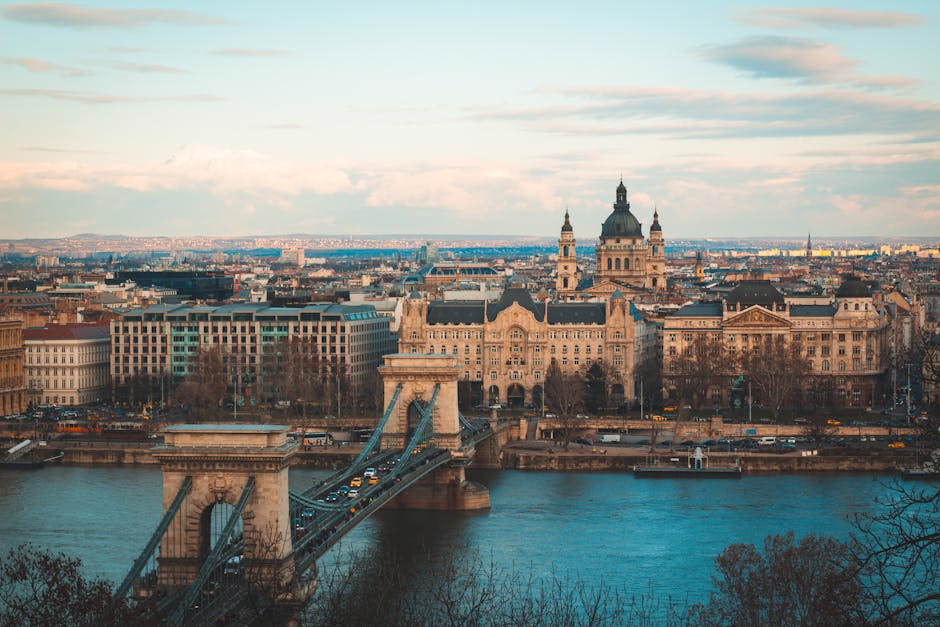
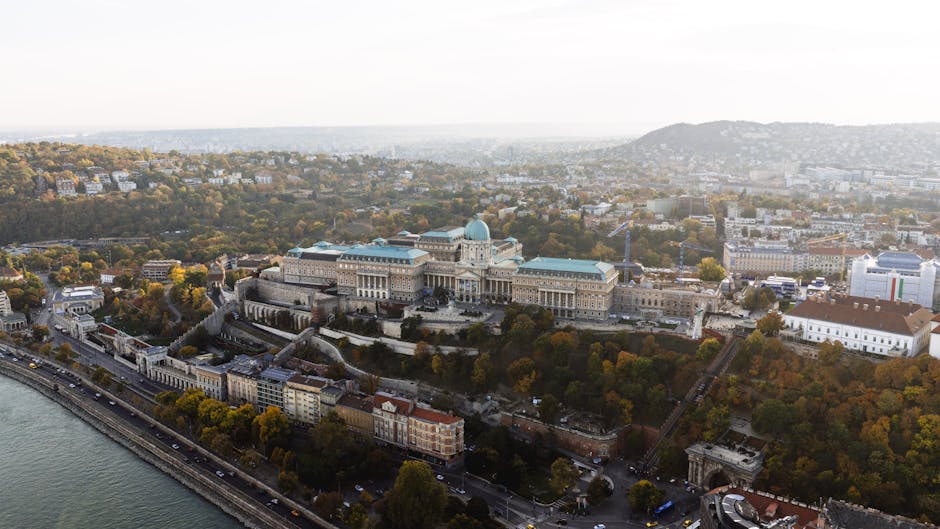
Continue with a walk along the Danube towards the Chain Bridge (Széchenyi Lánchíd), address: Széchenyi István tér, 1011 Budapest (the bridge linking Buda and Pest). Crossing on foot offers stunning views of the river and the Parliament silhouette. Then head up to the Buda hill to reach Buda Castle (Budavári Palota), address: Szent György tér 2, 1014 Budapest. Outdoor access: open all day; castle museums (Budapest History Museum, Hungarian National Gallery) have varying hours, typically 10:00–18:00. Price: outdoor courtyards are free, museums around €6–12 (2,000–4,500 HUF) depending on exhibits.
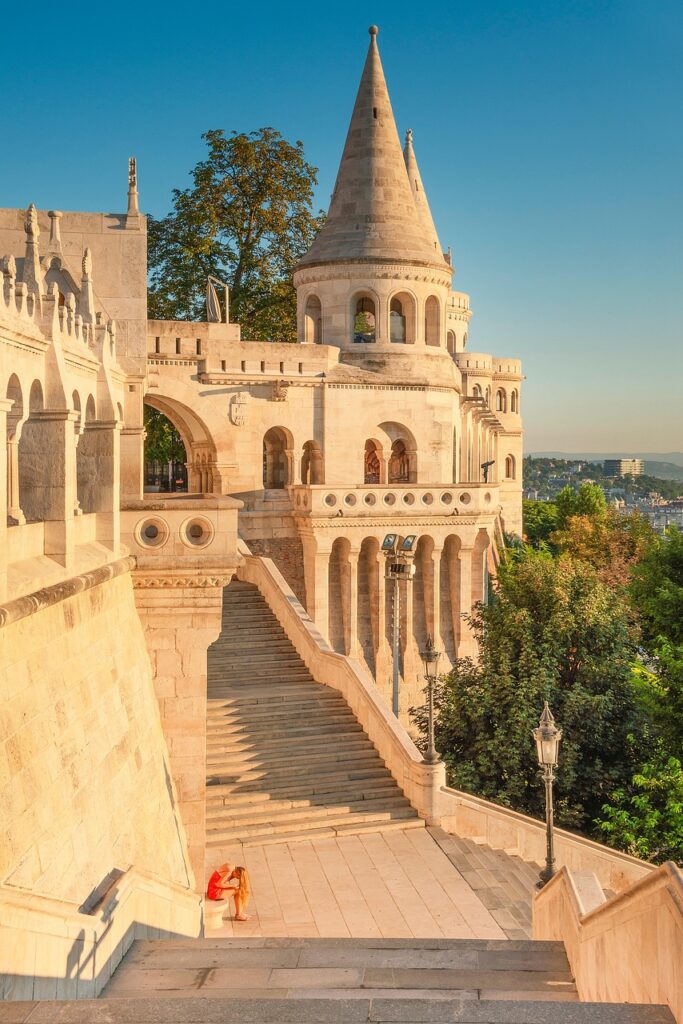
Nearby are two must-see spots: Fisherman’s Bastion (Halászbástya), address: Szentháromság tér, 1014 Budapest, with turrets and terraces overlooking the Danube and Parliament. Access: outdoor terraces open 24/7; some observatory sections may charge a small fee (about €1–3 per entry, variable). The sunset view from the terrace is one of the most photographed in Budapest. Right beside it, Matthias Church (Mátyás-templom / Matthias Church), address: Szentháromság tér 2, 1014 Budapest. Opening hours: generally 09:00–17:00 for visitors; religious services may limit access. Entry fee: around €4–6 (1,500–2,500 HUF).
Practical tips for Day 1: arrive early at Parliament to avoid crowds, or book a timed ticket online. In Buda, consider walking up from the Chain Bridge if you’re fit — the path offers progressive views — otherwise take the Budapest funicular (Budavári Sikló), lower station address: Clark Ádám tér 1, 1013 Budapest. Funicular fare: about €1.50–2.50 round trip (600–1,000 HUF). Wear comfortable shoes — cobblestones and stairs are common. For food, try cafés and restaurants around Szentháromság tér for traditional Hungarian dishes like goulash and paprika-based specialties.
Suggested route and timing
- Morning: Parliament tour (2 hours).
- Late morning: walk along the Danube, cross the Chain Bridge.
- Lunch in Pest (Central Market Hall recommended: Vámház krt. 1–3, 1093 Budapest). Meal prices: €4–12.
- Afternoon: head up to Buda — Buda Castle, Fisherman’s Bastion, Matthias Church (3–4 hours).
- Evening: dinner in the Castle District or return to Pest for a restaurant in the Jewish Quarter.
2. Day 2 — Thermal baths, Central Market and the lively Jewish Quarter
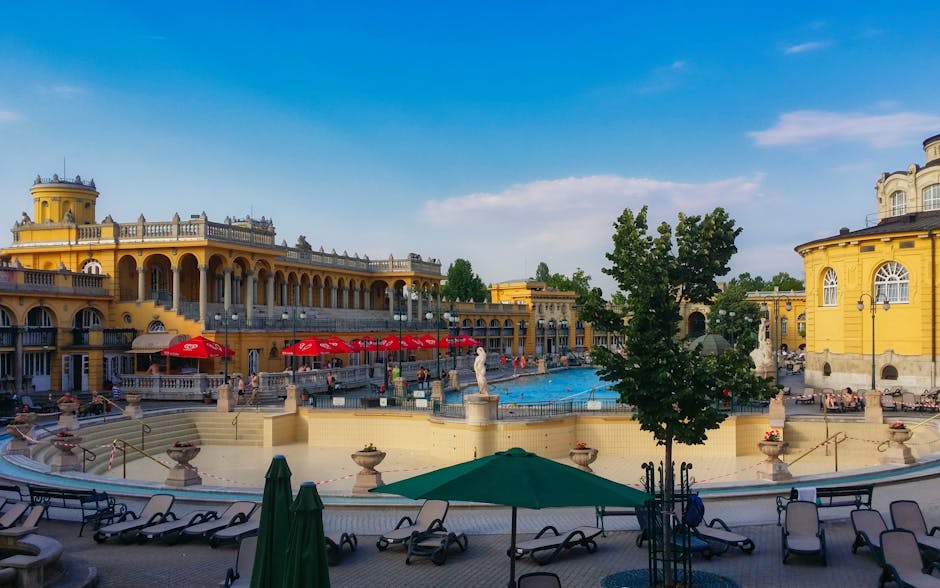
Budapest is famous for its baths, a tradition dating back to Roman times and reinforced during the Ottoman era. For a first-timer, head to Széchenyi Thermal Bath (Széchenyi Gyógyfürdő és Uszoda), address: Állatkerti krt. 9-11, 1146 Budapest. Hours: generally 06:00–22:00 (times may vary; some pools open later). Price: entry about €18–25 depending on day and season (6,000–8,000 HUF); cabin/locker and towel rental not included (cabins around €5–8, towel €3–5). Széchenyi is the city’s largest thermal complex: several outdoor and indoor pools, saunas, whirlpools and pools at different temperatures. The outdoor experience in winter, with steam rising, is especially memorable.
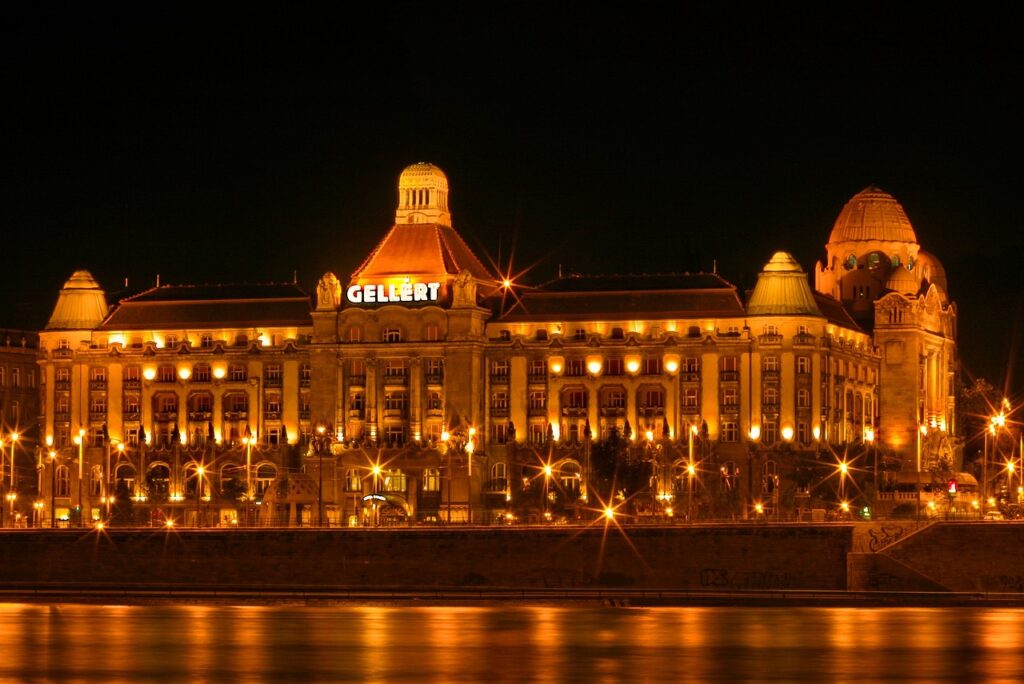
Another, more Art Nouveau and intimate option is Gellért Thermal Bath (Gellért Gyógyfürdő), address: Kelenhegyi út 4, 1118 Budapest (part of the Gellért Hotel, on the Buda side). Hours: typically 06:00–20:00 or 07:00–19:00; check seasonally. Price: about €12–18 (4,000–6,000 HUF); additional spa services cost extra. Gellért charms with ornate interior mosaics, columns and marble floors — perfect for a more “historic” experience.
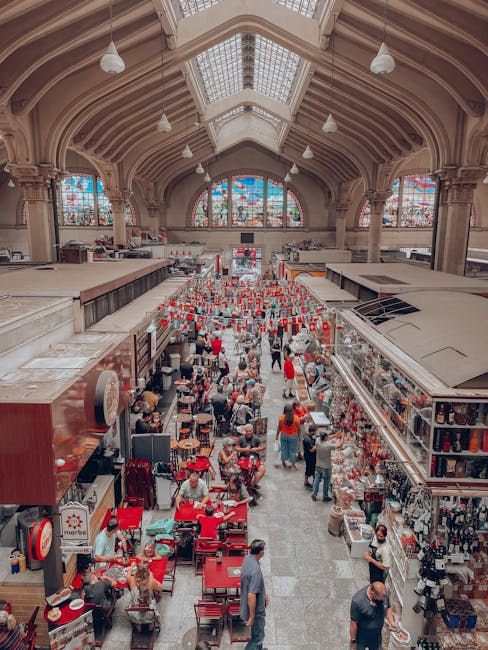
After a morning at the baths, head to the Central Market Hall (Nagyvásárcsarnok), address: Vámház krt. 1–3, 1093 Budapest. Hours: generally 06:00–17:00 (closed on some public holidays). Price: free to enter, but expect to pay for purchases and tastings. This large covered market is ideal for sampling specialties: Hungarian sausages (kolbász), paprika, strudel and local wines. The upper level has food stalls where a meal costs about €4–12 — perfect for a quick, tasty lunch.
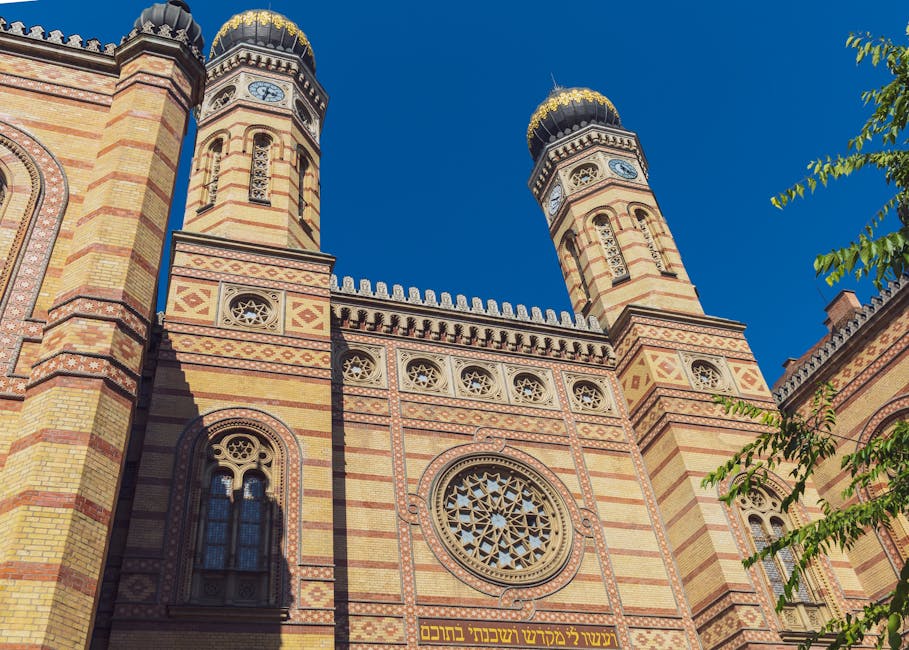
The afternoon is devoted to the Jewish Quarter (District VII / Erzsébetváros), the heart of Budapest’s nightlife and cultural scene. Central area: Kazinczy utca and surroundings, 1075 Budapest. Don’t miss the Great Synagogue of Budapest (Dohány Street Synagogue, Magyar Zsidó Múzeum és Levéltár), address: Dohány u. 2, 1074 Budapest. Hours: guided visits roughly 10:00–16:00; price: €10–15 (3,500–5,000 HUF). It’s the largest synagogue in Europe and the adjacent Jewish Museum tells the history of Hungary’s Jewish community.
Then explore the ruin bars — bars set in old courtyards and derelict buildings repurposed into alternative hangouts. The most famous is Szimpla Kert, address: Kazinczy u. 14, 1075 Budapest. Hours: 10:00–02:00 or later depending on the night. Prices: drinks €3–8. These spots are perfect for a pre-dinner drink or a lively night out after a day of sightseeing.
Practical tips for Day 2: for baths, book Széchenyi tickets online, especially on weekends. Bring non-slip sandals and a towel (rentals available). At the Central Market, avoid the lunchtime rush for a more relaxed visit. In the Jewish Quarter, respect places of worship and consider guided tours to better understand the complex history of the Hungarian Jewish community.
3. Day 3 — Danube walks, the basilica, performances and tasty detours
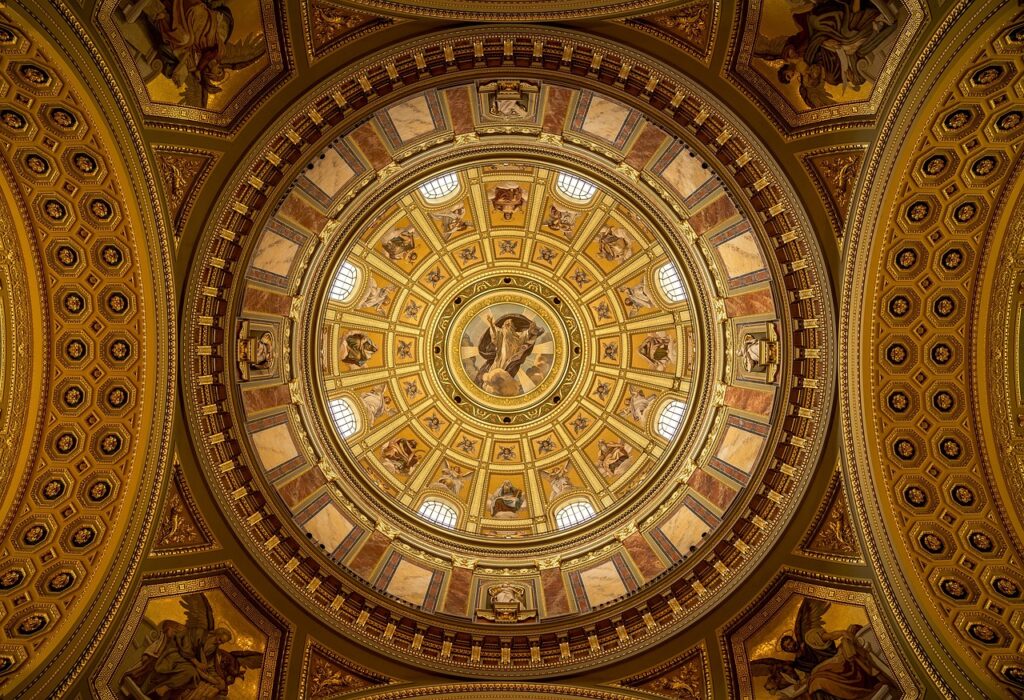
To wrap up your stay, dedicate the third day to walks, lesser-known viewpoints and a few cultural treats. Start at St. Stephen’s Basilica (Szent István Bazilika), address: Szent István tér 1, 1051 Budapest. Hours: generally 09:00–17:00 for visitors; masses and services may limit access. Price: free to visit the nave, access to the dome viewpoint about €2–5 (700–1,500 HUF). The basilica houses the mummified right hand relic of King Saint Stephen (the Holy Right — « Szent Jobb »). Climb the dome for a 360° view over the city.
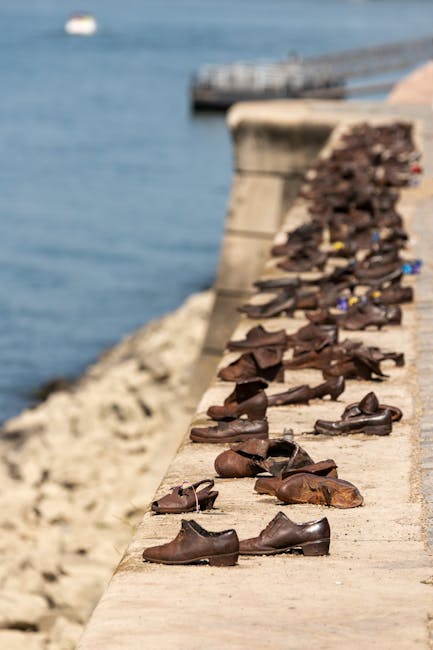
Then take a stroll along the Danube on the Pest side: wander the EuroVelo paths and quays, and stop at the Shoes on the Danube Bank memorial, address: Id. Antall József rakpart, 1054 Budapest. This powerful memorial honors Jewish victims shot into the river during WWII. It’s a sober, moving site; access is free and open 24/7.
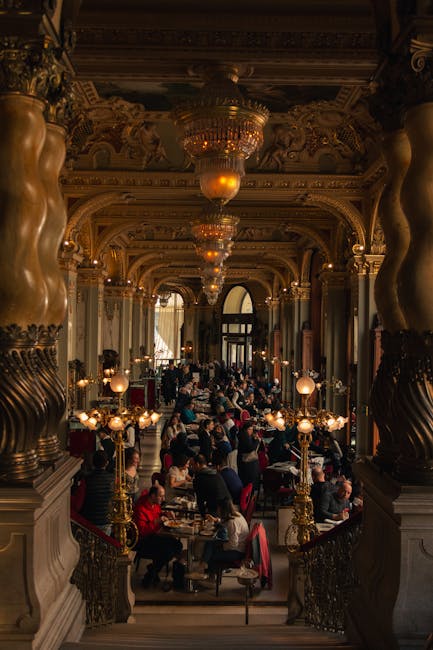
For a culinary break, return to the Great Central Market to pick up local products or have coffee at one of the city’s historic cafés, such as the New York Café (New York Palace, Boscolo Budapest), address: Erzsébet krt. 9, 1073 Budapest. Hours: café typically 09:00–23:00. Prices: drinks €5–12 depending on choice. The lavish décor is perfect for a Belle Époque experience.
Late afternoon, consider a Danube cruise: several companies offer one-hour trips or dinner cruises. One frequent operator: MS Anna Cruises, boarding near Vigadó tér, 1051 Budapest. Hours: daytime and sunset cruises; price: €10–30 depending on duration and package (3,000–10,000 HUF). The view of the Parliament lit up from the river is unforgettable.
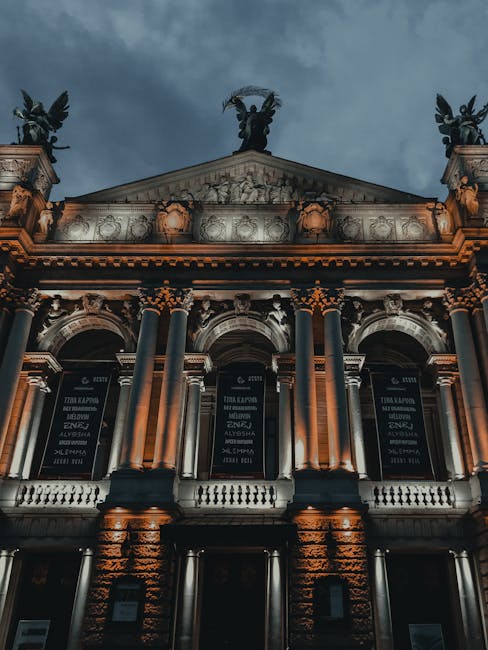
For the evening, book a performance at the Hungarian State Opera House (Magyar Állami Operaház), address: Andrássy út 22, 1061 Budapest. Performances usually start around 19:00–20:00; prices: €8–60 depending on seats (2,500–20,000 HUF). If you prefer contemporary music, check city venues for concerts or traditional Roma music nights at specialised restaurants.
Practical tips for Day 3: book opera or cruise tickets in advance, especially in high season. For free viewpoints, Gellért Hill (Citadella, address: Gellérthegy, 1118 Budapest) offers a commanding panorama; access is free but the climb is steep (allow 30–45 minutes on foot). Trams 2 and 4/6 are handy for riverside travel and quick connections to sights. Finally, try local pastries (pogácsa, rétes) and Hungarian coffee — a sweet way to finish your stay.
General practical suggestions
- Currency: Hungarian Forint (HUF). Many places accept cards, but carry cash for small shops and markets.
- Transport: Budapest Card (if you want free or discounted museum entry) or buy single tickets at metro/tram machines. Single ticket: around €1 (350 HUF).
- Safety: Budapest is generally safe; watch your belongings in very touristy areas.
- Opening hours: many cafés open early (~07:00); museums 10:00–18:00; always double-check online for public holidays.
Conclusion — Pace your trip and take Budapest essentials home with you
In three days in Budapest you’ll have time to see the city’s landmarks, enjoy the thermal ritual that defines it, and wander deliberately through characterful neighbourhoods: the Royal Palace and its views, the opulence of Parliament, the steaming pools of Széchenyi and Gellért for relaxation, and the Jewish Quarter for nightlife and memory. The suggested itinerary aims to balance cultural visits, downtime and walks, while leaving room for culinary pleasures from Hungarian cuisine. Each day follows a clear thread: monuments and viewpoints, baths and local quarters, riverside walks and cultural experiences. If you prefer to take it slower, apply a “pick and choose” approach — every spot is rich enough to warrant more time on a future trip.
Before you leave, remember to check opening hours and book activities that require it (Parliament, popular baths, operas and cruises). Pack comfortable shoes, a towel and sandals for the baths, and a jacket for evenings by the Danube — temperatures can drop even in summer. If you want to extend your stay, day trips from Budapest can take you to Lake Balaton, the baroque town of Eger or the wine hills of Villány.
Budapest charms with contrasts: historical grandeur and alternative vibes, ancient thermal culture and contemporary nightlife. In three well-paced days you’ll leave with striking images — the illuminated Parliament, Széchenyi’s steaming pools, the colourful roofs seen from Fisherman’s Bastion — and a strong desire to come back and explore each facet more deeply. Safe travels and enjoy every moment in the Pearl of the Danube.