





Introduction: understanding Budapest’s microclimates
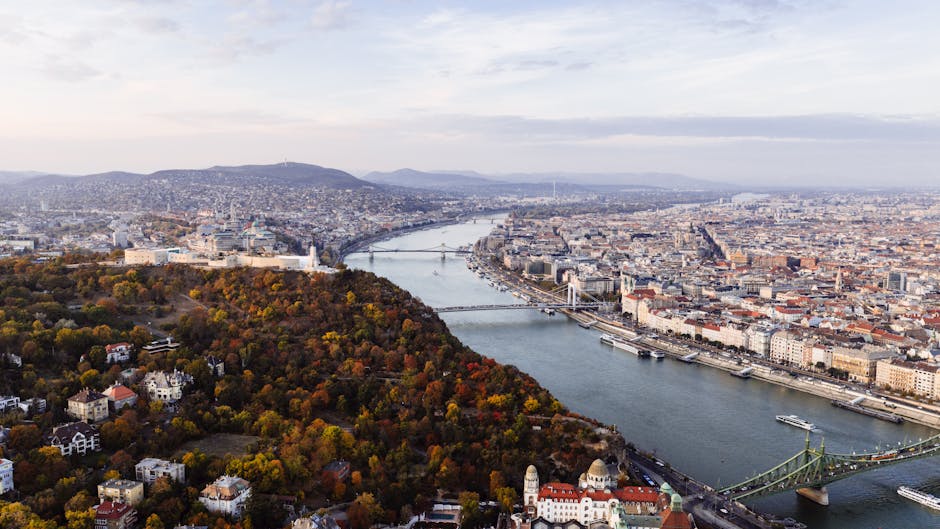
Budapest, Hungary’s vibrant capital, isn’t a single meteorological zone. The city stretches on both sides of the Danube, separating two distinct urban microclimates: Buda (the hilly, west bank) and Pest (the flat, densely built east bank), while the river itself plays a crucial climatic role. Grasping these microclimates helps you plan more comfortable visits — which neighborhood is best for hiking, where to seek a thermal bath when it’s chilly, or the best time to book a Danube cruise — and also helps you appreciate the landscape and architectural contrasts that make Budapest so charming.
On the Buda side, the Buda Hills raise the local elevation, creating temperature differences, extra sun on south-facing slopes and cooler pockets in valleys and woodlands. The wooded slopes attract birdlife and have well-draining soils that affect local humidity; thermal springs and karst caves add another layer of climatic uniqueness. By contrast, Pest is a broad urban plain where asphalt, buildings and traffic create an urban heat island: warmer nights, reduced winds and concentrated pollution during calm high-pressure spells. The Danube — wide and winding — brings humidity, cooling breezes and morning fog banks, all of which modulate temperature and visibility along the riverbanks.
This detailed overview explains how those elements interact daily and seasonally: the influence of modest but meaningful elevations in Buda, the impact of urbanization and traffic in Pest, and the Danube’s role as a thermal moderator and moisture source. I’ll point out specific spots — from Buda Castle (Budai Vár) and Fisherman’s Bastion to Kossuth Square and iconic baths like Széchenyi and Rudas — giving exact addresses, approximate prices in euros, typical opening hours, immersive descriptions and practical tips for each microclimate. You’ll also find advice on tailoring your visits to the local weather: where to catch winter sunshine in Buda, which old café in Pest to choose on a hot, humid day, and how the Danube transforms the mood at dawn.
Before we dive in, a quick heads-up: entrance fees, opening times and access conditions change. Prices shown here are estimates in euros based on recent levels; always check official websites before you go. This guide aims to give you a clear, usable picture of Budapest’s urban climate so you can make the most of walks, thermal baths, panoramic climbs and urban hikes.
Buda: hills, cool nights and historic thermal baths
Buda, occupying the west bank of the Danube, is defined by gentle heights: Gellért Hill (Gellért-hegy), the Castle Hill (Budai Vár) and other rises that create welcome microclimates. South-facing slopes soak up more winter sun, offering surprisingly mild pockets for cold-season walks. The limestone soils drain quickly after rain, meaning some streets and trails become passable sooner than in Pest. Urban forests — notably on the slopes of Hármashatár-hegy — help keep temperatures lower in summer and deliver cleaner air, perfect for hiking and birdwatching.
Climate-related and practical highlights:
- Budai Vár (Buda Castle) – Address: Szentgyörgy tér 2, 1014 Budapest. Gardens and terraces are free to access; the Budapest History Museum (Budapest Történeti Múzeum) entry around €8–10 (roughly 3,000–4,000 HUF). Opening hours: typically Tue–Sun 10:00–18:00; closed on Mondays. The castle’s elevated position catches breezes and offers south-facing sun exposure that’s especially pleasant in winter.
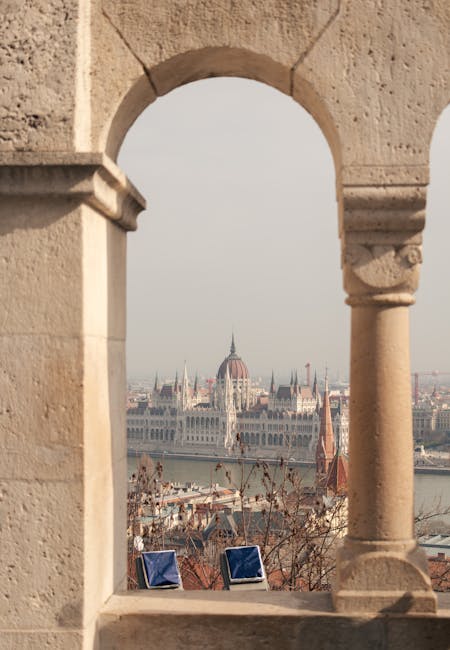
- Halászbástya (Fisherman’s Bastion) – Address: Szentháromság tér 5, 1014 Budapest. Access to the bastions is free; some towers have paid access around €2–5. Open year-round with public areas accessible 24/7. Great at sunrise and sunset to avoid river winds.
- Gellért Thermal Baths (Gellért Gyógyfürdő és Uszoda) – Address: Szent Gellért tér 1, 1111 Budapest. Prices: day entry about €18–25 depending on options (pools, sauna, massages). Opening hours: generally 06:00–20:00; check the website. The baths are fed by thermal springs, offering steady warmth that contrasts strongly with the cool hill air.
- Rudas Baths (Rudas Gyógyfürdő) – Address: Döbrentei tér 9, 1013 Budapest. Price: €12–20; late-night baths (Fri/Sat) sometimes until 01:00. Hours: daytime baths 06:00–22:00, special night sessions until 01:00 depending on season. The Ottoman-style atmosphere and elevated pools make the thermal experience even more immersive in a warm, humid microclimate.
Local tips for Buda:
- In summer, choose Buda’s wooded sections and trails to escape Pest’s afternoon heat; bring water and a hat — some slopes offer little shade.
- In winter, head for the castle’s south terraces or the Fisherman’s Bastion to catch the sun and enjoy a mild microclimate; thermal baths are perfect after a chilly stroll.
- For wind-protected panoramas, plan sunrise photos at Fisherman’s Bastion when the Danube is calm and the light is soft.
Pest: urban plain, heat island and historic cafés
Pest is the flat, densely built side of Budapest: wide boulevards, grand apartment blocks and busy public spaces. This layout amplifies the urban heat island effect — especially in summer, nights stay noticeably warmer than on the Buda side. Urbanization also raises particle and ozone concentrations during still days. Green spaces like Városliget (City Park) and Margaret Island break up the built fabric and create refreshing pockets — perfect escape routes from the city heat.
Landmarks and practical info:
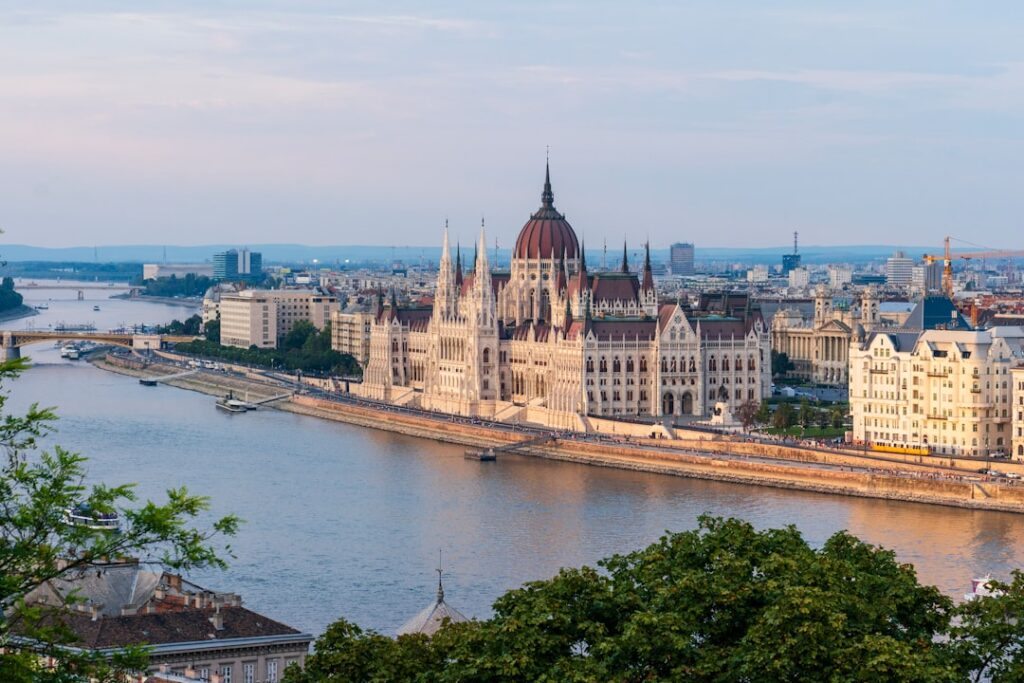
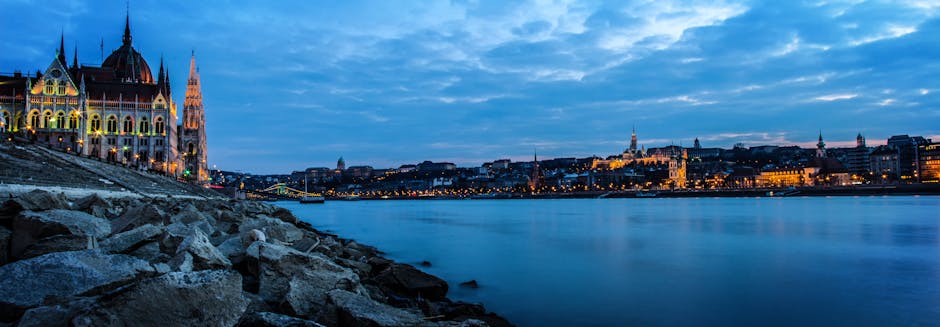
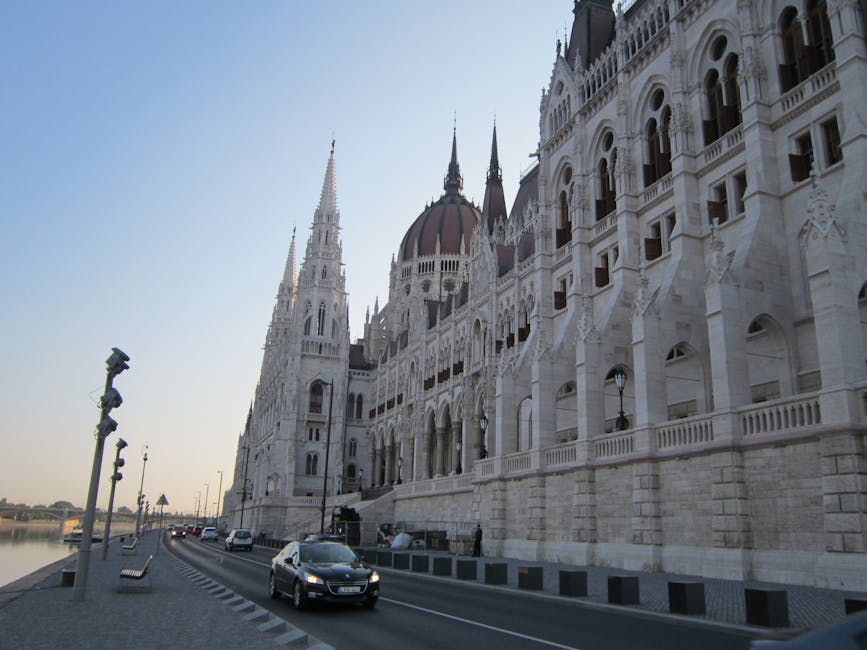
- Hungarian Parliament Building – Address: Kossuth Lajos tér 1-3, 1055 Budapest. Guided tours cost about €10–15; hours typically Tue–Sun 08:00–18:00 (last entry varies); closed on some holidays. Sitting at the river edge, the building benefits from relative coolness thanks to the Danube breeze.
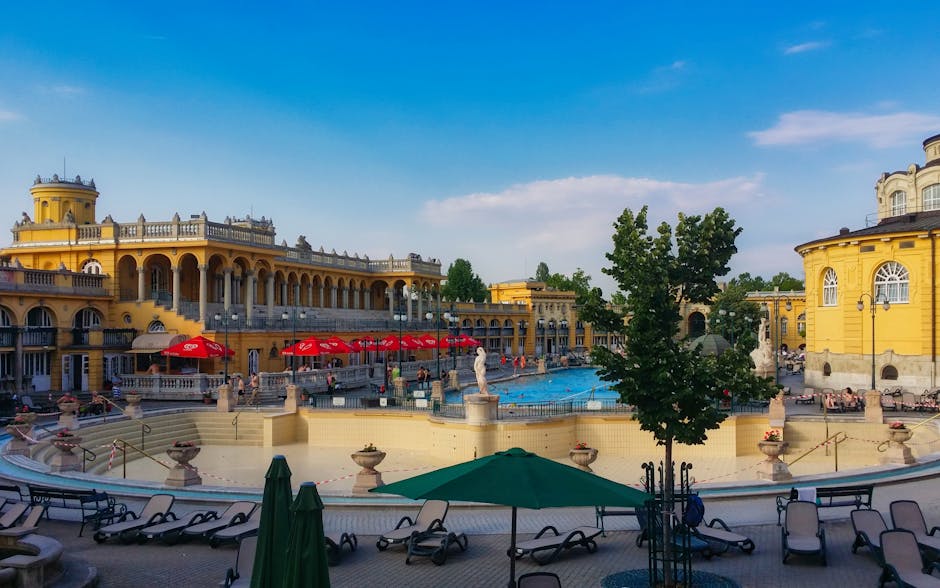
- Széchenyi Thermal Bath (Széchenyi Gyógyfürdő) – Address: Állatkerti krt. 9-11, 1146 Budapest (Városliget / City Park). Prices: day entry about €18–25; hours usually 06:00–22:00. This large complex in the park is a winter warm oasis and a convivial place to cool down in spring and autumn.
- Váci utca (shopping street) – Address: Váci utca, 1052 Budapest (pedestrian). Open 24/7 (shops have variable hours). Often hotter and livelier; visit in the morning or evening for more comfortable temperatures.
- Margaret Island (Margitsziget) – Address: Margitsziget, 1024 Budapest (island between Margit and Árpád bridges). Free access; paid attractions like the small train or the Japanese garden €2–5. Park open 24/7, attractions seasonal. The island is a major cooling corridor for Pest, with lawns and shaded paths.
Practical tips for Pest:
- During heatwaves, schedule museums and indoor visits (Hungarian National Museum, Museum of Fine Arts) during the hottest hours and save riverside walks for mornings or evenings.
- Favor Margaret Island and City Park for nature breaks; vegetation can drop the temperature a few degrees compared to main streets.
- If urban air bothers you, opt for air-conditioned historic cafés — for example Café Gerbeaud (Vörösmarty tér 7-8, 1051 Budapest) — for a cool, sweet pause between visits.
The Danube: thermal moderator, morning mists and wind corridors
The Danube is more than a visual landmark; it’s a major climatic agent for Budapest. The river affects daytime and nighttime temperatures, supplies moisture, generates local breezes and fosters morning fog — especially during seasonal transitions (spring and autumn). The riverbanks are often cooler in the afternoon when breezes blow from the water toward the city; conversely, during temperature inversions the river can be cloaked in dense fog that reduces visibility and intensifies the chill.
Danube-related spots and activities:
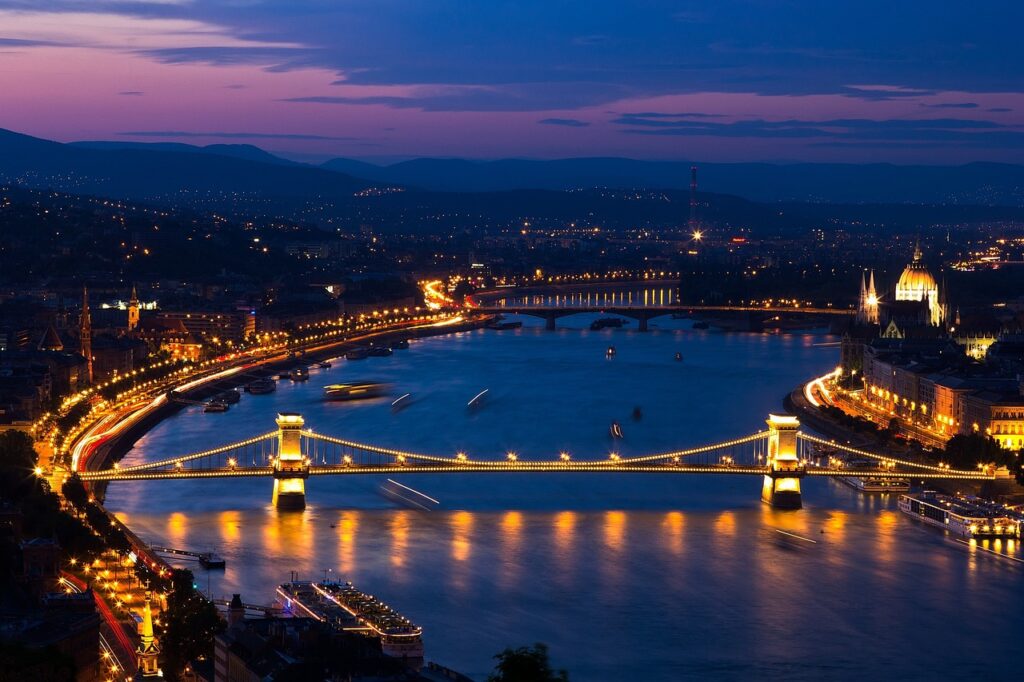
- Chain of Bridges – Széchenyi Lánchíd (Chain Bridge) – Address: Széchenyi István tér, 1051 Budapest. Pedestrian access 24/7. The bridge is a great vantage point to feel the river breeze and watch fog capsules hovering over the water at dawn.
- Danube Promenade – Address: Belvárosi Duna-sétány, 1052 Budapest. Free access. Ideal for morning walks: cafés and restaurants open early, and the river’s coolness makes summer strolls more pleasant.
- Danube cruises – Frequent departures from docks near the Parliament and by Margit Bridge. Prices: basic tours €10–20 for about an hour; dinner cruises €35–60. Times: mornings, afternoons and evenings depending on the operator. Cruises at sunrise are highly recommended when the mist gives the river a mystical atmosphere.
Practical advice for the Danube:
- For photographers, early morning and the golden hour at dusk provide the best conditions: calm winds can flatten the water and create perfect reflections of Pest’s façades.
- If you plan a water activity, check local forecasts: river levels and currents vary and can affect boat excursions.
- In winter, wear a windproof coat along the quays: the Danube breeze can make it feel colder, even when city temperatures seem moderate.
Seasonal adaptation and logistical tips to make the most of your stay
Budapest’s microclimates shift with the seasons, and adapting is the key to a great trip. In spring, days can be mild but mornings foggy along the Danube — bring a light layer and a windbreaker. In summer, Pest heats up considerably; favor morning walks under the shade of Margaret Island or parks, and plan indoor visits for peak heat hours. Autumn is ideal for thermal baths and Buda hikes, though damp mornings call for slip-resistant shoes. In winter, thermal springs offer a warm contrast: Gellért and Széchenyi are highly recommended after a crisp riverside walk.
Practical and logistical tips:
- Transport: the public network (metro, tram, bus) covers both banks well. Single ticket: about €1.10–1.50; day passes and multi-ride tickets available (24h pass roughly €5–7). Check time stamps and always validate your ticket.
- Clothing: layer up, bring sturdy walking shoes for Buda, and a waterproof windbreaker for walks along the Danube; weather can shift quickly, especially near the river and on the hills.
- Booking: for baths (Széchenyi, Gellért, Rudas) and Parliament tours, book online to skip queues. Prices in this guide are estimates in euros; consult official sites for up-to-date confirmation.
- Health: if you have cardiovascular issues, seek medical advice before using thermal baths — hot water and thermal contrasts can be demanding.
Remember: microclimates are more than weather stats — they shape the tourist experience. They decide the best time for a photo at Fisherman’s Bastion, which terrace is nicest in summer, and when a thermal dip becomes a comforting ritual. By knowing where the sun warms, where the water cools, and how the city breathes between its hills and river, you’ll turn a standard Budapest visit into an experience perfectly synced with local climate rhythms.
Conclusion: reading Budapest through its microclimates
Budapest reads like a living weather map: Buda offers cool summers and sunny winter slopes, Pest holds onto urban heat and air-conditioned cafés, and the Danube ties everything together with breezes and mists that give the city its unique atmosphere. Learning to recognize these microclimates will help you fine-tune your itinerary — pick the right thermal bath, the perfect time to photograph the Parliament, the best walk to escape the heat or to enjoy autumn colors. The practical addresses and details provided (Budai Vár, Halászbástya, Gellért Gyógyfürdő, Rudas Gyógyfürdő, Hungarian Parliament, Széchenyi Gyógyfürdő, Margitsziget, and more) give you concrete reference points: know where to go and why depending on the weather.
Beyond practicalities, these microclimates contribute to Budapest’s identity: they influence the rhythm of terraces, the layout of gardens and residential areas, and even the culture of bathing. For the savvy traveler, matching activities to local conditions adds comfort and depth to your experience. Always check opening hours and prices before you go — the euro estimates here should be verified — and consider booking popular attractions in high season. And above all, listen to locals: a tip about the best time to climb to Fisherman’s Bastion or the quietest pool at the baths can make all the difference.
In short: head to Buda for panoramas and cool trails, explore Pest for urban life and refreshing parks, and let the Danube set the pace for your days. With a little preparation, you’ll enjoy Budapest to the fullest, discovering microclimates that each tell a bit of the city’s story and character.