





Introduction — Budapest: a month-by-month guide to temperatures and activities
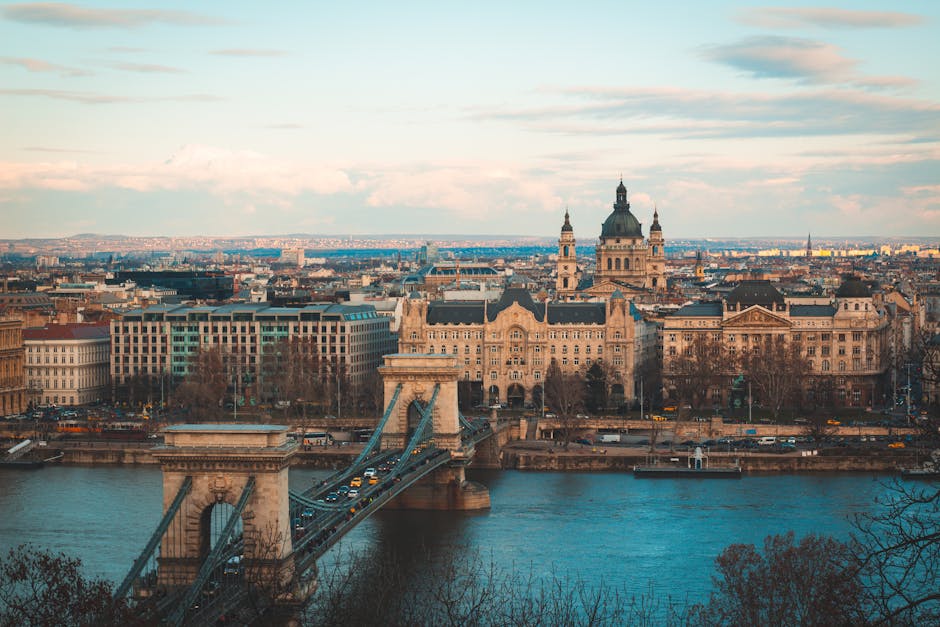
Budapest, Hungary’s vibrant capital, is a year-round destination thanks to its shifting climate and nearly endless cultural offerings. Straddling the Danube, the city unites historic, hilly Buda with the lively flatlands of Pest. Whether you love thermal baths, neo-classical architecture, curious cuisine, or urban hiking, Budapest’s seasonal variations shape what to see and do. This month-by-month guide will help you plan by giving clear averages for temperatures, weather-appropriate highlights, exact addresses, typical opening hours, prices in euros (estimates based on approximate exchange rates), and local tips to make the most of your visit.
In winter the city dresses in Christmas markets and warm nights in the baths, while spring brings parks and terraces back to life. Summer means outdoor festivals, Danube cruises and city swims; autumn paints Gellért Hill and City Park (Városliget) in golden hues. Each month has its charms and constraints: minimums close to 0 °C in January, highs above 30 °C in July, and pleasant shoulder seasons in April/May and September/October. For each period we’ll list can’t-miss activities (thermal baths, museums, walks, markets, festivals), precise locations with addresses (for example Széchenyi Thermal Bath, Állatkerti körút 9-11, 1146 Budapest), typical hours, prices in euros, and practical tips (how to buy transport tickets, avoid crowds, where to try traditional dishes like goulash).
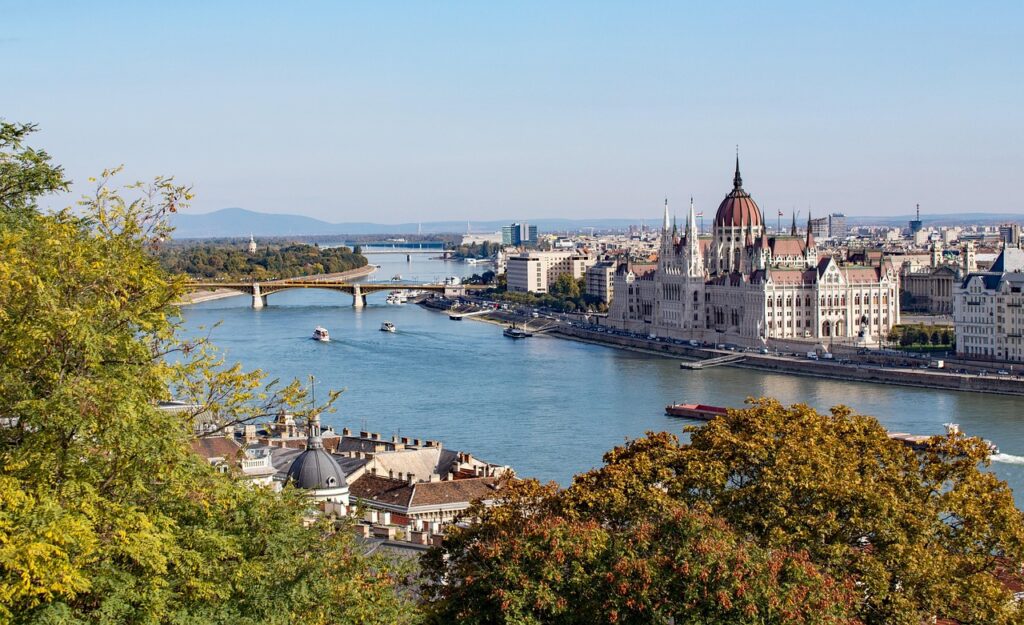
This guide is designed to be practical and comprehensive: it includes recommendations for all types of travellers, from families to backpackers, couples and seniors. You’ll find information on combined tickets, tips for visiting popular landmarks like the Hungarian Parliament Building (Kossuth Lajos tér 1-3, 1055 Budapest) and St. Stephen’s Basilica (Szent István tér 1, 1051 Budapest), suggestions for the best sunset spots (for example from Fisherman’s Bastion, Szentháromság tér, 1014 Budapest) and alternatives if it rains. Prices are estimates in euros; keep in mind rates can fluctuate and the local currency is the Hungarian forint (HUF).
January – February: Harsh winter, hot baths and lingering Christmas markets
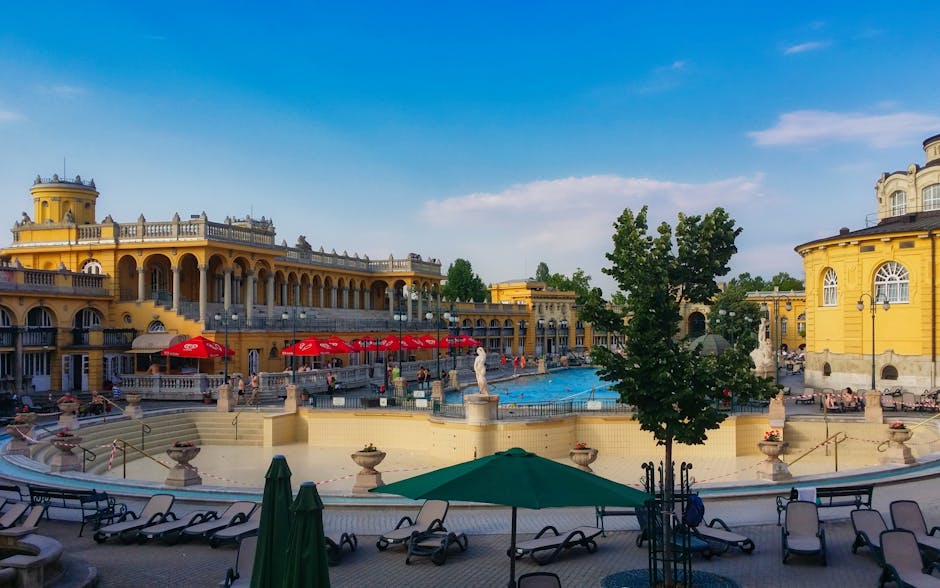
In January and February, Budapest is deep into winter. Average temperatures range from -3 °C to 4 °C, with often freezing nights. It’s a perfect time to enjoy outdoor thermal pools where steam meets cold air. The most famous, Széchenyi Thermal Bath (Állatkerti körút 9-11, 1146 Budapest), is open daily—typically from 06:00 to 19:00 for outdoor pools and until 20:00 for indoor facilities; a day ticket costs around €20–€25 (approx. 7,000–8,500 HUF depending on season and services). The Gellért Thermal Bath (Szent Gellért tér 1, 1111 Budapest) offers an Art Nouveau experience, usual hours 06:00–20:00, with tickets about €18–€22.
Christmas markets sometimes stretch into early January. The Budapest Christmas Fair at Vörösmarty Square (Vörösmarty tér, 1051 Budapest) may still have chalets and winter treats (mulled wine, lángos). After the holidays, small seasonal ice rinks and local markets can still be found, such as the temporary rink in City Park (Városliget) near the Széchenyi Zoo & Botanical Garden (Állatkerti körút 6-12, 1146 Budapest).
Recommended activities: visit the House of Terror (Andrássy út 60, 1062 Budapest) to learn about the turbulent 20th-century history (open 10:00–18:00, ticket ≈ €6–€9), take a short winter Danube cruise (departures from Dock 7, Vigadó tér, tickets ≈ €10–€20 depending on duration), or enjoy a concert in St. Stephen’s Basilica (Szent István tér 1, 1051 Budapest; concerts often at 19:00–20:00, tickets ≈ €10–€30 depending on seating).
Local tips: dress in layers, bring slip-resistant shoes (ice can form on cobblestones) and book popular baths and weekend concerts in advance. Public transport remains reliable in winter: a single ticket costs about €1.10 (≈350 HUF); consider a 24- or 72-hour pass (≈ €5–€12) if you plan heavy sightseeing.
March – May: Spring and the revival of parks, terraces and city hikes
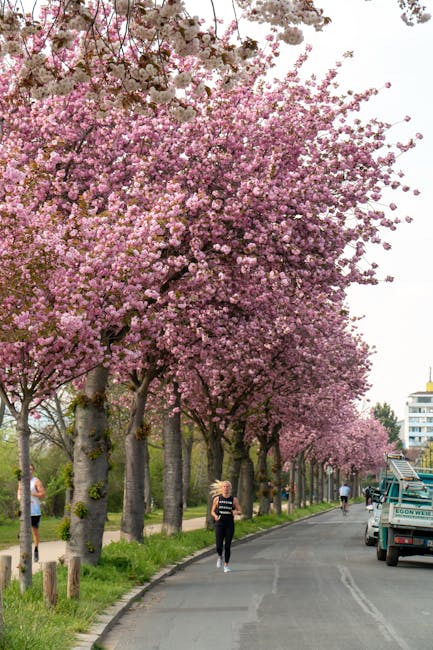
From March to May, Budapest awakens: temperatures rise from 5–15 °C in March to 15–25 °C in May, making walks and outdoor activities especially pleasant. This is the best time to explore Buda’s hills, parks and farmers’ markets. The Central Market Hall (Nagyvásárcsarnok) (Vámház krt. 1-3, 1093 Budapest) is perfect for sampling local specialties: a goulash dish inside the hall costs between €4–€8, a plain lángos ≈ €2.50–€4. Hours: typically 06:00–18:00 on weekdays and shorter hours on Sunday (usually closing around 14:00).
Days grow longer and terraces open up. Head to Ruin Bar Szimpla Kert (Kazinczy utca 14, VII. district, 1075 Budapest) for an alternative vibe—open from 10:00 until late (nights can be lively), drinks ≈ €3–€7. For panoramic views, go to Fisherman’s Bastion (Szentháromság tér, 1014 Budapest): much of the terrace is free, while the central tower may charge a small entrance fee ≈ €3–€5.
Spring also means festivals: the Budapest Spring Festival (dates vary, generally March–April) offers classical concerts, theatre and dance. Expect to book tickets in advance (prices vary, main concerts ≈ €15–€60). The Danube banks are perfect for cycling—bike rental roughly €6–€12 per day. Recommended walks: cross the Széchenyi Chain Bridge (Széchenyi Lánchíd) toward Gellért Hill for the panorama from the Citadella (address: Gellérthegy, 1118 Budapest). Park and viewpoint access is free; small museums/monuments at the Citadella operate seasonally.
Local tips: favor mornings for museum visits (fewer queues) and afternoons for strolling in green spaces like Margaret Island (Margitsziget). Buy Parliament tickets (Hungarian Parliament Building, Kossuth Lajos tér 1-3, 1055 Budapest) online to avoid long lines: guided tours ≈ €10–€25 depending on language and availability; guided tour hours vary (often 08:00–16:00).
June – August: Full summer, festivals, cruises and lively nightlife
Summer in Budapest is warm and lively: temperatures usually range between 20 °C and 32 °C, with occasional peaks over 35 °C. It’s high tourist season—perfect for music festivals, evening Danube cruises, and pool parties. The Sziget Festival (Hajógyári-sziget, Óbuda) typically takes place in August: this major event has widely varying ticket prices (day tickets ≈ €40–€80, week passes ≈ €150–€350 depending on accommodation and add-ons).
Water activities and cruises are in high demand. A romantic dinner cruise on the Danube (often leaving near Vigadó tér / Dock 7) costs ≈ €30–€60 per person depending on duration and included meal; 1-hour sightseeing cruises are around €10–€15. To cool off, the outdoor Lupa Beach (Lupa-sziget, address: Lupa-sziget, 2151 Fót near Budapest) and public pools charge daily rates ≈ €6–€12.
Summer is also rooftop terrace season and home to pop-up bars. Try the 360 Bar (Andrássy út 39, 1061 Budapest) for a cocktail with a view; open 12:00–02:00, cocktails ≈ €8–€12. Museums remain open but book ahead: the Hungarian National Gallery (Szent György tér 2, 1014 Budapest — located in the Buda Castle complex) hosts exhibitions with entry ≈ €8–€12 and usual hours 10:00–18:00 (closed Mondays).
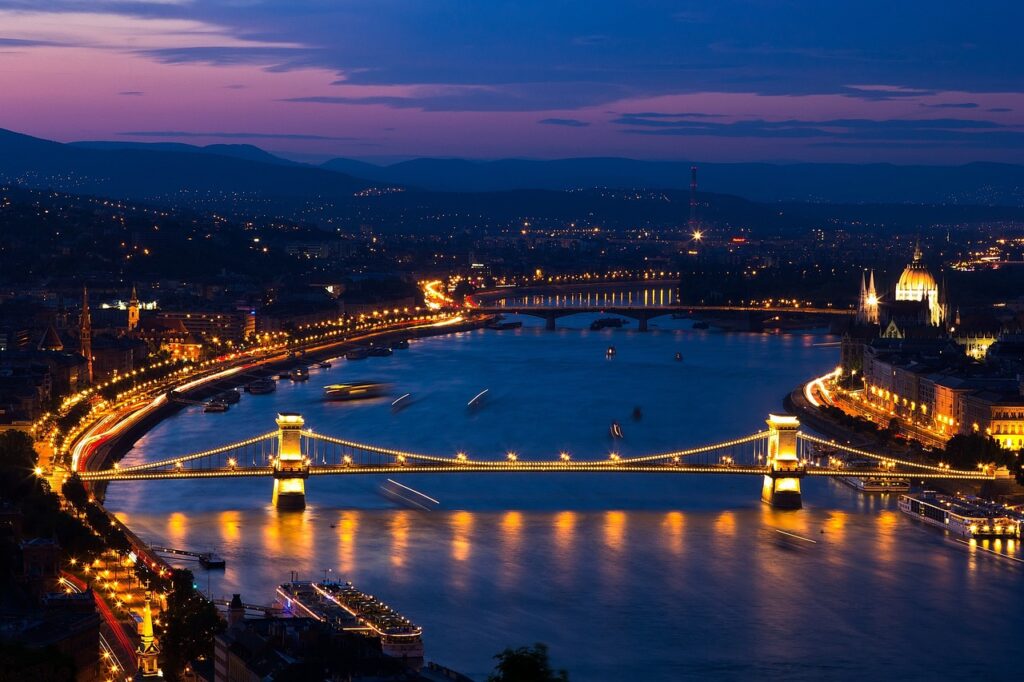
Local tips: book accommodation and key activities (Sziget, cruises, popular museums) several weeks ahead. Bring a reusable water bottle—tap water is potable—and pack light clothing plus a jacket for cooler evenings on the river. Use the tram network (line 2 runs along the Danube) for quick and scenic transport; consider a Budapest Card or multi-day transport pass if you plan to visit many attractions.
September – December: Back-to-school, harvests, autumn colors and winter markets
From September to December, Budapest offers a shifting atmosphere: autumn (September–October) is mild with 10–22 °C, ideal for wandering historic neighborhoods and sampling seasonal dishes like mushrooms and local wines. Nearby vineyards (Etyek-Buda, 20–30 minutes by car) host harvest events and tastings; organized tours usually cost between €30–€70 depending on duration and included tastings.
In November and December, temperatures drop gradually (0–10 °C) as the city gears up for end-of-year festivities. Christmas markets return in late November: Vörösmarty Square (Vörösmarty tér, 1051 Budapest) and the St. Stephen’s Basilica craft market (Szent István tér, 1051 Budapest) offer artisanal goods, street food and entertainment. A hot drink (mulled wine) costs ≈ €2.50–€5, and a street-food meal ≈ €4–€10.
Museums and concert halls kick off their cultural seasons with new exhibitions and event calendars. Symphonic concerts at the Hungarian State Opera House (Andrássy út 22, 1061 Budapest) and at the Palace of Arts (Művészetek Palotája) (Müpa Budapest, Komor Marcell u. 1, 1095 Budapest) are in full swing; opera/concert tickets ≈ €15–€80 depending on seat and event. November is a good time to visit the Great Synagogue (Dohány Street Synagogue) (Dohány utca 2, 1074 Budapest) and the adjoining Jewish Museum (open 10:00–18:00, ticket ≈ €8–€12).
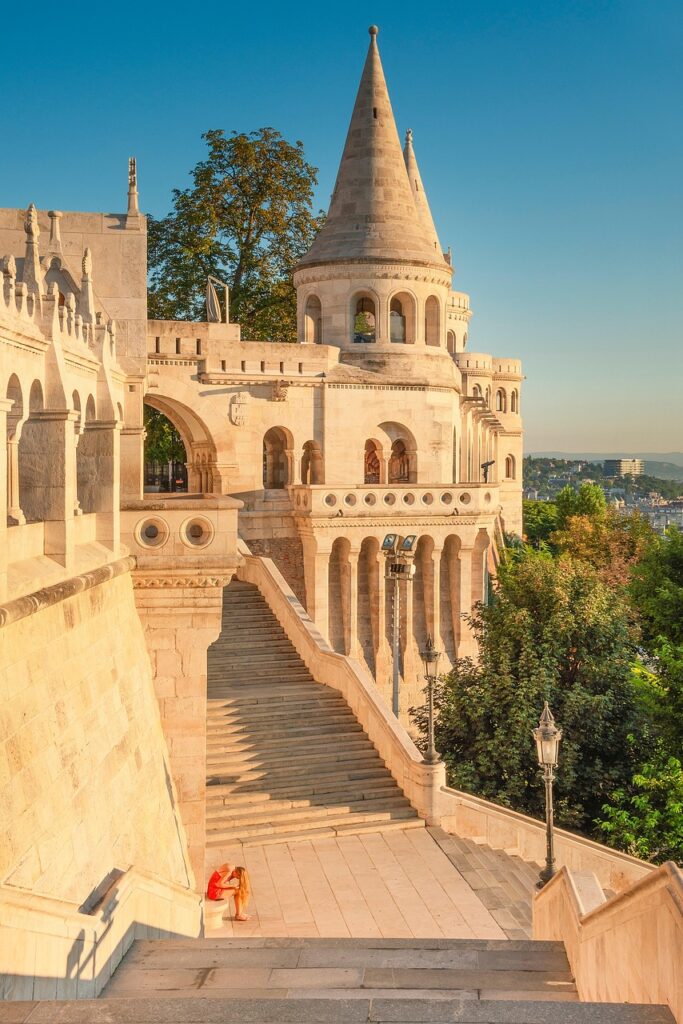
Local tips: autumn brings beautiful colors to Margaret Island and the alleys of City Park—great for photography and late-season picnics. In December, book early for Christmas concerts, ice-skating sessions and New Year’s Eve dinners at traditional restaurants (reservations required for places like Gundel Restaurant, Gundel Károly út 4, 1146 Budapest; festive menus vary ≈ €40–€120).
Conclusion — Plan your Budapest trip by month
Budapest is a fascinating destination year-round, with each season offering unique experiences. Winter invites the warmth of thermal baths and cozy indoor markets, spring reveals parks and terraces, summer overflows with culture and festivals, while autumn charms with colors and harvests. To get the most from your trip, tailor your itinerary to temperatures and crowd levels: book ahead in high season (June–August) and for major events, favor mornings for museums and afternoons for outdoor walks in spring and autumn.
Practical tips: consider a transport pass if you’ll be moving around a lot (single ticket ≈ €1.10, 24-hour pass ≈ €5–€6), exchange a small amount of euros into forints for small purchases (most major venues accept cards), and check official opening hours before you go. For thermal baths, arrive early to avoid crowds and consider renting a locker or a cabin depending on your comfort preferences.
Finally, keep these key addresses in mind: Széchenyi Thermal Bath (Állatkerti körút 9-11, 1146 Budapest) for outdoor pools, the Hungarian Parliament Building (Kossuth Lajos tér 1-3, 1055 Budapest) for architecture, Central Market Hall (Vámház krt. 1-3, 1093 Budapest) for local produce, and Fisherman’s Bastion (Szentháromság tér, 1014 Budapest) for city views. With this month-by-month guide you’ll be ready to pick the timing that best matches your desires—relaxation, culture, partying or nature—and enjoy a city that manages to surprise in every season.