





Introduction: why a Budapest weather guide is essential
Budapest, Hungary’s capital stretched along the Danube, is a city of contrasts: green hills in Buda, wide avenues and Art Nouveau buildings in Pest, and steaming thermal springs at its heart. Those contrasts come with changeable weather that can turn a perfect day into a soggy evening or an oppressively hot slog. Understanding rain cycles, heatwave risks, and spotting the best « weather windows » to explore is essential if you want to get the most out of Budapest—whether you’re planning a romantic city break, a thermal spa getaway, or a business trip.
This weather guide is practical and thorough: it explains the seasons, outlines rainy and stormy periods, covers heatwave episodes, and offers concrete tips to plan visits and activities. You’ll find full addresses for must-see spots—such as Széchenyi Gyógyfürdő (Széchenyi Thermal Bath, Állatkerti krt. 9-11, 1146 Budapest)—opening hours, typical ticket prices in euros, recommendations for adapting your route to the weather, and indoor alternatives if rain or extreme heat strikes.
We’ll also share local tips: when to take refuge with a coffee indoors, which parks are nicest after rain, how to enjoy a thermal bath during a heatwave, and which weather apps provide reliable forecasts for Budapest. Practical details—exact addresses, typical opening hours and approximate entry fees in euros—are included to help you prepare without unpleasant surprises. Finally, sample itineraries tailored to different weather windows will help you get the most from your days: a culture-packed morning, an afternoon at the baths, or evening walks along the Danube.
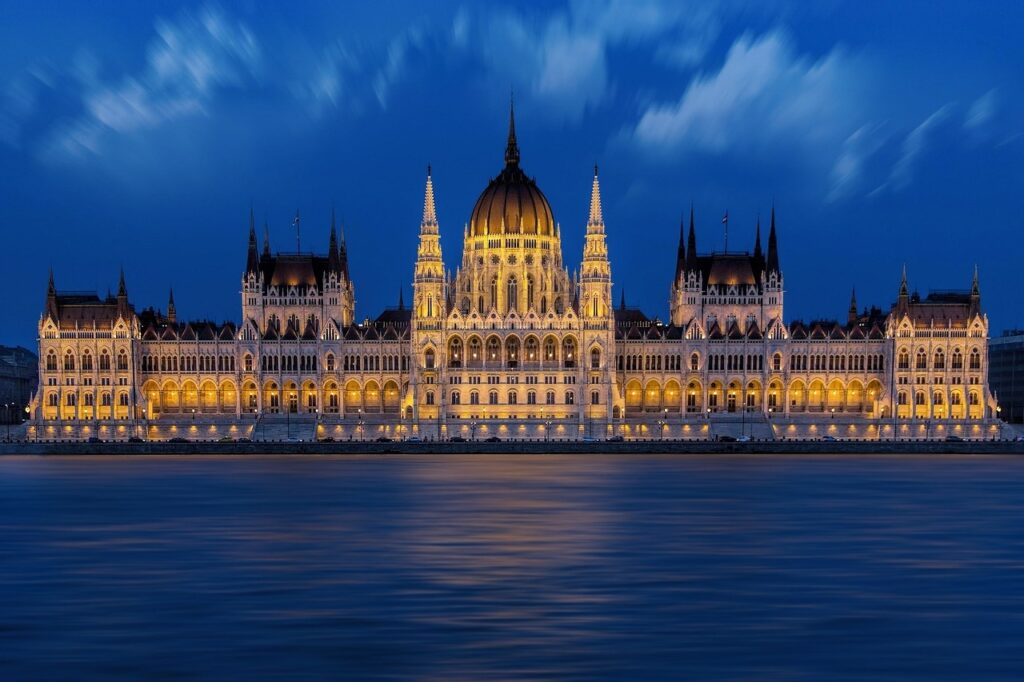
This guide is aimed at a variety of travelers: photographers chasing the soft morning light, families seeking indoor activities during showers, or couples trying to avoid midday heat. It will help you plan visits to St. Stephen’s Basilica (Szent István-bazilika, Szent István tér 1, 1051 Budapest), the Hungarian Parliament (Országház, Kossuth Lajos tér 1-3, 1055 Budapest) and the thermal quarter while taking climate variations into account. You’ll also get practical advice for handling rain (umbrellas, indoor attractions) and heat (hydration, reversed schedules).
Before diving into seasonal details, note that Budapest has a moderately continental climate: cold winters with occasional snow, variable springs and autumns with intermittent showers, and warm summers that can include heatwave episodes. Beyond averages, this guide will give you precise weather windows (short stretches when conditions are generally optimal) and strategies to avoid being caught off guard by rain or heat. So pack waterproof shoes, sunscreen, a reusable water bottle and—most importantly—use this article as your Budapest weather compass.
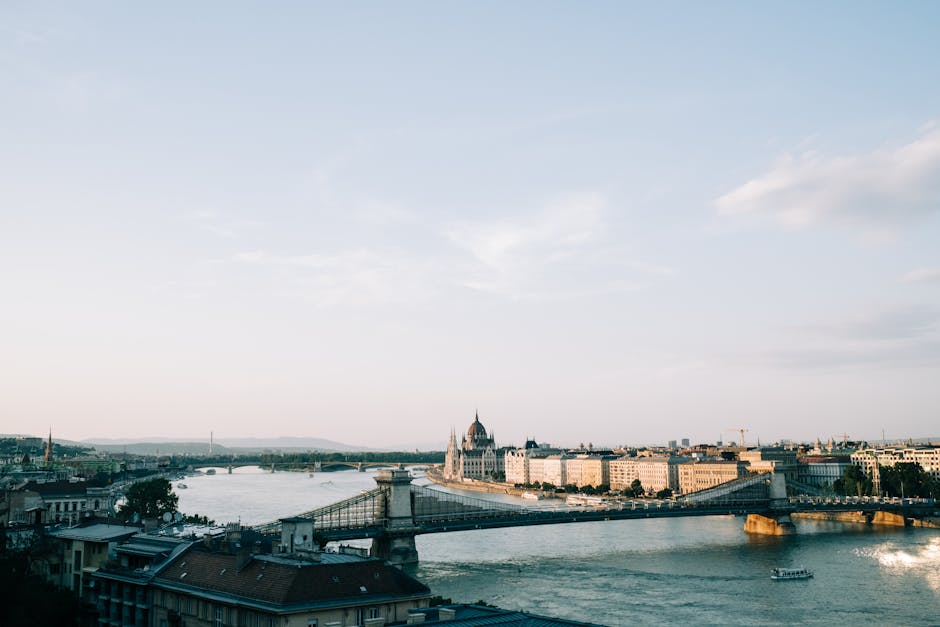
Budapest’s overall climate: seasons, averages and trends
Budapest sits in a transition zone between a mild oceanic climate and a continental one. That means pronounced seasonal temperature swings and significant variability in spring and autumn. Here are the main seasonal outlines with numbers and trends every visitor should know.
- Spring (March to May): average temperatures between 6 °C and 20 °C. Mornings can remain chilly (3–8 °C in March) while afternoons warm up nicely by May (15–20 °C). Rain is common but often short-lived. The spring buds on Margaret Island (Margitsziget, Margit-sziget, 1138 Budapest) make for a beautiful scene after a shower. Access to Margaret Island: open 24/7; paid activities (bike rental) around €6–10 per hour depending on the season.
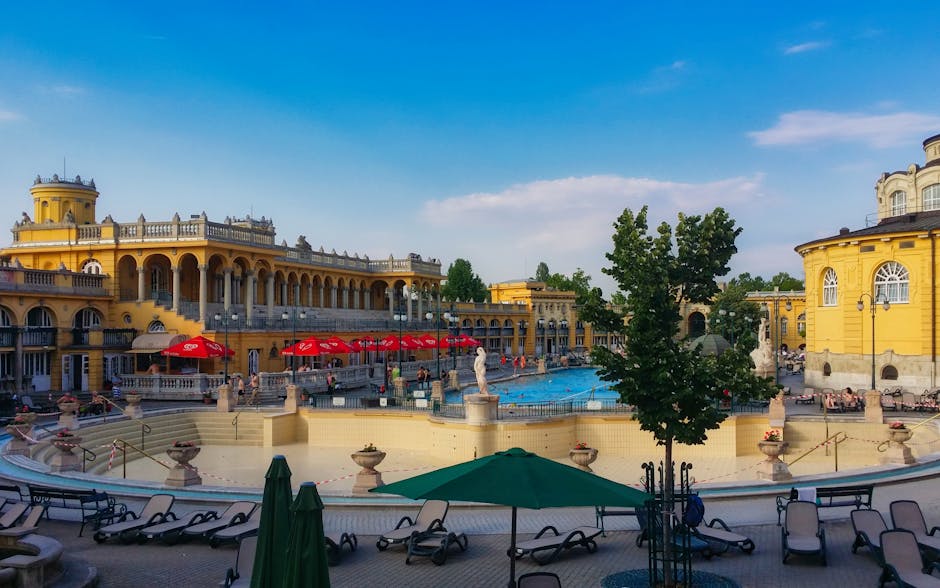
- Summer (June to August): the busiest season with daily averages of 22–28 °C. Days above 30 °C are not uncommon; heatwaves can push highs to 35–38 °C. Expect afternoon or evening convective storms. Thermal baths like Széchenyi Gyógyfürdő (Állatkerti krt. 9-11, 1146 Budapest) remain popular: typical hours 6:00–22:00 (check online); general entry around €20–25 depending on season and options (cabins, towel rental). Tip: schedule outdoor visits early and thermal dips in the evening.
- Autumn (September to November): temperatures gradually fall between 5 °C and 20 °C, with pleasant days in September and October. Rain becomes more regular late in the season; autumn colors on Gellért Hill offer fantastic photo opportunities after rain. Walks along the Danube (Dunakorzó) are pleasant when the wind is light.
- Winter (December to February): noticeably cold, averages around -1 °C to 4 °C. Snow falls several times each winter but doesn’t always stick around. Indoor sites become the priority: the Hungarian National Museum (Magyar Nemzeti Múzeum, Múzeum krt. 14-16, 1088 Budapest) typically opens 10:00–18:00; entry around €5–8.
Recent trends: more frequent heatwaves and intense summer downpours, increasing the risk of storms and localized flooding in low-lying streets near the Danube. It’s smart to monitor short-term weather updates and choose alternate routes if heavy rain is forecast.
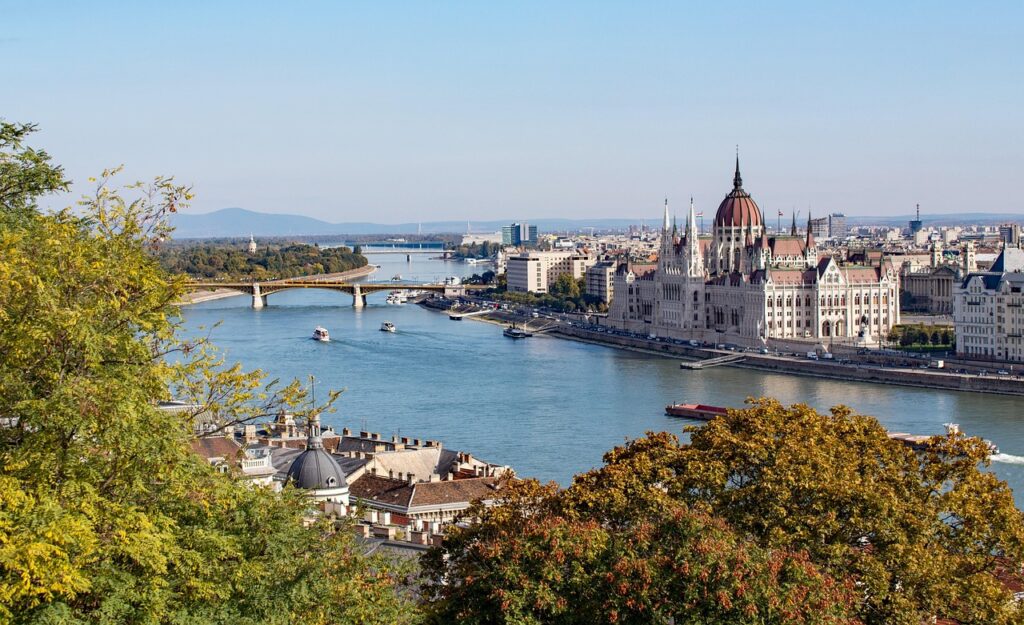
Rain and storms: when they happen, how to predict them and what to do
Rain in Budapest comes in two main patterns: spring/autumn showers that can last for several hours, and short, intense summer thunderstorms. Knowing those patterns helps you plan museums, baths and outdoor walks, and ensures you pack the right gear (umbrella, poncho, waterproof shoes).
Timing and frequency: April–May and October–November are often the wettest months in terms of number of rainy days. In summer, rainy days are fewer, but storms can produce heavy rainfall in a short time. For example: a July thunderstorm can deliver in 30–90 minutes the equivalent of several days’ spring rain, creating puddles and runoff on old cobblestones.
Forecasting and apps: for reliable Budapest forecasts, use high-resolution services such as:
- YR.no (Norway) — good hourly resolution
- MeteoBlue — short-term precipitation maps
- Windy — to track fronts and storm intensity
- Local Hungarian updates via Időkép — often more precise for local alerts
Check hourly updates and the rainfall expected for your exact location (for example, “Belváros-Lipótváros” for the city centre).
What to do when rain arrives? Useful strategies:
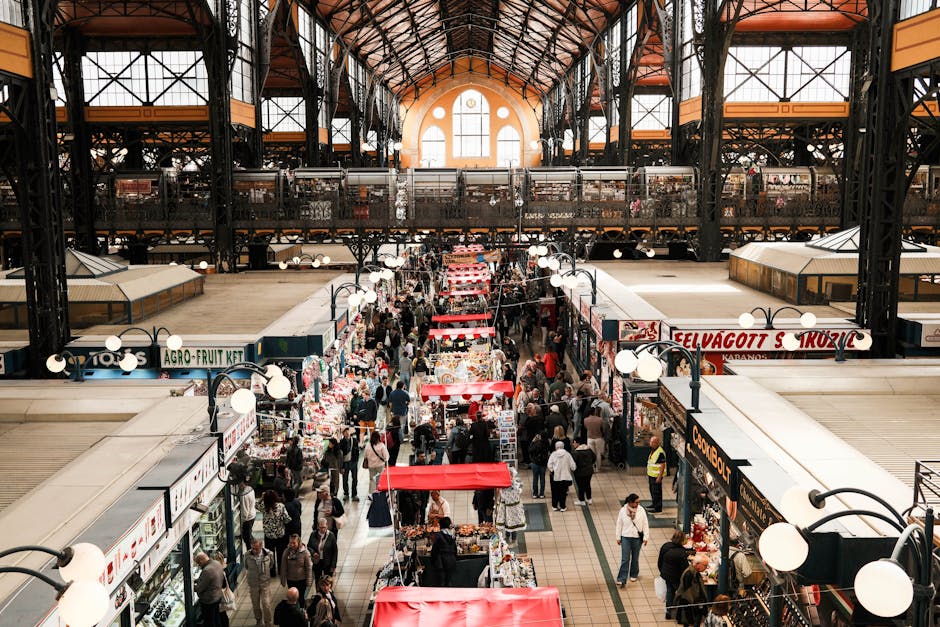
- Take shelter in iconic indoor places: Central Market Hall (Nagyvásárcsarnok, Vámház krt. 1-3, 1093 Budapest) — hours 6:00–17:00 (Sundays closed or reduced hours); free entry, food prices vary (meals on site €5–12), great for trying lángos dry and warm.
- Use the baths: Gellért Thermal Bath (Gellért Gyógyfürdő és Uszoda, Kelenhegyi út 4, 1118 Budapest) — typically open 6:00–19:00/20:00; entry around €18–25 depending on options. Indoor pools offer warmth and unique atmosphere during rainy days.
- Museum option: pick a nearby museum like the Hungarian National Museum or the Museum of Fine Arts (Szépművészeti Múzeum, Dózsa György út 41, 1146 Budapest) — hours 10:00–18:00; entry around €8–12.
Practical tips: wear non-slip footwear (the stones near the Chain Bridge can get slick), always carry a compact umbrella, and if you plan to shoot photos, bring a microfiber cloth to wipe lenses. During electrical storms, avoid exposed spots like the top of Gellért Hill or exposed bridges; prefer covered shopping streets like Váci utca for window shopping.
Heatwaves and hot spells: prevention, cool spots and baths as refuges
Heatwaves in Budapest can be intense: several-day stretches above 35 °C have become more common in recent years. The combination of high temperatures and humidity can make being outside uncomfortable, but with the right preparation the city remains livable—and even enjoyable. Here’s a full guide to coping with heatwaves.
Heatwave features: they mainly occur from June to August, sometimes as early as late May or extending into September. Nights may stay warm (minima above 20 °C), limiting overnight recovery. Sunlight reflecting off stone pavements and pale façades can intensify the urban heat feel.
Prevention and adapted behavior:
- Plan your day: do outdoor activities early in the morning (before 10:00) or late afternoon (after 18:00). Reserve the hottest part of the day (11:00–16:00) for indoor activities: baths, museums, or air-conditioned cafés.
- Hydration: bring a reusable water bottle—tap water in Budapest is drinkable. Aim for at least 2–3 litres a day depending on effort and heat.
- Clothing: favor natural fibers, wide-brim hats and sunglasses. Use SPF 30+ sunscreen.
Places to cool off:
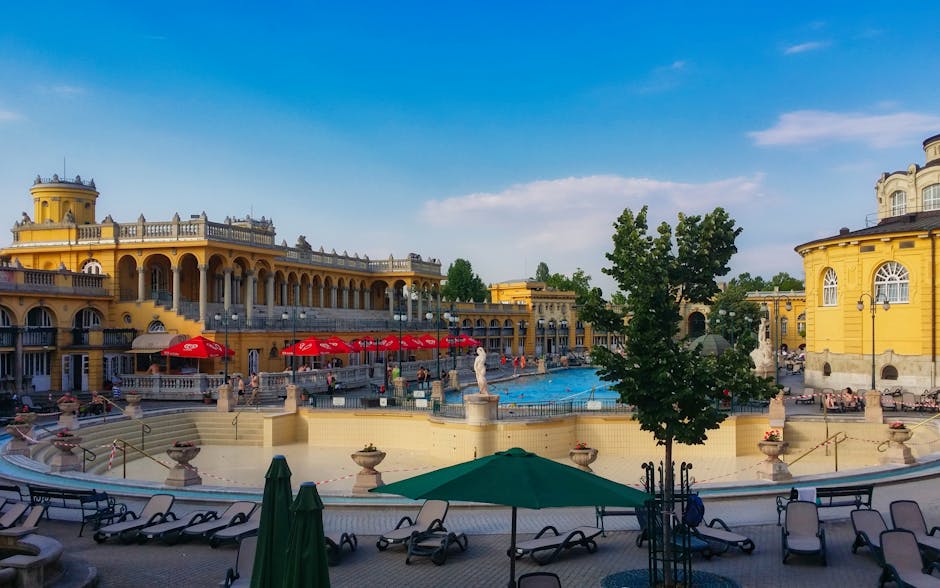
- Baths: Széchenyi Thermal Bath (Széchenyi Gyógyfürdő, Állatkerti krt. 9-11, 1146 Budapest) — large outdoor and indoor pools, typically open 6:00–22:00, entry around €20–30 depending on options (cabin, cabin + towel). Outdoor pools remain busy during heatwaves and benefit from the shade of City Park trees.
- Rivers and islands: Margaret Island (Margitsziget) offers shaded paths, cooling fountains and lawns—perfect for a shaded picnic. Free pedestrian access; bike rental typically €6–12 per hour.
- Air-conditioned cafés and malls: Mammut Shopping Center (Mammut Bevásárlóközpont, Lövőház u. 2-6, 1024 Budapest) is a good cool-down stop; generally open 10:00–21:00 with air-conditioned shops and restaurants.
Medical tips and precautions: if you’re traveling with young children, older people, or anyone with heart conditions, avoid extreme heat. Know the nearest first-aid points (Országos Mentőszolgálat / National Ambulance Service), wear light-colored clothing, and be aware of nearby hospitals—for example, Semmelweis Egyetem (Semmelweis University Clinics) at Üllői út 26, 1085 Budapest.
Best weather windows to visit Budapest (itineraries and timing)
Finding the best weather windows to experience Budapest depends on your priorities: perfect light for photos, mild temperatures for walks, or dry days for Danube excursions. Below are recommended windows and typical day plans for each.
Ideal spring (late April to early June): a top window for blossoms, mild temperatures and usually short, manageable showers. Sample « perfect day » itinerary:
- Morning (08:00–11:00): stroll across the Chain Bridge (Széchenyi Lánchíd, Clark Ádám tér, 1013 Budapest) then climb up to Buda Castle (Budai Vár, Szent György tér, 1014 Budapest). Best time to avoid crowds: 08:30–10:30. Some exhibitions at the Castle charge €10–15 depending on the show.
- Noon (12:00–14:30): lunch at Pest-Buda Bistro, Address: Fortuna utca 3, 1014 Budapest. Main dishes €10–18, open 11:30–22:00. Terrace available on sunny days.
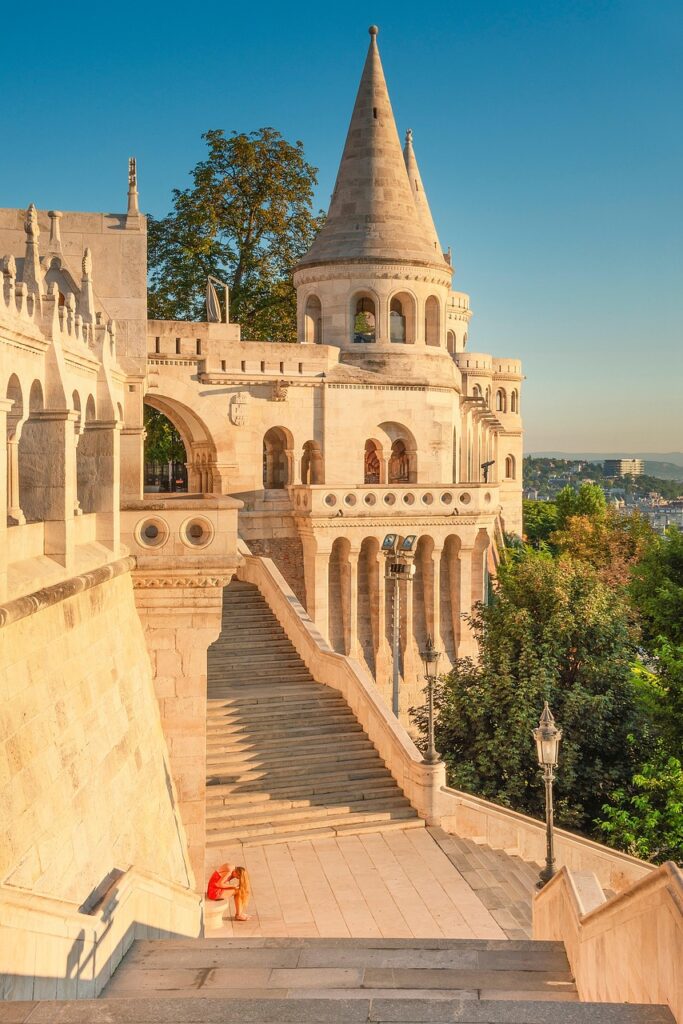
- Afternoon (15:00–18:00): visit Fisherman’s Bastion (Halászbástya, Szentháromság tér, 1014 Budapest) for golden-hour light in the late afternoon; stairs are free, tower access around €3–5.
Optimal summer (mid-June to late July—cooler mornings): the best window is dawn and early morning for outdoor sites.
- Morning (06:00–10:00): sunrise at the Hungarian Parliament (Országház, Kossuth Lajos tér 1-3, 1055 Budapest) on the Pest side. Guided interior tours are available; approx. €15–20 per person, tours usually run 08:00–16:00 depending on the season—book ahead.
- Afternoon (11:00–17:00): baths or a museum to avoid the heat. Széchenyi Thermal Bath (Állatkerti krt. 9-11, 1146 Budapest) is ideal; consider booking online to reduce waiting time.
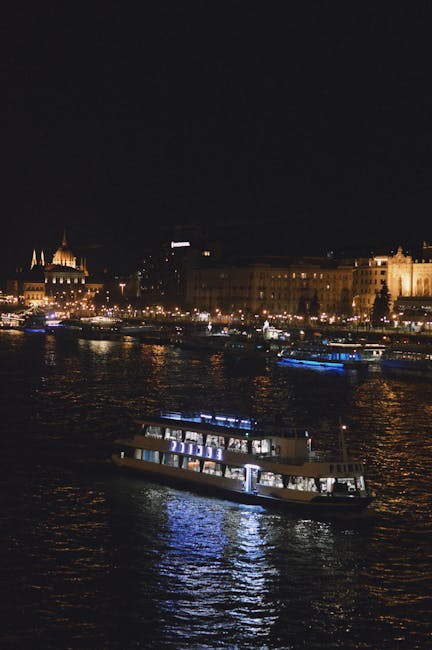
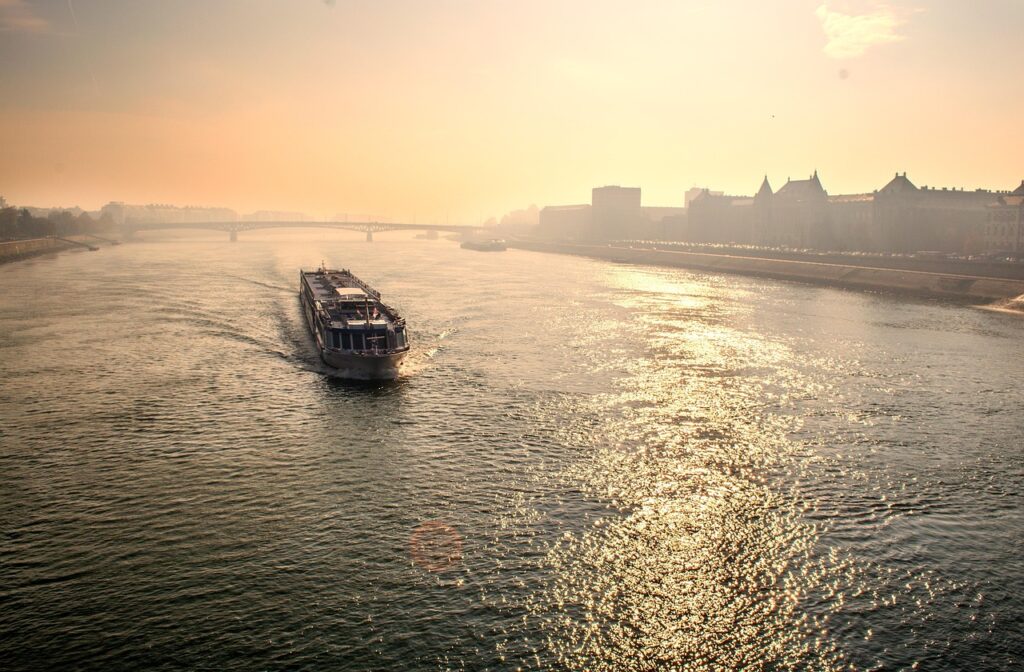
- Evening (18:00–22:00): a sunset cruise on the Danube—operators like Legenda Cruises (address: Pesti Alsó rakpart 5, 1051 Budapest) offer 1–2 hour cruises from about €18–35 per person depending on options (dinner included or not).
Favorable autumn (mid-September to mid-October): temperate days and soft light make this an excellent period for photography.
- Sample itinerary: morning Parliament visit (book ahead), lunch around Lipótváros (Váci utca restaurants), afternoon exploring the Great Market Hall (Vámház krt. 1-3) and finishing late afternoon on Margaret Island for a peaceful sunset.
Windows for photographers: the best times are the golden hours at sunrise and sunset. For a full castle panorama lit up, position yourself on the Pest bank near Vigadó tér. To avoid crowds in photos, skip summer Saturdays and festival weekends (Budapest Summer Festival, national holiday August 20).
Practical logistics in variable conditions: transport, gear and indoor alternatives
Adapting to the weather also means knowing local logistics: covered transport options, accommodation with air conditioning, and information systems. Here are detailed practical pointers.
Transport and accessibility:
- Metro: lines M1, M2, M3 and M4 serve main sights. M1 (the Millennium Underground) is particularly handy for tourist spots (Széchenyi fürdő station near City Park). Hours generally 4:30–23:30, frequency 3–10 minutes depending on time of day.
- Tram: Line 2 runs along the Danube with great views and offers partially covered options at stops. Single tickets cost roughly €1.10–1.30 (converted from HUF); you must validate before boarding.
- Taxis & ride-sharing: local companies like Főtaxi (book via app or taxi stands) and Bolt/UBER (if available) work well; expect longer waits during heavy storms.
Accommodation and climate comfort:
- Pick a hotel with air conditioning if you travel in summer—for example Hotel Astoria (Address: Múzeum körút 4, 1053 Budapest) lists A/C in rooms, average rates €90–150/night depending on season. Always check for a minibar and reversible air conditioning.
- In winter, choose lodging with good heating and insulation; many older buildings can feel chilly despite heating systems.
Gear to pack:
- A compact umbrella or waterproof poncho
- Comfortable, waterproof shoes
- Reusable water bottle, sunscreen, hat
- A basic first-aid kit and heat-related meds (blister plasters, electrolytes)
Indoor alternatives in Budapest for rainy or scorching days:
- Visit the Parliament (book in advance), the Hungarian State Opera House (Magyar Állami Operaház, Andrássy út 22, 1061 Budapest) — guided tours approx. €12–20, tours usually 10:00–16:00 depending on performances.
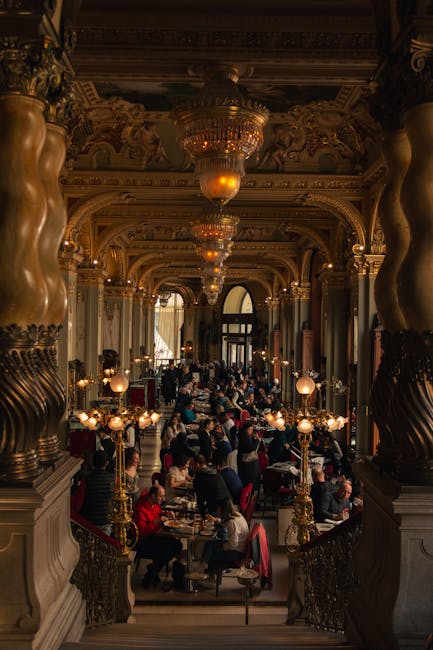
- Enjoy historic cafés: New York Café (Address: Erzsébet krt. 9-11, 1073 Budapest) — drinks from about €5–8; air-conditioned with an opulent interior.
- Covered shopping: Great Market Hall (Nagyvásárcsarnok) mentioned above, or malls like Mammut and Arena Plaza (Kerepesi út 9, 1087 Budapest) — generally open 10:00–21:00.
Local tips, safety and final recommendations for a trip without surprises
Locals in Budapest have simple habits for dealing with changeable weather: they layer in the morning, keep an umbrella in their bag, and use thermal baths as social shelters. Here are concrete local tips to enjoy Budapest whatever the weather.
Practical tips:
- Stay flexible: book activities (Parliament, baths) with cancellation or rescheduling options. For example, Parliament tickets cost around €15–20 and are booked online; if the weather turns, move that visit to the next morning.
- Avoid metro rush hours during heatwaves: carriages can get very warm. During a heatwave, choose a morning Danube walk and use the metro during peak heat to minimize exposure to the sun.
- Protect your camera gear: in a downpour, keep a waterproof bag or cover handy, especially near the Danube where spray can dampen equipment.
Safety and health:
- If you feel unwell from heat, locate the nearest pharmacy (Gyógyszertár). Pharmacies on duty are listed online and in apps. In an emergency, call the European emergency number 112.
- Stay updated with official weather advisories. If storm or heavy rain alerts are issued, avoid low-lying areas near the Danube and unprepared underground spaces.
Local tricks to make the most of the weather:
- If it’s raining: enjoy a hot lángos (street food) at the Great Market—prices €3–6 depending on toppings—and watch everyday life from under cover.
- In intense heat: plan a late-afternoon indoor thermal session—Gellért or Rudas Baths (Rudas Gyógyfürdő, Address: Döbrentei tér 9, 1013 Budapest) offer late-night hours on some days with variable prices €12–25 depending on slot.
- If you’re shooting sunrise photos: park or get off near Elisabeth Bridge (Erzsébet híd) and walk along the riverbanks for soft light on the castle and Fisherman’s Bastion.
Conclusion: planning your Budapest trip around the weather
Budapest is a year-round city, but the weather shapes the experience. Whether you love thermal baths, are a photographer chasing perfect light, a culture-seeker or simply after a relaxing weekend, knowing the rainy seasons, heatwave risks and best weather windows will help you optimize every day. Cool springs offer floral walks, summer gives magical mornings and shady afternoons or baths, autumn dresses the city in warm hues, and winter invites cozy cafes and hot baths.
Practical summary: use high-quality weather apps (Windy, YR, Időkép), book important indoor visits ahead (Parliament, Opera), pack appropriately (compact umbrella, light clothing and a hat), and always have a Plan B (museums, baths, historic cafés) for unpredictable days. During heatwaves, prioritize hydration, indoor baths and early-morning walks; during rain, let the covered market, museums and historic cafés lead the way.
Finally, tailor your itinerary to the « weather windows » outlined here: cool, bright mornings for outdoor monuments, thermal or cultural afternoons, and evenings along the Danube or on a cruise. With accurate info (exact addresses, opening hours, indicative prices in euros) and a little flexibility, Budapest will welcome you in any season. Enjoy the Danube’s beauty, restorative baths and the city panoramas—no matter the weather. Safe travels, and may you make the most of your time in Budapest!