





Introduction — Why Choose Budget-Friendly Neighborhoods in Budapest
Budapest blends imperial history, Art Nouveau architecture, thermal baths and a creative nightlife that’s surprisingly kind to small budgets. For the savvy traveler, picking the right neighborhood can be the difference between a comfortable trip and unnecessary overspending. Choosing an affordable area isn’t just about the nightly rate: it also involves access to public transport, proximity to low-cost or free attractions, safety, the availability of inexpensive restaurants and nearby amenities (supermarkets, laundromats, local markets). This guide focuses on well-connected, realistic neighborhoods where you can save money without sacrificing the experience.
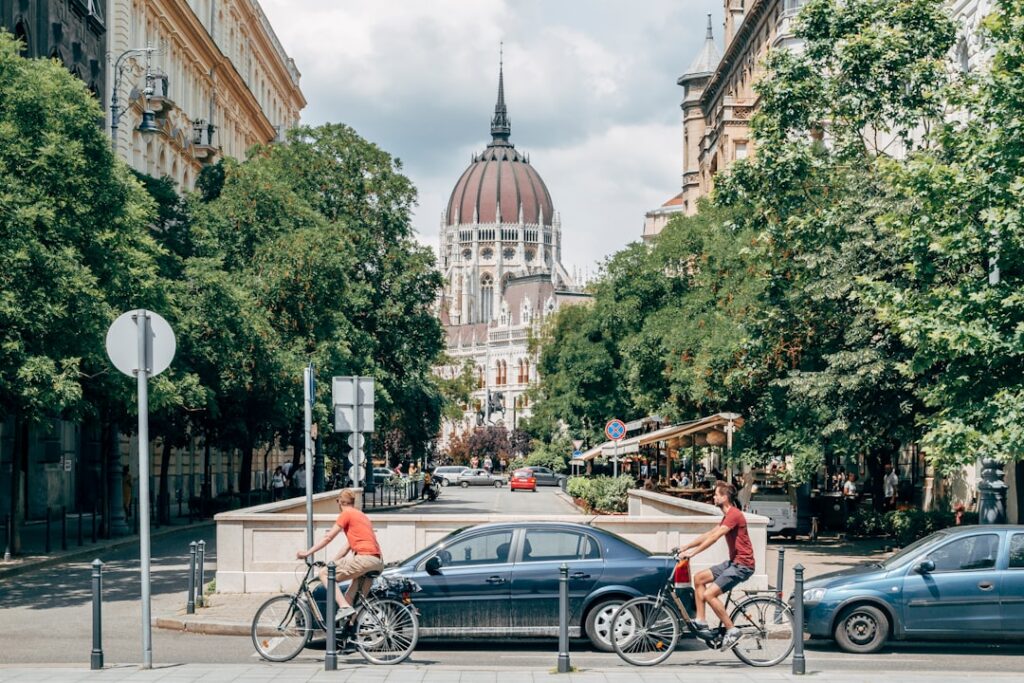
Budapest is split across two distinct banks, Buda and Pest, divided by the Danube. Pest, on the east bank, hosts most of the cafes, bars and ruin pubs, while Buda offers hills, panoramic views and quieter residential areas. For budget-conscious travelers, certain districts in Pest (the 7th, 8th and 9th districts) often offer lower accommodation rates with easy access to the city center, whereas on the Buda side areas like Újbuda (11th) and Óbuda (3rd) can present very competitive options, especially for apartments and small guesthouses.
In this guide you’ll find detailed neighborhood descriptions, exact addresses for budget lodging, indicative prices in euros for hostel beds or hotel rooms, important schedules (transport, markets, attractions), local tips to save on food, tours and travel, plus tricks to avoid common scams. The aim is to help you plan a smart trip: where to wake up near a metro station, where to find breakfast for under €5, which streets to avoid at night, and which markets overflow with cheap local produce.
Finally, saving money doesn’t mean missing out: it’s about optimizing. By choosing affordable yet lively neighborhoods, you can enjoy authentic goulash, relax in a famous thermal bath, stroll across historic bridges and squares for free, and hit alternative bars without breaking the bank. The sections below break down each area with exact addresses, price ranges, practical opening times and hands-on tips to get the most out of your Budapest stay.
Erzsébetváros (7th District) — Lively Core and Wallet-Friendly Options
Erzsébetváros is often seen as the most dynamic neighborhood for budget travelers. Once the historic Jewish quarter, it hosts the Dohány Street Synagogue (Dohány Street Synagogue, Dohány u. 2, 1074 Budapest), narrow streets full of cafes and the famous ruin pubs. Staying here means being a short walk from Deák Ferenc tér (1052 Budapest, Deák Ferenc tér), the major transport hub linking several metro lines (M1, M2, M3).
Recommended lodging: hostels and small independent hotels. A practical example: MEININGER Budapest Great Market Hall — Vámház körút 9-11, 1093 Budapest. Indicative prices: dorm beds from €18–25 / night, private rooms €40–70 / night depending on season. The property sits next to the Great Market Hall and is a 10–15 minute walk from the streets of Erzsébetváros.
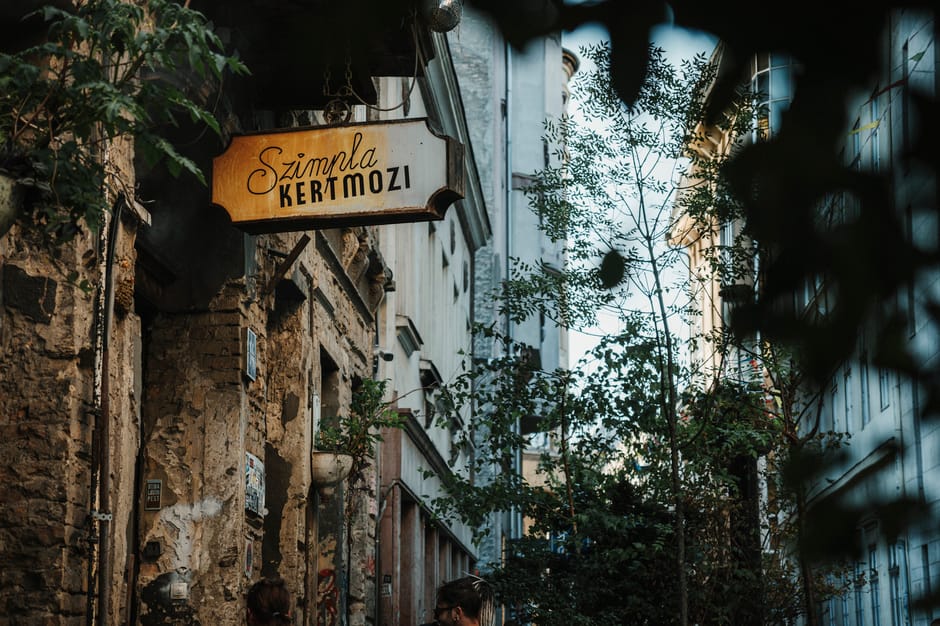
The neighborhood is ideal for saving money: small local eateries (étkezde) offer full meals for €4–8 (for example, a simple goulash for €5–7). Many bakeries and delis sell fresh sandwiches and pastries for €1–3. Ruin pubs like Szimpla Kert (Kazinczy u. 14, 1075 Budapest) are iconic — admission is usually free and drinks range from €2–6 depending on what you order. Practical hours: Szimpla typically opens around 10:00–03:00 (varies with events).
Local tip: booking a hostel on the side streets off Kazinczy u. or Wesselényi u. keeps you in the heart of the action while benefitting from lower rates than on the main tourist avenues. If you want quiet at night, avoid the streets immediately adjacent to the bars. For grocery shopping, SPAR Local and Lidl have several locations around Wesselényi utca and Rákóczi út; a basic weekly basket (bread, cheese, cold cuts, fruit) can cost €10–20.
Józsefváros (8th District) and Népliget — Local Charm with Good Connections
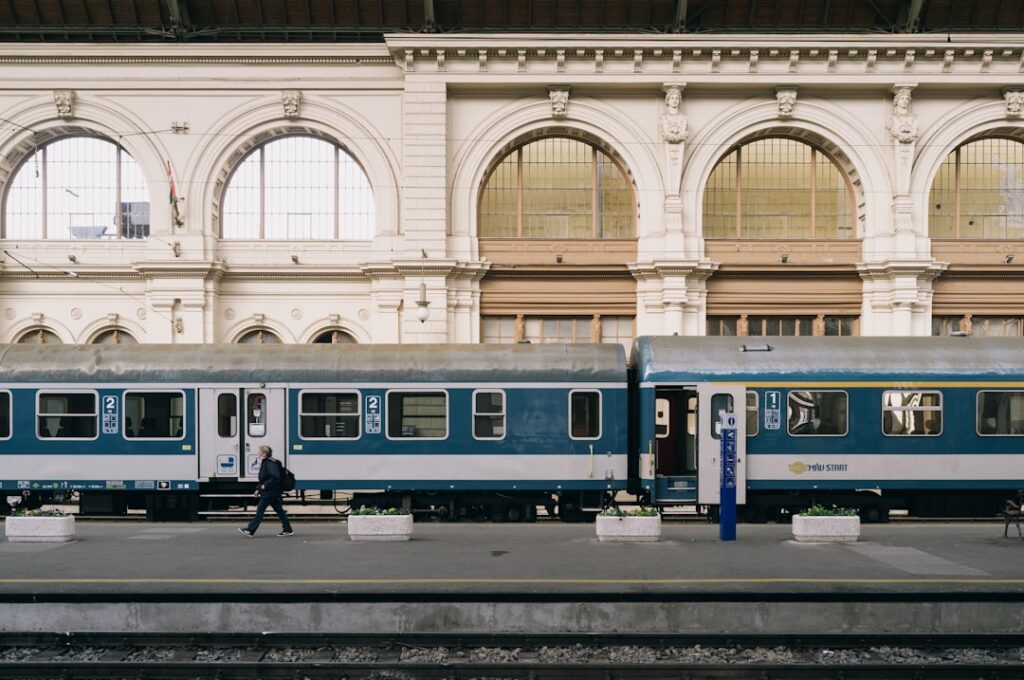
Józsefváros, once known for its 19th-century townhouses and social diversity, has become a top choice for budget travelers. The neighborhood offers very competitive accommodation near Keleti railway station (Budapest-Keleti pályaudvar, Baross tér 11, 1087 Budapest) and excellent tram/train links to explore the city. Dorm and private room prices here are often lower than in Erzsébetváros.
Examples of budget addresses: several guesthouses and Airbnb apartments around Rákóczi út and Üllői út offer rooms for €20–50 / night. If you prefer a budget hotel with reliable quality, look for places near Blaha Lujza tér (1088 Budapest, Blaha Lujza tér) where options typically start around €30–60 / night.
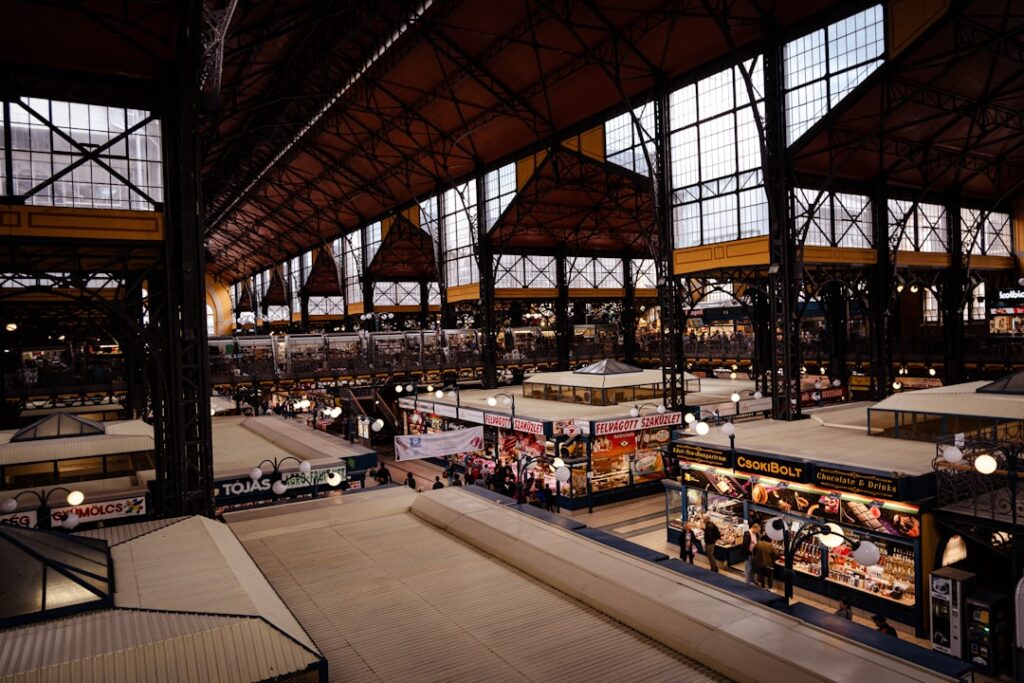
Attractions and hours: the Great Market Hall (Great Market Hall, Vámház körút 1-3, 1093 Budapest) is within short distance and is generally open Monday to Saturday 06:00–17:00, closed on Sundays (seasonal variations apply). For transport, a single ticket costs about €0.90 (350 HUF); a 24-hour pass is around €4–5 (1,650 HUF), and a 72-hour pass approximately €10–11 (4,150 HUF). These fares make staying in slightly outlying neighborhoods very practical.
Food and saving tips: Józsefváros is full of university canteens and small stalls where you can eat for €3–6. Near Népliget you’ll find bakeries that open early (06:00–10:00) for quick breakfasts at €1–3. Local markets sell fresh vegetables for €1–3 / kg depending on the season.
Practical advice: check for proximity to a metro station (M2 or M3) when booking, especially if you have tight sightseeing schedules. For safety, stick to well-lit streets and avoid secondary avenues at night; during the day the neighborhood is lively and very suitable for solo travelers or couples looking for good value.
Újbuda and Kelenföld (11th District) — Accessible Buda and Family-Friendly Stays
On the Buda side, Újbuda is an excellent compromise for travelers who want a more residential vibe, spacious apartments at low prices and fast connections to the center via metro line M4 (the green line). The area around Kelenföld (Kelenföldi pályaudvar, Bocskai út 37-39, 1113 Budapest) offers direct links to the airport by bus and fast trains to other Hungarian cities.
Accommodation: many short-term rental apartments and three-star hotels offer nights from €30–60. Families will find plenty of 2–3-bedroom apartments around Bartók Béla út and Fehérvári út at rates often lower than central prices. Typical example: short-term apartments near Kelenföldi pályaudvar — addresses vary, prices €40–80 / night for an entire place depending on size and season.
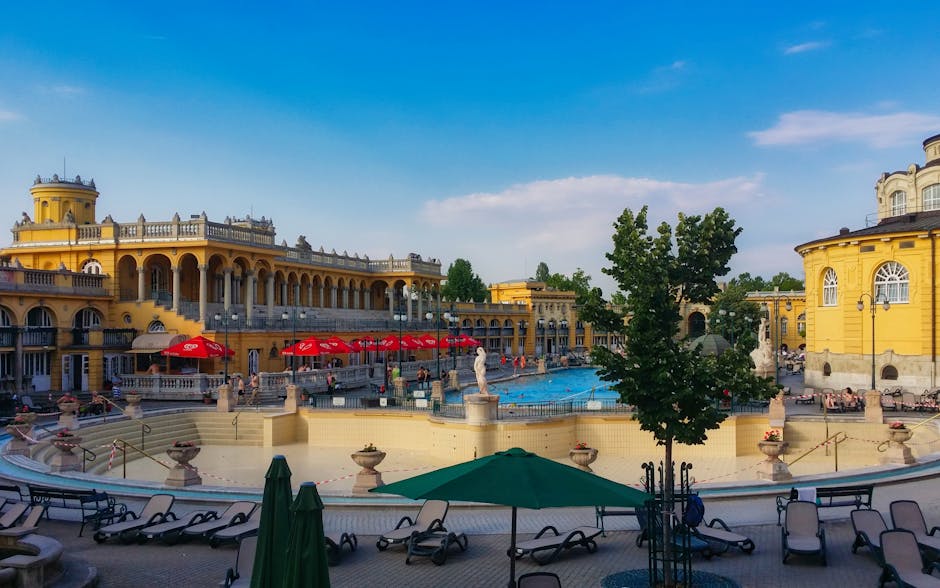
Attractions and leisure: Újbuda is close to Móricz Zsigmond körtér park and the riverside cultural area « BudaPart. » For thermal baths that are calmer than Széchenyi, you can reach the Gellért complex (Gellért Gyógyfürdő és Uszoda, 1111 Budapest, Kelenhegyi út 4 — opening times and prices vary by pool; expect about €18–25 for a full-day entry depending on options). Transport to the center is straightforward: M4 from Kelenföld connects to Deák Ferenc tér in 10–12 minutes, reducing taxi costs.
Meals and groceries on a budget: Lidl and Aldi supermarkets are plentiful and make it easy to prepare meals for €5–10 / day per person if you cook. Local markets sell freshwater fish, fruit and artisan bread at reasonable prices. For cheap evenings out, look for local pizzerias and Hungarian restaurants around Bocskai út, with main dishes priced €6–10.
Local tip: if you travel off-season, booking an apartment with a kitchenette can cut costs significantly. Always check how close you are to a tram or metro stop: a 20–25 minute ride gets you to the heart of Pest, making Újbuda a smart option for longer, cheaper stays.
Conclusion — Final Strategies to Save Without Sacrificing Experience
Picking an affordable neighborhood in Budapest means balancing location, transport access and accommodation type. Erzsébetváros (7th) is ideal for those who want to be in the nightlife hub while finding hostels and budget hotels; Józsefváros (8th) offers great value near Keleti station; Újbuda (11th) and Kelenföld suit travelers who prefer the Buda bank, larger apartments and a quieter atmosphere while keeping quick access to the center.
Budgeting precisely helps you save: expect on average €18–40 / night for a hostel dorm depending on season, €30–70 / night for a budget double room, and €40–100 / night for a simple apartment. For transport, a 24-hour pass (≈€4–5) or a 72-hour pass (≈€10–11) is often more cost-effective than buying multiple single tickets (€0.90 per trip). When it comes to food, a local meal in a canteen or étkezde typically costs €3–7, while a dinner in a tourist restaurant starts around €10–15.
Other practical tips: travel off-season (late spring or autumn) for lower rates; check proximity to a metro line (M1, M2, M3, M4) or tram stop; favor places with a kitchenette for longer stays; buy bath tickets (Széchenyi, Gellért) online to sometimes get discounts and skip lines; use local markets and supermarkets for midday meals; and if you go out at night, keep your belongings close and avoid poorly lit avenues after dark.
Budapest can be extremely affordable without losing cultural richness or comfort. With these neighborhoods and tips in mind, you’ll be able to optimize your trip: save on lodging and meals, take advantage of efficient public transport, visit must-sees (Dohány Street Synagogue, Great Market Hall, thermal baths) and discover authentic local spots that rushed travelers often miss. Plan smart, book wisely, and let yourself be surprised by all Budapest has to offer — even on a tight budget.