





Introduction — Cultural itinerary in Budapest: one week, ten museums
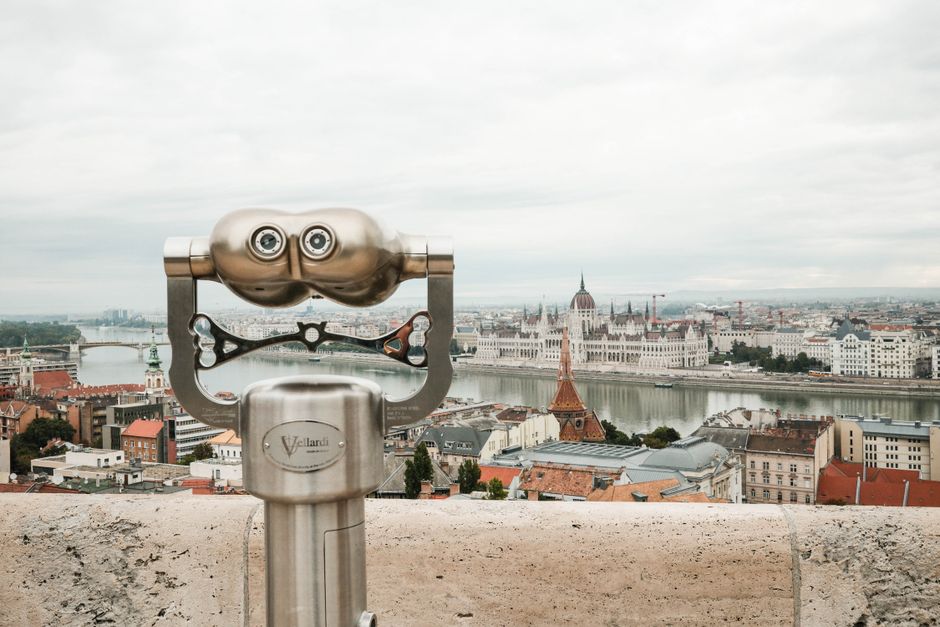
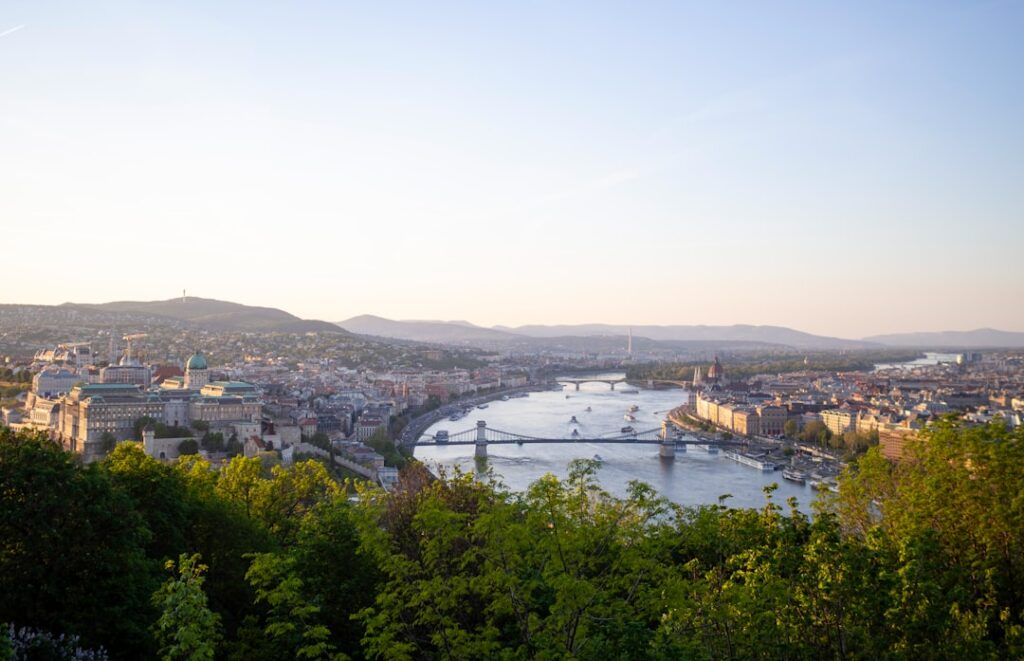
Budapest is a city you discover through its museums: each building tells a different chapter of Hungarian, European and global history — from prehistory to contemporary times, from Oriental goldsmithing to urban countercultures. In a week you can comfortably visit a curated list of ten essential museums that together offer a broad panorama — artistic, historical, ethnographic and commemorative — of the Hungarian capital. This guide lays out a day-by-day route, practical details (exact addresses, indicative prices in euros, opening hours) and local tips to help you make the most of your visits without rushing, while leaving room for spontaneous discoveries.
The goal isn’t to turn your trip into an exhibition marathon, but to balance immersion, coffee breaks and walks through neighborhoods that are museums in their own right: Andrássy út, the Buda Castle district, Millennium Avenue by Heroes’ Square, the Jewish Quarter and the Danube bank. Each museum here was chosen for the uniqueness of its collections, the quality of temporary shows, its architecture and accessibility. The guide also gives pointers on ticketing (online booking recommended for busy sites), best visiting times to avoid peak crowds, and practical hacks — public transport, grouping nearby museums, cafés and bookstores worth knowing — that make the experience smoother and richer.
Bring a comfortable pair of shoes: Budapest requires walking, sometimes on cobbles, sometimes up the castle slopes. Carry a few euros in cash: some small museum shops or temporary exhibitions don’t always accept international cards. Also note that several museums close one day a week (often Monday) or have reduced hours in winter; check updated opening times before you go. In this guide, each museum entry includes the exact address, indicative prices in euros (subject to change — check the official site before visiting), typical hours and an immersive description of the main collections so you can plan your cultural week in Budapest calmly and inspired.
1. Hungarian National Museum — Magyar Nemzeti Múzeum
Address: Magyar Nemzeti Múzeum, Múzeum körút 14–16, 1088 Budapest.
Indicative price: €9 (adult full price), €5 (students/youth), free for children under 6. (Skip-the-line tickets and temporary exhibitions extra; prices may vary.)
Typical hours: Tuesday–Sunday 10:00–18:00, closed Monday.
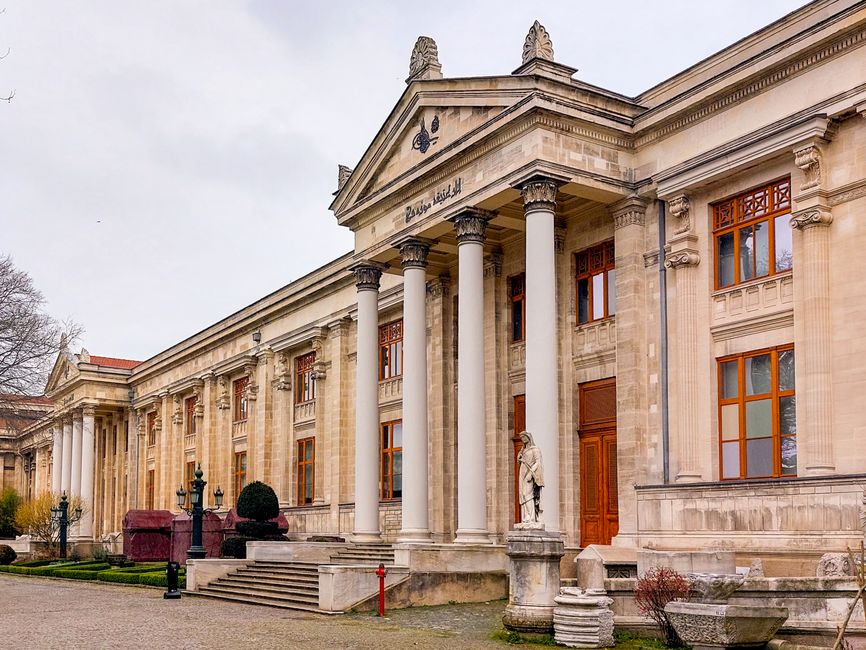
The Hungarian National Museum is the guardian of the nation’s memory: archaeology, medieval history, aristocratic artifacts, numismatic collections and armoury. Facing its grand neoclassical façade with imposing columns and a photogenic courtyard, the visit usually starts with the archaeological galleries that trace human presence in the Carpathian Basin, then moves into the permanent exhibition on modern and contemporary history, with rooms dedicated to the 19th century and national movements.
Highlights: the national treasures gallery (ecclesiastical objects, embroidered textiles, military insignia), scale models and reconstructions of everyday objects, and clear presentations of the defining moments in modern Hungary. The temporary exhibition space regularly hosts high-quality international shows — check the online calendar and reserve ahead for headline exhibitions.
Local tip: arrive early to avoid school groups and relax afterwards at the museum café or nearby terraces to debrief. The area is well connected (M3 metro, Kálvin tér station nearby); pair this visit with a stroll through the neighboring university quarter for lunch.
2. Museum of Fine Arts — Szépművészeti Múzeum
Address: Szépművészeti Múzeum, Dózsa György út 41, 1146 Budapest (Heroes’ Square / Hősök tere).
Indicative price: €11 (adult full price), €6 (reduced), major special exhibitions €13–20. (Online reservations recommended.)
Typical hours: Tuesday–Sunday 10:00–18:00, closed Monday. Extended late openings on some Thursdays depending on programming.
Set on the magnificent Heroes’ Square, the Museum of Fine Arts is the city’s major institution for European collections: old masters, sculpture, modern painting and an antiquities department. The monumental building houses Renaissance Italian works, Flemish and Spanish painting, and important French and German collections. Galleries are organized thematically, with informative labels in Hungarian and English.
Highlights: the Egyptology and classical antiquities sections, Italian masters (paintings and sculptures), and the Flemish and Dutch painting collection — a treat for art history lovers. Temporary exhibitions often feature international loans and can be worth the trip even if you’ve already seen the permanent display.
Local tip: pair the visit with a walk in City Park (Városliget) and a stop at the small café by the lake. The museum is close to tram and metro connections (M1, Hősök tere stop), making it easy to combine with other central cultural sites.
3. Hungarian National Gallery — Magyar Nemzeti Galéria
Address: Magyar Nemzeti Galéria, Szent György tér 2, 1014 Budapest (Buda Castle hill).
Indicative price: €8 (adult full price), €4–6 (reduced). Combined tickets with the Budapest History Museum are available. (Special exhibitions extra.)
Typical hours: Tuesday–Sunday 10:00–18:00, occasional late openings on Thursdays; closed Monday.
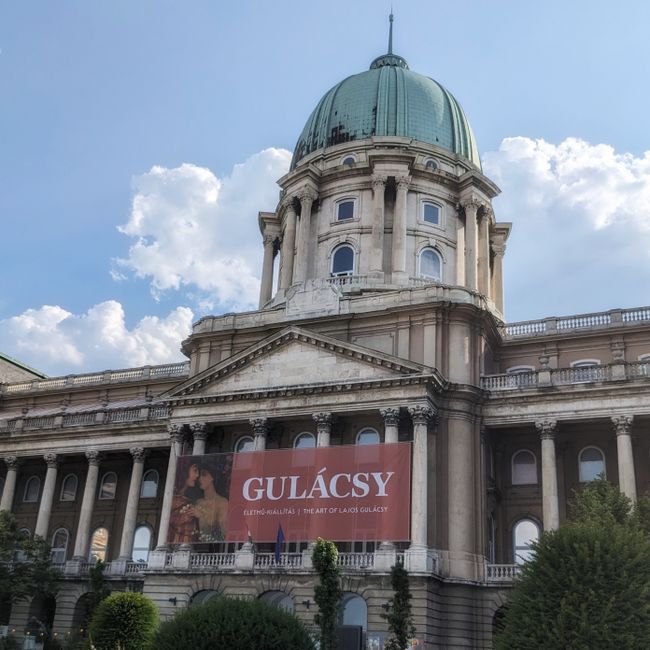
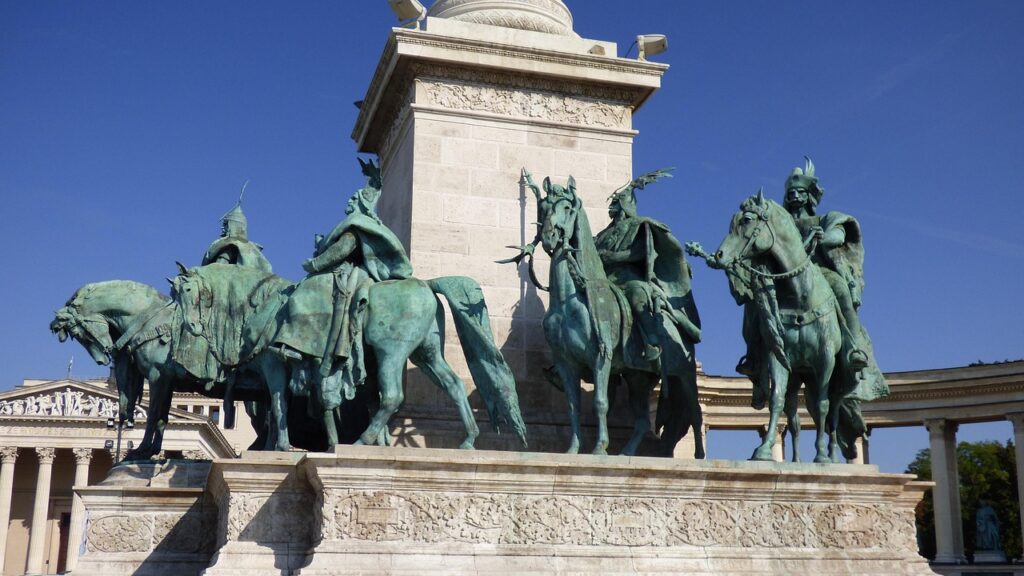
Housed in the historic rooms of Buda Castle, the Hungarian National Gallery presents a comprehensive sweep of Hungarian art from the Middle Ages to contemporary times. The location atop Castle Hill adds a dramatic element: after visiting the galleries, terraces offer sweeping views over the city and the Danube. Collections include medieval religious painting, Baroque portraits, 19th- and 20th-century works, and departments for graphic arts and sculpture.
Highlights: paintings by major Hungarian masters, exhibitions on the golden age of socialist realism and 20th-century Hungarian avant-garde. The decorative arts rooms and recreated historical interiors provide a vivid sense of Hungarian social life across the centuries.
Local tip: combine this visit with the Budapest History Museum since they’re in the same complex and together give both artistic and historical insight into the capital. Save time to admire the view from the castle courtyard, then walk down into the Castle District to explore narrow streets and cozy cafés.
4. Budapest History Museum — Budapesti Történeti Múzeum
Address: Budapesti Történeti Múzeum (Budapest History Museum), Szent György tér 2, 1014 Budapest (Buda Castle complex).
Indicative price: €7 (adult full price), €4 (reduced); combined tickets available with other castle institutions.
Typical hours: Tuesday–Sunday 10:00–18:00, closed Monday; hours vary for some archaeological spaces.
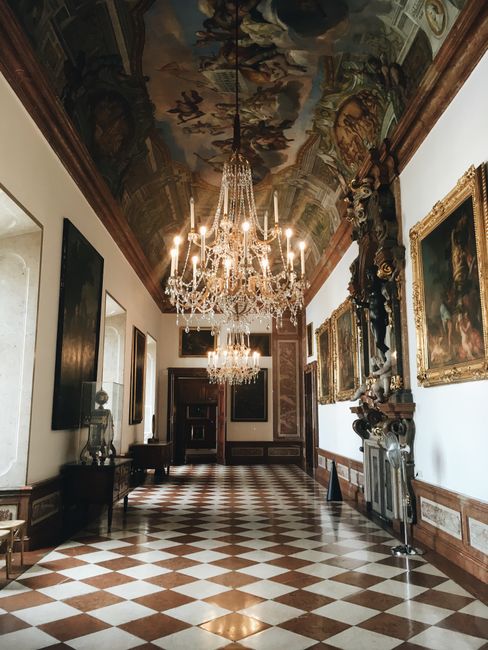
The Budapest History Museum is the best starting point to understand the city’s urban and social development, from the Roman fort of Aquincum to the modern metropolis. Set within the castle’s stone walls, the museum blends archaeology, urban furnishings, historical maps and exhibitions on the Ottoman and Habsburg periods. The cellars contain ancient and medieval remains presented through well-lit underground galleries.
Highlights: reconstructed historic urban environments, rich collections of everyday artifacts, period posters and photographs that illustrate Budapest’s rapid transformations in the 19th and 20th centuries. The exhibit on life in old Buda is particularly immersive, featuring objects, models and explanatory videos.
Local tip: allow at least 2 hours if you want to explore the archaeological cellars. The Castle area is full of viewpoints; after your visit, walk across the Chain Bridge (Széchenyi Lánchíd) for a different view of the city. English audio guides are available and recommended during high season.
5. House of Terror — Terror Háza Múzeum
Address: Terror Háza Múzeum, Andrássy út 60, 1062 Budapest.
Indicative price: €7 (adult full price), €4 (reduced), audio guide extra. Reduced evening tickets some nights.
Typical hours: Tuesday–Sunday 10:00–18:00, closed Monday; extended hours on certain Thursdays and Fridays for commemorative events.
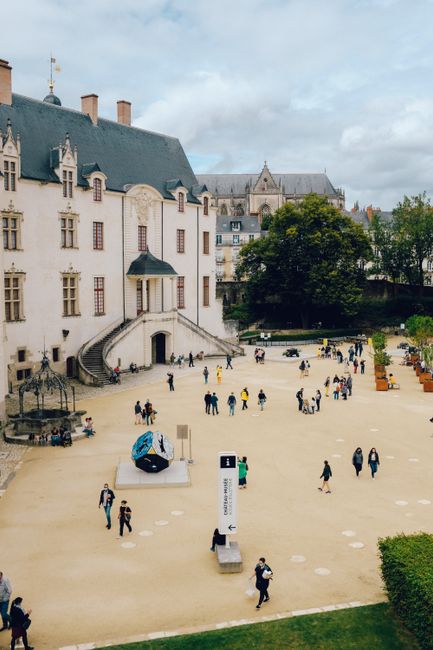
The House of Terror is a powerful and solemn museum about the totalitarian regimes that shaped 20th-century Hungary, particularly fascism and Stalinism. Housed in a historic building on Andrássy Avenue, the museum occupies the very premises once used by the Hungarian political police and instruments of repression. Galleries alternate documents, multimedia testimonies, photographs, objects and reconstructions of cells and interrogation rooms.
Highlights: the museum does more than display artifacts — it leads visitors through a chronological, human narrative with projections, recordings and audiovisual archives. Its educational and commemorative mission emphasizes collective memory. Temporary exhibitions often explore specific themes (resistance, exile, political trials).
Local tip: the visit can be emotionally intense. Plan some quiet time afterwards — for example at one of the historic cafés on Andrássy út. Audio guides are available in several languages and are recommended to better follow the chronology and political contexts presented.
6. Museum of Applied Arts — Iparművészeti Múzeum (Museum of Applied Arts)
Address: Iparművészeti Múzeum, Üllői út 33–37, 1091 Budapest.
Indicative price: €6 (adult full price), €3–4 (reduced), temporary exhibitions and guided tours extra.
Typical hours: Tuesday–Sunday 10:00–18:00, closed Monday; some weekends with extended hours.
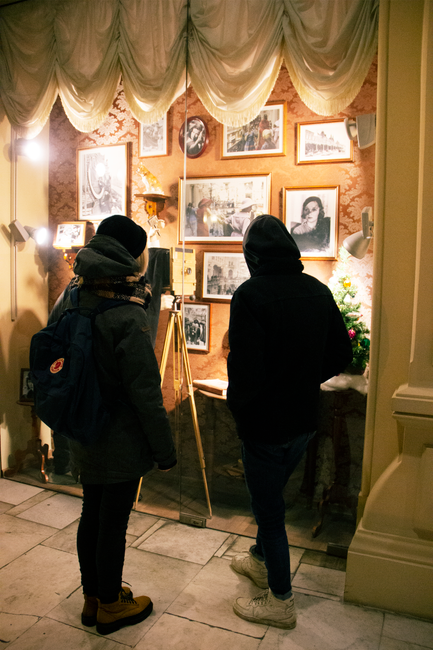
The Museum of Applied Arts is an Art Nouveau gem housed in a striking building known for its Orientalist architecture and stained-glass windows. The collection spans glass, ceramics, textiles, furniture, jewelry and graphic arts from the Middle Ages to the 20th century, with a particular focus on the European movements that shaped modern design. The contrast between the richly decorated interior and the exhibited pieces creates an almost theatrical atmosphere.
Highlights: prime examples of Hungarian Art Nouveau, signature furniture pieces, embroidered textiles and a notable section on metalwork and enameling techniques. Temporary shows often explore intersections between traditional craft and contemporary design.
Local tip: this museum is a paradise for architectural interior photography. If you’re traveling with kids, some exhibits have interactive activities — check the program. After your visit, enjoy the nearby Ráday market or neighborhood cafés for lunch.
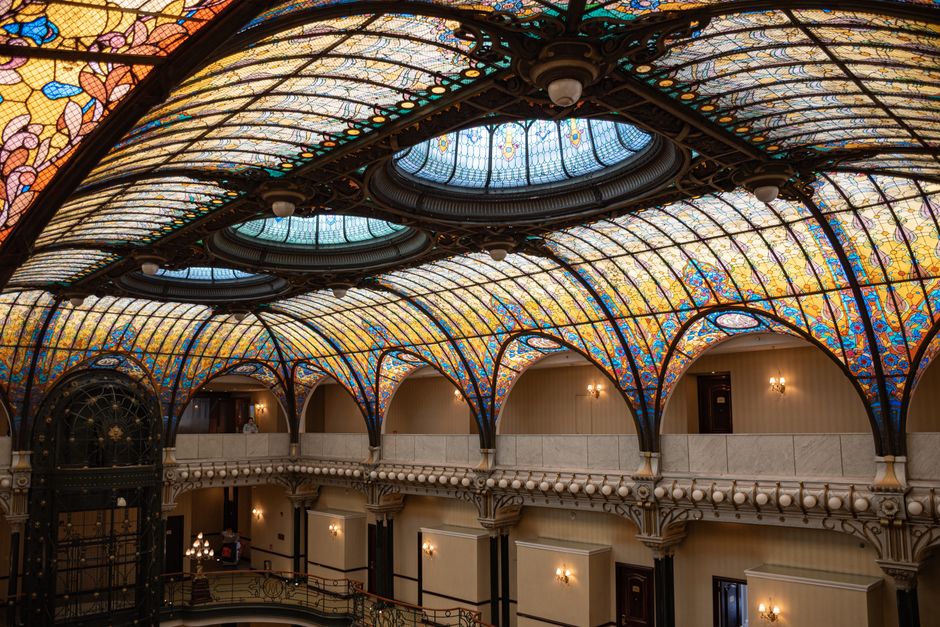
7. Ludwig Museum — Ludwig Museum of Contemporary Art (Művészetek Palotája)
Address: Ludwig Museum – Museum of Contemporary Art, Komor Marcell utca 1, 1095 Budapest (Palace of Arts / Müpa).
Indicative price: €8–12 (depending on the exhibition), reduced €5–8. Tickets for Müpa performances sold separately.
Typical hours: Tuesday–Sunday 10:00–18:00, closures possible due to concert hall events; closed Monday.
The Ludwig Museum is Budapest’s showcase for modern and contemporary art. Located in the Müpa complex on the south bank of the Danube, it presents international contemporary collections, multimedia installations and exhibitions that explore links between Hungarian art and global scenes. The building’s contemporary architecture, with its bright volumes and flexible galleries, is well suited to large installations and video work.
Highlights: holdings in pop art, minimalism and conceptual art, along with major private donations that bring notable European and American contemporary works. Temporary exhibitions are often provocative and innovative, and the program includes workshops and talks.
Local tip: combine the museum visit with a stroll along the Danube promenade or check for a concert at Müpa if schedules align. Contemporary shows can be challenging — read labels and wall texts for context. The museum shop offers a tasteful selection of books and design items.
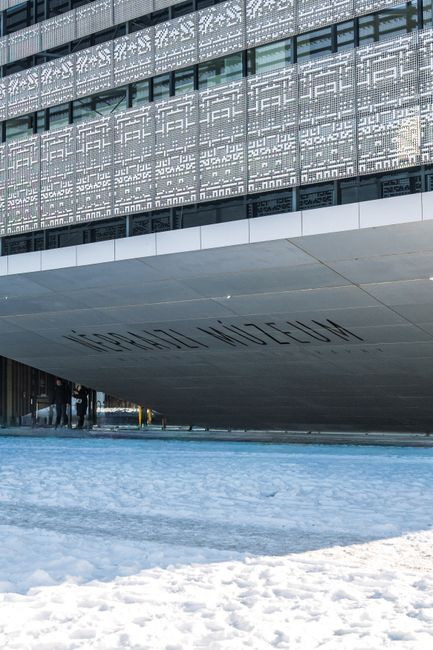
8. Hungarian Jewish Museum and Archives — House and Museum of Hungarian Jewry
Address: Magyar Zsidó Múzeum és Levéltár (Hungarian Jewish Museum and Archives), Dohány utca 2, 1074 Budapest (Dohány Street Synagogue complex).
Indicative price: €7 (adult full price), €4 (reduced), guided tours available; synagogue + museum combined tickets often around €15.
Typical hours: Sunday–Thursday 10:00–18:00, Friday mornings 10:00–13:00 (closes before Shabbat), Saturday closed. Hours vary during Jewish holidays; check before visiting.
Located within the largest Jewish center in Europe, this museum traces Jewish life in Hungary through ritual objects, documents, photographs and personal testimonies. The permanent exhibition covers cultural, religious and social history up to the tragedies of the 20th century and contemporary memory. The ground floor and lower rooms are designed to offer both educational and moving perspectives.
Highlights: significant collections of ritual objects, textiles, family archives and temporary exhibitions about Jewish cultural life in Hungary. The museum visit is inseparable from the Dohány Street Synagogue and the Holocaust memorials nearby; together they form a central commemorative route for understanding Jewish presence in Budapest.
Local tip: respect dress and timing rules related to Shabbat; book a guided tour to deepen your understanding of the artifacts and historical contexts. Afterward, wander the Jewish Quarter (around Kazinczy utca) for trendy cafés, street art and independent shops.
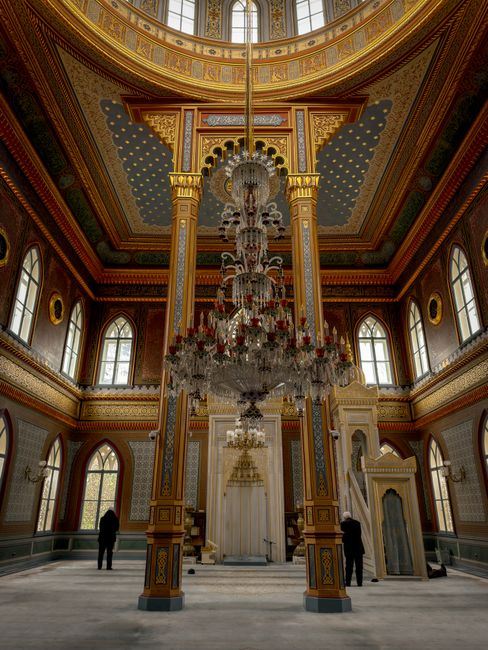
9. Műcsarnok (Hall of Art) — Kunsthalle Budapest
Address: Műcsarnok / Hall of Art, Dózsa György út 37, 1146 Budapest (Heroes’ Square / Hősök tere).
Indicative price: €6–10 depending on the show, student and senior reductions available. Free entry for some public events.
Typical hours: Tuesday–Sunday 10:00–18:00, closed Monday; extended hours for special events and openings.
The Műcsarnok, or Hall of Art, is an institution focused on modern and contemporary exhibitions, highlighting temporary shows and the Hungarian and international art scene. Also located on Heroes’ Square, it complements the Museum of Fine Arts by showcasing more experimental practices: installations, collages, performances and group shows that probe contemporary creation.
Highlights: a lively program, thematic exhibitions, performances and symposia. It’s ideal for visitors who want a vivid sense of Hungary’s contemporary art scene and for those looking to discover emerging artists and interdisciplinary approaches.
Local tip: check the opening calendar — vernissages are great opportunities to meet artists. The proximity to Heroes’ Square and the park gives you a green break between visits. Buy tickets online for high-demand exhibitions.
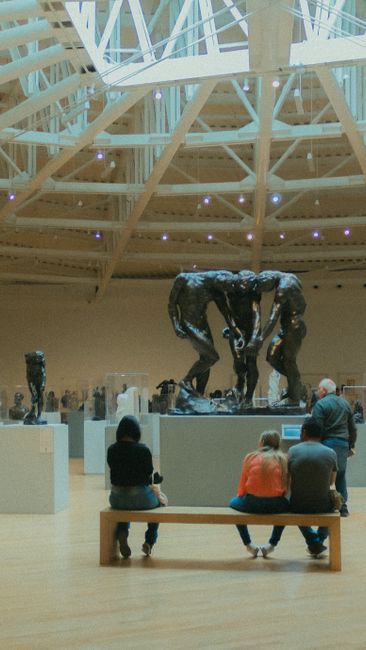
10. Hopp Ferenc Museum — Hopp Ferenc East Asian Art Museum
Address: Hopp Ferenc Kelet-Ázsiai Művészeti Múzeum, Andrássy út 103, 1062 Budapest.
Indicative price: €5–8 (adult full price), €3–5 (reduced), temporary exhibitions extra.
Typical hours: Tuesday–Sunday 10:00–18:00, closed Monday; hours may change for special exhibitions.
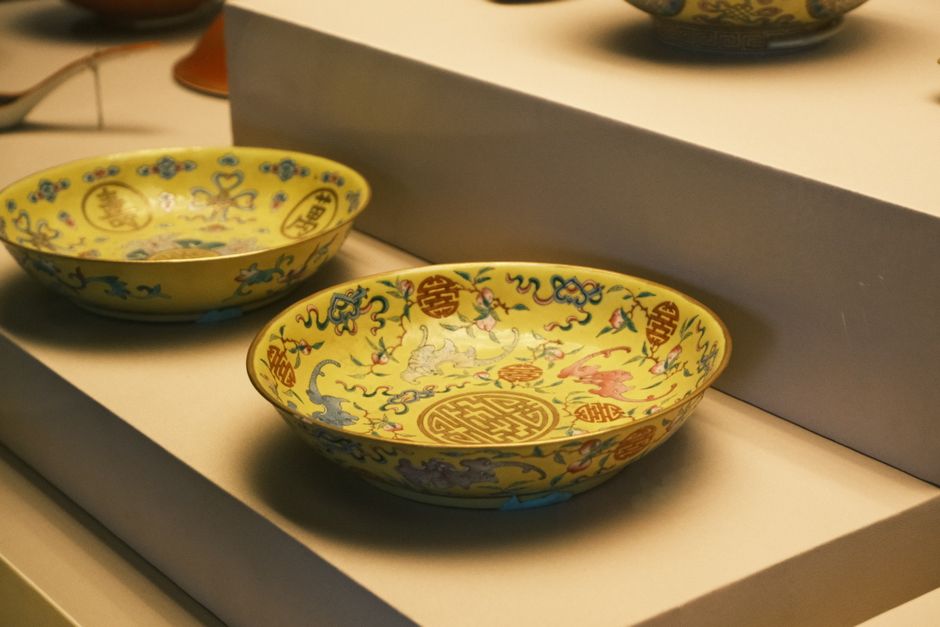
The Hopp Ferenc Museum is a fascinating introduction to East Asian art: ceramics, sculptures, silk paintings, lacquerware and textiles. Built around the collection of a Hungarian collector passionate about Asian culture, the museum offers an intimate, educational atmosphere. Galleries are organized by region and technique, making it easy to appreciate the aesthetic and technical differences between Chinese, Japanese and other East Asian traditions.
Highlights: rare ceramics, ritual objects, lacquer pieces and calligraphy. Temporary shows sometimes trace cultural exchanges between Europe and Asia or feature international loans.
Local tip: this museum is perfect for a relaxed morning or late-afternoon visit; the shop stocks specialist books and high-quality reproductions. Paired with the historic cafés on Andrássy út, it creates a lovely contrast between Oriental art and European elegance.
Conclusion — Planning your museum week in Budapest
A week in Budapest gives you time to explore ten major museums in depth while balancing cultural focus and relaxation. To get the most from this itinerary: organize visits by neighborhood (Heroes’ Square for the Museum of Fine Arts and Műcsarnok; Castle Hill for the National Gallery and the History Museum; Andrássy út for the House of Terror and the Hopp), favor mornings for the busiest places and late afternoons to enjoy terraces and Danube views. Buying tickets online is recommended for the big institutions (National Museum, Museum of Fine Arts, House of Terror) — it will save time and sometimes money thanks to skip-the-line or combined offers.
A few extra practical tips: buy a transport pass (a “Budapest Card” or multi-ride tickets) if you plan lots of bus/tram/metro trips; always double-check closing days (often Monday) and special hours for local holidays; carry a card accepted abroad and a small amount of cash for souvenirs and small purchases. Follow photography rules inside museums — some rooms forbid flash or any photography. And leave room in your schedule for detours: independent galleries in the Jewish Quarter, artisan workshops, markets and literary cafés.
Budapest is a city where one museum leads to another: history, art and memory are in constant dialogue. Following this ten-museum route gives you a rich and varied overview, from great European masters to contemporary expressions and essential memorial institutions. Whether you love old art, are curious about history, or are passionate about decorative arts and design, Budapest offers dense and complementary museum experiences. Enjoy your cultural trip — and remember: the best visit is often the one that pauses to admire a display case, listen to an enthusiastic guide, or simply savor a coffee between galleries.