





Introduction — Preparing Your Arrival in Budapest: Visas, Customs and Essential Paperwork
Budapest, the capital on the Danube and Hungary’s cultural heart, draws millions every year with its Art Nouveau architecture, thermal baths and rich history. But before you soak in Széchenyi, stroll across the Chain Bridge or sip coffee on Andrássy út, it’s important to get the administrative and customs steps right. This complete guide covers what to expect at the airport, at train stations and in the city, the types of visas, required documents, customs allowances, likely costs and useful addresses in Budapest. Its aim is to help you arrive calm and settle in without unpleasant surprises.
As a Schengen member state, Hungary follows common rules for short-term stays (Schengen “C” visas) and long-term stays (national “D” visas or residence permits). Whether you come as a tourist, student, posted worker or expat, each status requires specific paperwork: a valid passport, travel insurance with minimum cover, invitation letters, proof of accommodation, proof of financial means and sometimes a work permit. In Budapest, most administrative steps take place at specific locations: the international airport (Budapest Liszt Ferenc), immigration and registration offices around the city and, for certain formalities, police stations. This guide lists addresses, opening hours, prices in euros and practical tips to save you time.
Customs checks on arrival are another step to plan for. If you arrive from a non-EU country, you’ll be subject to import limits, food restrictions, rules on carrying currency and excise goods (alcohol, tobacco). Customs offices are present in airport terminals and at major rail and road border crossings. Additionally, tourists and new residents can make use of VAT refund services at Budapest Airport, provided they meet the conditions and minimum purchase amounts.
This practical, detailed guide contains concrete information: exact addresses (terminals, stations, administrations), indicative opening hours, prices in euros for visas and common fees, and local recommendations to avoid frequent mistakes. It also includes immersion tips for your first hour at the airport, transport options to reach the city centre (metro, official taxi, transfers) and useful reference points like trustworthy exchange desks and emergency numbers. Whether you’re a passing tourist, a student or a future resident, the goal is to give you a clear roadmap to navigate the formalities in Budapest and start enjoying Hungarian life quickly.

1) Before You Go: Picking the Right Visa and Preparing Your File (Documents, Fees, Insurance)
The first step before booking your flight to Budapest is to determine whether you need a visa. EU citizens do not need a visa to enter Hungary: a valid national ID card or passport is sufficient. For third-country nationals, Hungary follows Schengen rules. There are two main categories:
- Short-stay Schengen visa (Type C): valid for tourist or business stays up to 90 days within a 180-day period. It’s the most common visa for short visits.
- National long-stay visa (Type D) / residence permit: required for studies, employment, family reunification or stays longer than 90 days. You apply through the Hungarian embassy or consulate in your country, then finalise the residence permit with the Immigration Office in Hungary.
Common documents required for a Schengen visa (typical list—always verify with the consulate):
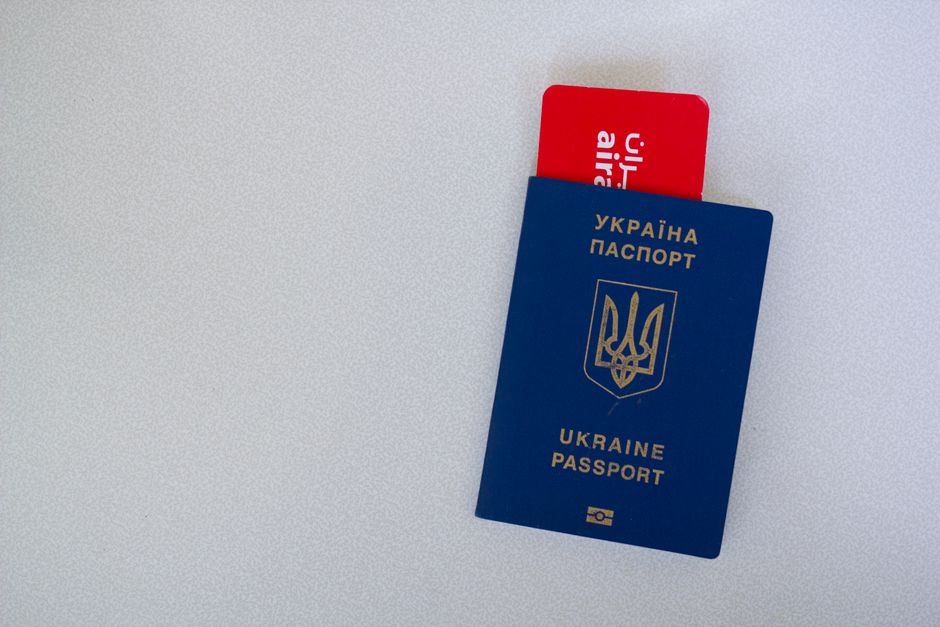
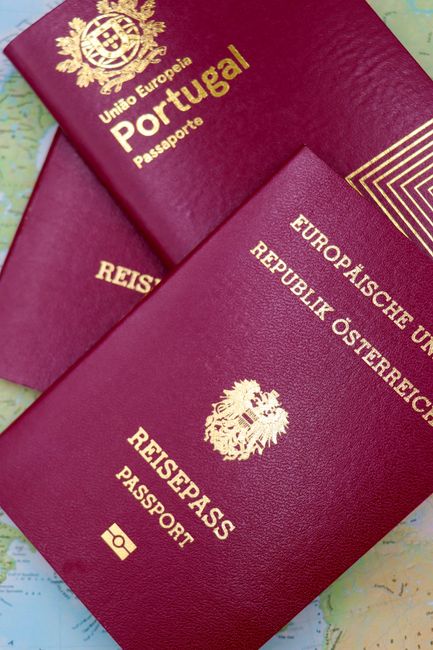
- Passport valid at least 3 months beyond the planned date of exit from the Schengen Area and containing at least two blank pages.
- Completed and signed visa application form.
- Passport photo meeting standards (35 x 45 mm).
- Round-trip flight reservation or travel itinerary.
- Proof of accommodation: hotel booking or invitation letter (official invitation if staying with a resident).
- Travel insurance covering €30,000 for emergency care and repatriation, valid in all Schengen countries.
- Proof of financial means: recent bank statements, credit card or sponsorship letter. Recommended amount: at least €50 per day, though requirements may vary by consulate.
Fees and processing times (indicative):
- Schengen visa fee: €80 for adults (standard rate), €40 for children aged 6–12, free for children under 6.
- National visa fees: variable (often between €60 and €120 depending on type). Check the local Hungarian consulate website.
- Average processing time: 15 working days for a Schengen visa, sometimes longer in high season or for incomplete files.
Useful contact in Budapest for information:
- Embassy and Consular Services in Budapest (information center) — Once in Hungary, the central authority is the Immigration Office / National Directorate-General for Aliens Policing. Contact details and procedures are published on the official Interior Ministry website. Always check for updates before you travel.
Practical tips:
- Start your visa application at least 4–6 weeks before your planned departure to avoid delays.
- Make photocopies of all documents and keep originals separately during travel.
- Buy insurance that provides at least €30,000 medical emergency cover and keep both paper and digital proof.
- If you plan to work or study, check additional requirements (employment contract, university admission, work permit) before you travel.
2) On Arrival at Budapest Liszt Ferenc Airport: Immigration, Customs and First Steps
Budapest’s international airport, officially Budapest Liszt Ferenc International Airport, is the main entry point for most visitors. Address: Budapest Liszt Ferenc International Airport, 1185 Budapest, Vecsési út 1-3, Hungary. The busiest terminals are Terminal 2A and 2B (Schengen and non‑Schengen passengers depending on flights). On arrival, follow signs for « Arrivals » then « Passport Control / Immigration. » Here’s what to expect:
- Immigration control: Officers will check your passport, visa (if required) and sometimes proof of accommodation and financial means. Have your documents ready before you reach the counter. Opening hours: controls run 24/7 aligned with flight arrivals; booths are staffed when international flights arrive. Estimated time: between 5 and 60 minutes depending on queues.
- Customs: After collecting baggage you’ll pass customs control. If arriving from a non-EU country, respect allowances: typically 200 cigarettes or 50 cigars or 250 g of tobacco, 1 litre of spirits over 22% or 2 litres of alcohol up to 22% and 4 litres of wine (indicative rules), 1 kg of coffee or 200 units of other goods. For quantities above these limits or for commercial goods, declare them at the customs office. Customs desks are located at the main exits of the terminals. Hours: customs services are generally available 24/7 at Terminal 2.
- Currency declarations: If you carry more than €10,000 in cash, you must declare it to the authorities. Declarations are made at the customs office in the arrivals halls.
If you need to declare goods or request a VAT refund (tax free), head to the NAV (Nemzeti Adó- és Vámhivatal — National Tax and Customs Administration) desks in the arrivals hall. For VAT refunds, have the forms provided by the shops, your original invoices and the unused items available for inspection. The VAT refund office at Budapest Airport (Terminal 2) is usually open according to international flight schedules; check opening times on the airport website or with your carrier.
Transport options to the city centre:
- Metro + bus: Take bus 200E from Terminal 2 to Kőbánya-Kispest station, then Metro Line 3 (M3). Cost: a single ticket about 350 HUF (≈ €0.90) if bought in advance; tickets are available at kiosks or machines in the airport. Duration: 30–45 minutes depending on destination.
- Bus 100E: direct shuttle to the centre (Deák Ferenc tér). Price: around 1,500 HUF (≈ €4) for a guaranteed connection to the downtown area. Timetable: service varies—check Budapest Airport’s site.
- Official taxi: licensed companies operate from the stands in front of the terminals. Approximate fare to the city centre (District V — Belváros): 7,000–11,000 HUF (≈ €20–30) depending on traffic. Always take an official taxi with a meter or book via the airport app.
Practical tips:
- Keep all travel documents handy (passport, visa, insurance, proof of accommodation) as checks can be random.
- If you carry expensive items or are on a sponsored/long stay, prepare an invitation letter or contract to justify your purpose.
- Carry some euros for immediate small expenses, but exchange to forints (HUF) at official desks or withdraw cash at airport ATMs for better rates.
3) In Budapest: Registering Your Residence, Residence Permits and Local Administrative Steps
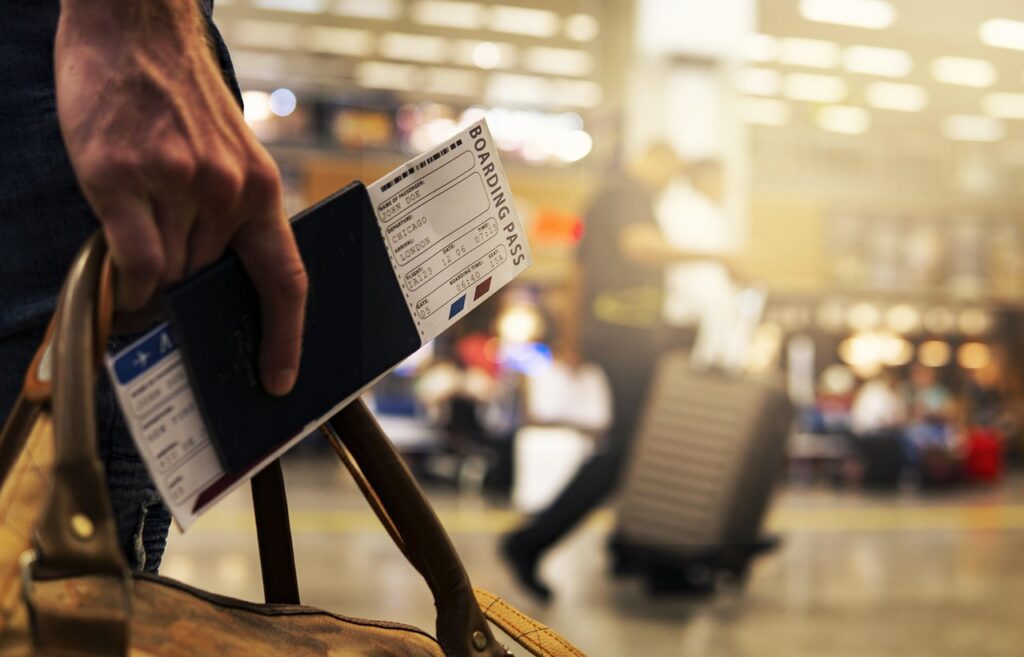
If you plan to stay more than 90 days or want to live in Budapest, you’ll need to start additional procedures to obtain a residence permit. Hungary centralises immigration procedures through the National Directorate-General for Aliens Policing (Országos Idegenrendészeti Főigazgatóság). Reception offices and registration centres are located in several places across Budapest. Official information, forms and appointments are usually handled online via the Interior Ministry portal.
Common procedures and useful addresses:
- Police and address registration (address registration): After settling in, you must register your place of residence. For non-EU citizens, address registration can be completed at the competent immigration service. A frequently used office by expats: Budapest Police Headquarters — Budapesti Rendőr-főkapitányság, address: 1055 Budapest, Szalay utca 7. Typical hours: Monday–Friday 08:00–16:00 (check exact times before visiting). You can get information there on temporary registration and administrative formalities in Hungary.
- Residence permits and appointments (Immigration Office): Applications for residence permits for work, studies or family reunification are submitted to the national immigration service. Locations and opening hours vary; you must make an appointment online via the official portal. Required documents: application form, passport, photos, proof of accommodation, employment contract or admission letter, health insurance, proof of finances and possibly a criminal record certificate translated and apostilled depending on circumstances.
- Tax identification number (adószám) and social security: To work legally you’ll need a Hungarian tax number and social security registration (TAJ). Hungarian employers usually assist with these steps. The central tax authority is the Nemzeti Adó- és Vámhivatal (NAV) — contact point in Budapest: NAV Central Customer Service, 1044 Budapest, Váci út 45-47. Hours vary; appointments are recommended.
Costs and processing times:
- Residence permit application fees: variable depending on purpose, often between €60 and €120 for initial processing (check current rates on the official site).
- Processing time: from a few weeks to several months depending on file complexity and workload. Expect at least 30 days for a basic work permit application.
Practical settling-in tips:
- Book online appointments as early as possible: slots can be full weeks in advance, especially in high season or when new visa sessions open.
- Provide certified translations when required (civil status documents, degrees, criminal records). Sworn translations are often requested.
- Keep paper and digital copies of all exchanges and proof of filing.
- Check with your employer or university: they often provide supporting letters, which can be essential to speed up certain requests.
- In case of emergency or uncertainty, your country’s embassy or consulate in Budapest can assist or provide practical information.
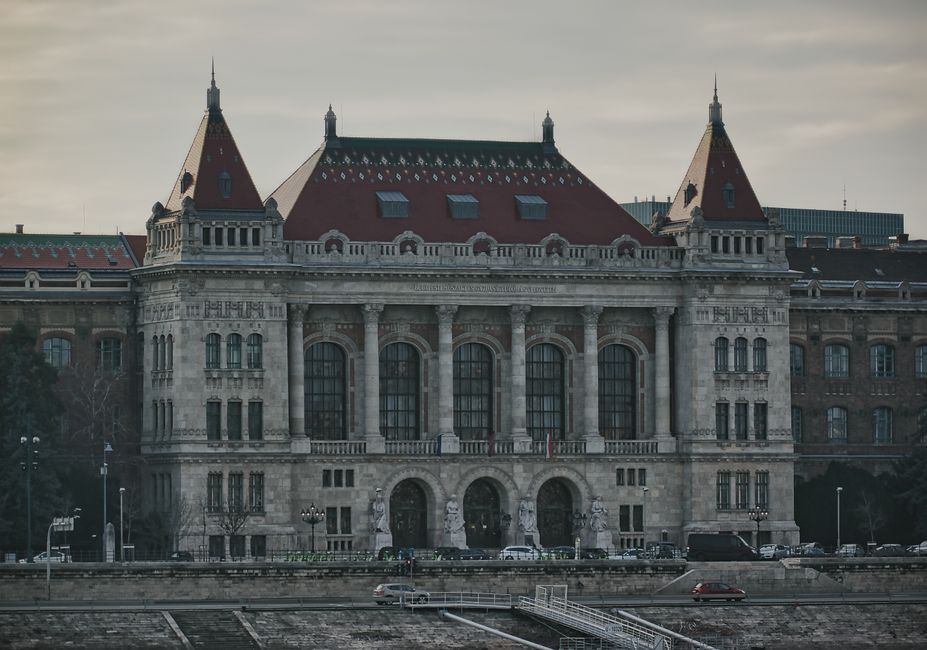
4) Customs, Taxes, VAT Refunds and Moving Goods Inside and Outside the EU
Customs rules can affect your arrival and departure from Hungary. If you travel from or to a non‑EU country, you need to know allowances and regulated items. For intra‑EU travel, free movement applies but checks may still occur for security reasons. Here’s what to remember.
Allowances and limits (arriving from outside the EU) — indicative figures:
- Tobacco: 200 cigarettes or 100 cigarillos or 50 cigars or 250 g of smoking tobacco.
- Alcohol: 1 litre of spirits over 22% or 2 litres of alcoholic beverages up to 22% + 4 litres of wine + 16 litres of beer (combinations possible).
- Other goods (gifts, personal items): total value roughly €430 for travellers aged 15 and over (amounts vary depending on transport mode and national rules).
Importing food and plant products:
- Restrictions exist for importing meat, dairy and certain plant products. If you carry unprocessed foodstuffs, check in advance: some items may be prohibited or require health certificates.
VAT refund (Tax Free):
Hungary charges VAT on most goods bought in the country. Non‑resident visitors (outside the EU) can request VAT refunds for purchases made in participating shops. Procedure and tips:
- Ask the retailer for a Tax Free form and keep the original invoice. Minimum purchase amounts depend on the shop; typically each store states its eligibility threshold (for example, 54,000 HUF ≈ €150 depending on the retailer).
- Before leaving Europe, present the unused goods, invoices and passport to the customs desk to have your forms stamped (at Budapest Liszt Ferenc Airport — Terminal 2). Without this stamp your claim won’t be refunded.
- After stamping, go to the refund operator’s counter (Global Blue, Planet, Innova, etc.) in the departures hall. Processing fees apply (usually 2–4% of the refundable amount plus sometimes a fixed commission).
Transporting vehicles and bulky goods:
- Temporary importation of a vehicle into the EU follows specific rules; prepare registration documents, insurance and sometimes a transport document. For longer stays, check with airport customs or NAV (Nemzeti Adó- és Vámhivatal).
Useful customs contacts and addresses:
- NAV Customs Service at Budapest Airport — present at Terminal 2 arrivals and departures for declarations and tax‑free stamping. Address: Budapest Liszt Ferenc International Airport, 1185 Budapest, Vecsési út 1-3. Open according to flight schedules, often 24/7 for international flights.
- Nemzeti Adó- és Vámhivatal (NAV) central office — Váci út 45-47, 1044 Budapest. Hours: variable; appointments recommended for complex tax questions.
Practical tips:
- Don’t hide goods: if undeclared items are found, fines and confiscations can be heavy.
- Photograph large purchases and keep proof of origin to avoid disputes at customs.
- For high‑value items (electronics, jewellery), keep original invoices and present them to customs if asked.
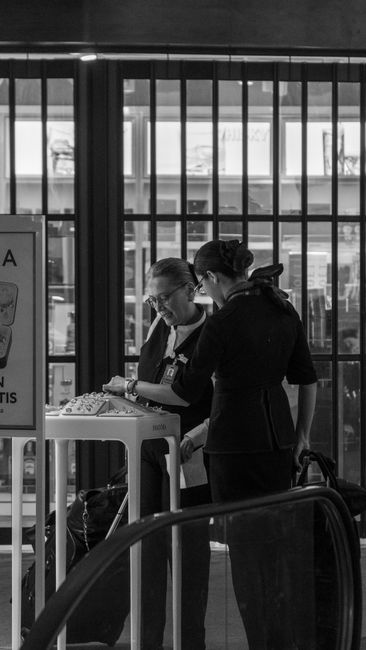
5) Local Tips, Practical Hacks and Emergency Resources in Budapest
After the formalities, here are local tips and practical resources to live and move around Budapest smoothly. These cover housing, money, health, transport and emergency contacts.
Health and insurance:
- Make sure you have health insurance covering Hungary. Emergency care is available, but fees may apply for foreigners without coverage.
- For non‑urgent medical needs, consider private clinics in Budapest. Examples: Central Clinic Budapest, Andrássy út 15, 1061 Budapest — phone: +36 1 880 96 50 (hours and fees vary, appointments recommended).
Money and payments:
- Local currency: Hungarian forint (HUF). Many places accept cards (Visa, Mastercard), but small shops and markets may require cash. Withdraw HUF from ATMs (DAB) for better exchange rates.
- Currency exchange: avoid bureaus with high commissions in tourist areas. Prefer banks or official ATMs.
Transport and getting around:
- Public transport network: metro (M1, M2, M3, M4), trams (notably tram 2 along the Danube), buses and trolleys. Validate your ticket before travel. Single tickets: buy from machines or via the BudapestGO app. 24h/72h passes available — about 1,650 HUF (≈ €4.5) for a 24‑hour pass (rates may change).
- Official taxis: use recognised companies (Főtaxi, CityTaxi) or ride‑hailing apps like Bolt. Always ask for an official receipt.
Safety and emergency numbers:
- General emergency number in Hungary: 112 (fire, police, ambulance) — service available in multiple languages in major cities.
- Local police in Budapest: Budapesti Rendőr-főkapitányság, Szalay utca 7, 1055 Budapest — for reporting incidents or obtaining documents.
Official resources and links to check:
- Airport website: Budapest Airport — for timetables, shuttles and services. Administrative address: Budapest Liszt Ferenc International Airport, 1185 Budapest, Vecsési út 1-3.
- National Directorate-General for Aliens Policing — official portal for visas and residence permits (check procedures and online appointments).
- Nemzeti Adó- és Vámhivatal (NAV) — information on customs and VAT.
Final local tips:
- Learn a few basic Hungarian words (hello = Jó napot, thank you = Köszönöm) — locals appreciate the effort and it eases interactions.
- Book administrative appointments in advance and arrive early: punctuality matters for official meetings.
- Keep a paper copy of important administrative documents (residence permit, contracts, invoices) and a digital backup in the cloud.

Conclusion — Arrive and Stay in Budapest with Confidence
Entering Hungary and settling in Budapest takes good preparation: choosing the right visa, assembling a complete file, understanding customs rules and following local formalities. By following the steps outlined in this guide — deciding the appropriate visa, preparing proof of accommodation and insurance, allowing for processing times, completing immigration checks at Budapest Liszt Ferenc Airport and knowing customs allowances — you’ll greatly reduce the risk of setbacks. The addresses and services mentioned (airport, NAV, local police) are handy reference points for on‑the‑ground procedures.
Remember regulations can change: visa fees, documentary requirements, customs allowances and office hours sometimes get updated. Always consult official sources before departure and before submitting applications (Hungarian consulate website, immigration portal, Budapest Airport and NAV). For on‑site formalities, book appointments online when possible, keep originals and copies separate, and don’t hesitate to ask your employer, university or embassy for help if in doubt. Private services (immigration lawyers, relocation agencies) can also save time and secure tricky steps, especially for work permits or family files.
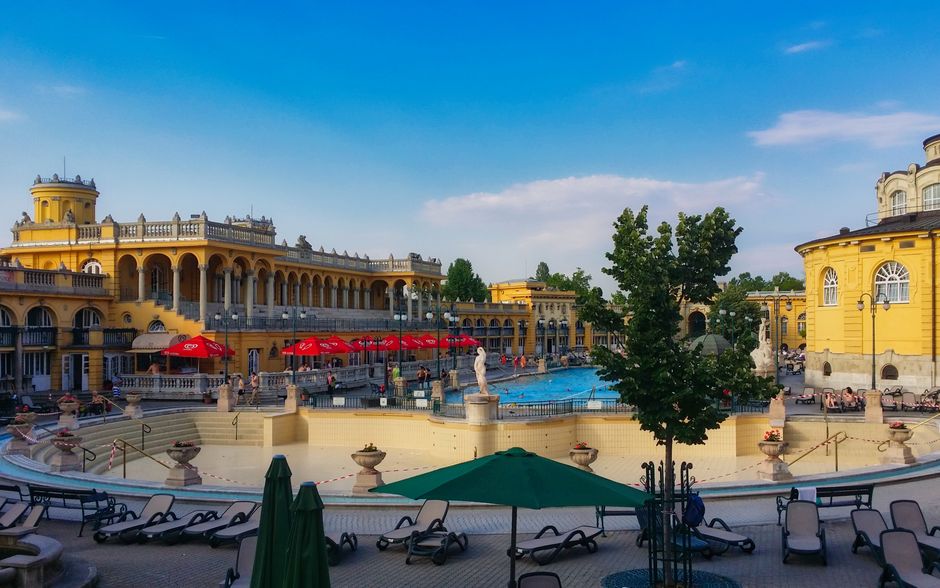
Finally, enjoy Budapest: once formalities are done, the city offers an excellent quality of life — thermal baths like Széchenyi (Széchenyi gyógyfürdő, Állatkerti krt. 9-11, 1146 Budapest), museums, restaurants and a reliable transport network. With the right documents in hand and the necessary steps taken, you’ll be free to soak up the Danube views, wander the historic Castle District (Budai Vár) and embrace local life. Have a great stay in Budapest — plan well, double‑check and travel with peace of mind!