





Introduction — Why picking the right tourist pass for 2–5 days in Budapest matters
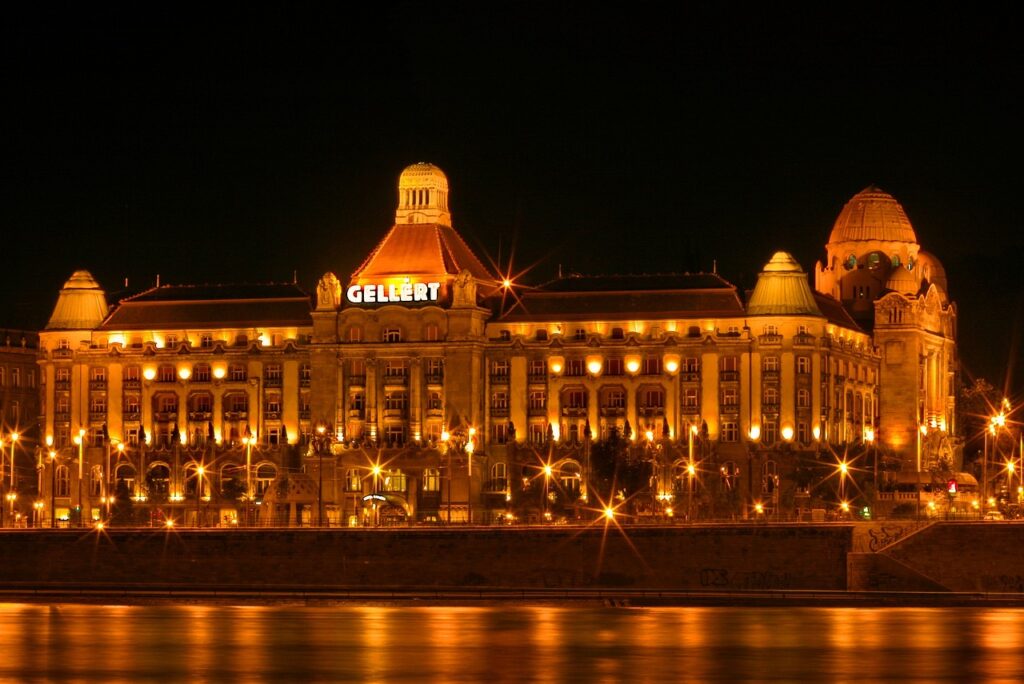
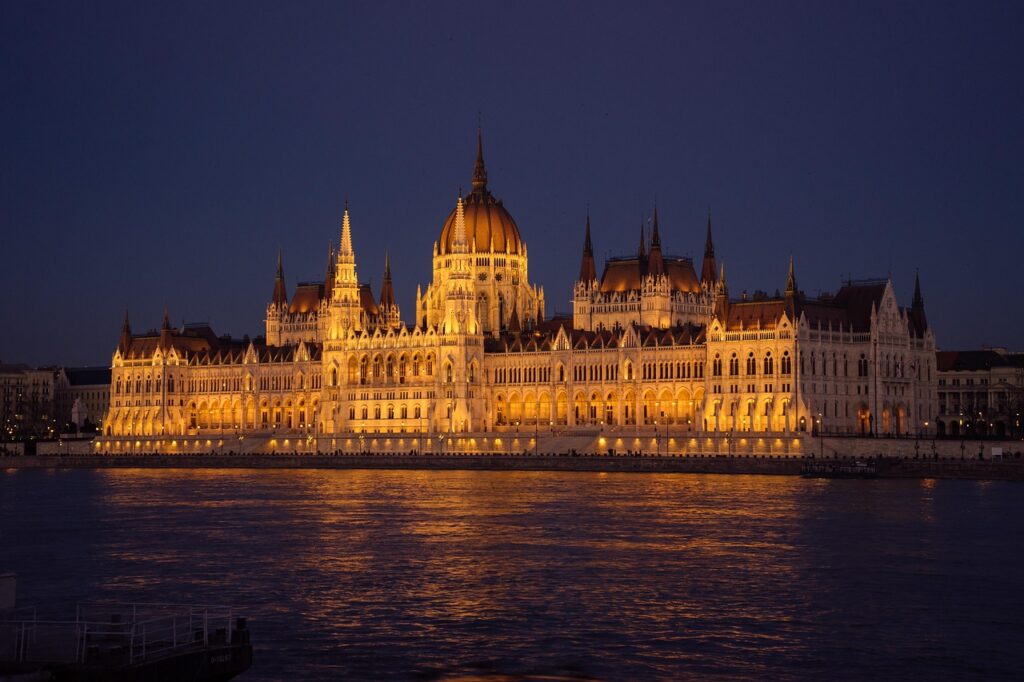
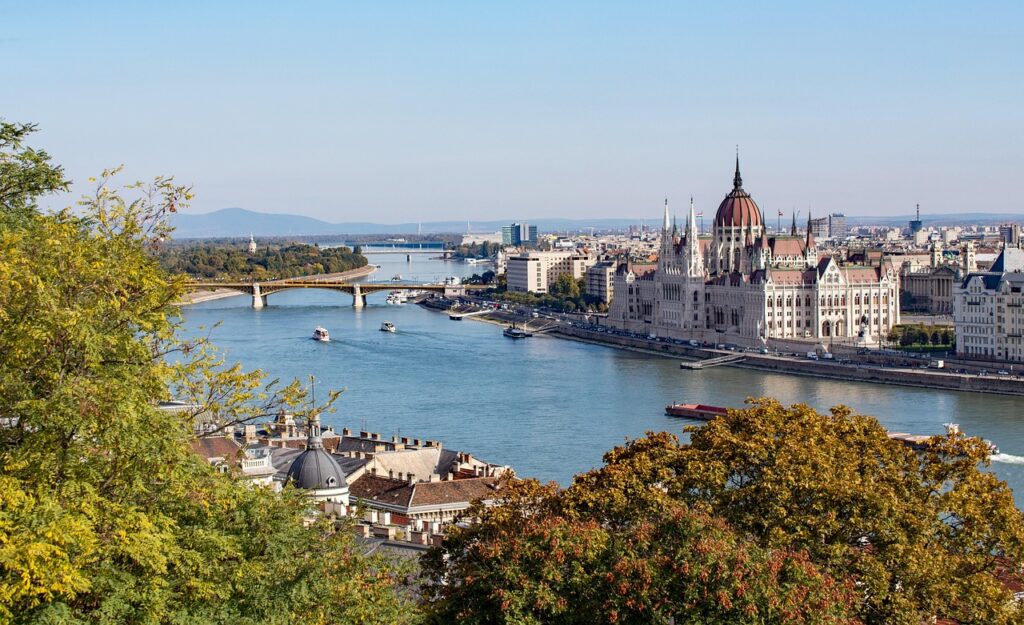
Budapest is compact yet surprisingly varied: UNESCO‑listed banks of the Danube, neo‑baroque thermal baths, wooded hills in Buda, wide avenues and bustling markets in Pest. For a 2 to 5 day trip, the key question isn’t only “what to see” but “how to make the most of your time and budget.” That’s where choosing the right tourist pass comes in: some include unlimited public transport, skip‑the‑line entry, discounts on museums and restaurants, river cruises and sometimes even access to the famous thermal baths. But not all passes are created equal, and the best option depends on your pace, priorities (museums vs. baths vs. walks), and even the season.
In this practical guide I break down the main passes available in Budapest, give addresses, opening hours and prices in euros (indicative), and share local tips and sample itineraries for 2, 3, 4 and 5 day stays. You’ll also find advice on avoiding queues, making the most of public transport, and combining passes with single tickets to save money. The goal: help you make an informed choice and buy the right pass before or during your trip.
Budapest offers two main families of useful passes for short stays: 1) transport passes issued by BKK (Budapest Transport Centre) that give simple, affordable access to metro, buses, trams and funiculars; 2) all‑in‑one tourist cards (official Budapest Card, Go City / Explorer Pass, Budapest City Pass) that bundle transport, museum entries and discounts. Some third‑party offers add excursions like a Danube cruise or a guided tour of the Hungarian Parliament. This guide compares those options using the key factors: duration (2–5 days), price in euros, coverage (transport only or more), included sites, where to buy, usage hours and practical tips for a smooth visit.
Before we dive in: think about your priorities. If your trip centres on baths (Széchenyi, Gellért), a pass that offers discounts or skip‑the‑line access to those sites might pay off. If you plan a lot of travel between spread‑out sights, a BKK transport pass combined with a few individual attraction tickets could be the best value. Finally, for travelers who want to see as many paid attractions as possible in a short time, an Explorer or City Pass can cut stress and save time.
1) Transport passes: simplicity and savings for 2–5 days
If your main goal is getting around easily between sights (Deák Ferenc tér, Oktogon, Elisabeth Bridge, Buda Castle, Heroes’ Square), the most pragmatic option is a BKK transport pass (Budapesti Közlekedési Központ). These tickets give access to the metro (lines M1, M2, M3, M4), trams, buses and trolleybuses, and sometimes specific transports like the Castle funicular.
Main transport tickets worth knowing:
- BKK 24‑hour travelcard — indicative price: 1 650 HUF (~€4.50). Valid 24 hours from first validation. Good for a very active day with many trips.
- BKK 48‑hour travelcard — indicative price: 2 650 HUF (~€7.20). Valid 48 hours. A solid choice for a short 2‑day stay.
- BKK 72‑hour travelcard — indicative price: 4 150 HUF (~€11.30). Valid 72 hours, handy for 3 intense days.
- 10‑ride ticket (with 25‑minute transfers) — around 3 000 HUF (~€8.20) for 10 rides. Interesting for 2 days if you walk a lot and take only a few trips.
Where to buy: tourist information offices and BKK ticket counters, ticket machines in metro stations, MV points of sale (for example Vörösmarty tér 5, 1051 Budapest — Tourist Information Centre). Main office address: Budapest Tourist Information, Kossuth Lajos utca 4, 1055 Budapest (check seasonal opening hours). Note: validation is done by inserting the ticket into the validators on metro platforms or validating on the bus/tram.
Hours: metros M2, M3 and M4 typically run from 04:30 to midnight (times vary by line), trams and buses have extended schedules and some night lines run. The Castle funicular (Sikló) — Szent György tér 2, 1014 Budapest — usually operates from 07:30 to 22:00; a specific round‑trip ticket costs about 1 000 HUF (~€2.70). For airport transfers, note that you often need a special ticket or a combination bus + train (the direct 100E bus costs about 2 200 HUF / ~€6).
Local tips:
- Always validate your ticket when entering the metro or on board buses/trams: inspections are frequent and fines are steep.
- For 2 days: if you expect more than 6 metro/tram trips, the 48‑hour travelcard may be worth it. For 3 days, the 72‑hour pass usually offers the best value.
- The BKK pass does not cover all tourist activities (for example entrance to baths or museums) — combine it with single tickets or a tourist pass if needed.
2) Official Budapest Card: the all‑in‑one option for 2–5 days
The official Budapest Card is aimed at travelers who want both unlimited transport and discounts or free entries to several museums and services. It typically includes: unlimited public transport, free entry to certain museums (Budapest History Museum, Museum of Fine Arts depending on the offer), discounts for baths such as Gellért or Széchenyi, discounts on river cruises and partner restaurants, and reductions for excursions and transfers.
Indicative prices (example):
- Budapest Card 24h — around €22.00
- Budapest Card 48h — around €32.00
- Budapest Card 72h — around €41.00
- Budapest Card 96h — around €50.00
- Child and family discounts may apply — check the official website before purchase.
Where to buy: the Budapest Card can be purchased online (official Budapest Card website), at tourist offices (for example Vörösmarty tér 2, 1051 Budapest), and sometimes at hotels and central kiosks. Present the card at the desk to claim included entries or discounts. The card activates on first use and is valid for the chosen duration.
Concrete examples of inclusions:
- Unlimited public transport for the duration of the pass (metro, tram, bus).
- Free or reduced entry to the Budapest History Museum — Budapest History Museum, Szent György tér 2, 1014 Budapest — typical hours 10:00–18:00, full price without pass ≈ 2 500 HUF (~€7).
- Discount for Széchenyi Thermal Bath — Széchenyi Gyógyfürdő és Uszoda, Állatkerti krt. 9‑11, 1146 Budapest — opening hours 06:00–22:00, standard entry ≈ 6 000–7 500 HUF (~€16–20) depending on options.
- Discounts on Danube cruises from Vigadó tér (river cruise boarding points), one‑hour cruise fares ≈ €15–20 without discount.
Pros and cons:
- Pro: simplicity — one card for transport and discounts, ideal for 3–4 days when you want to see a lot without juggling multiple tickets.
- Con: some must‑see attractions (guided interior tour of the Parliament, Széchenyi during peak hours, premium cruises) are only partially covered or require separate reservations.
- Money‑saving tip: total up the entrance fees you plan to use (Parliament, baths, museums) and compare to the card price to check if it’s worth it.
3) City Pass & Explorer Pass (Go City): flexibility for active travelers
À la carte passes like Go City Budapest (Explorer Pass) or City Passes sold by tour operators let you pick a number of attractions to visit from a list (for example: 3, 5 or 7 attractions). These passes are ideal if you know which paid sites you want to see and want to avoid queues by bundling entries.
How they work and pricing:
- Pick a pass for, say, 3 attractions, 5 attractions or 7 attractions. Indicative prices: 3 attractions ≈ €50–60, 5 attractions ≈ €80–95, 7 attractions ≈ €110–130 (prices vary with options and promotions).
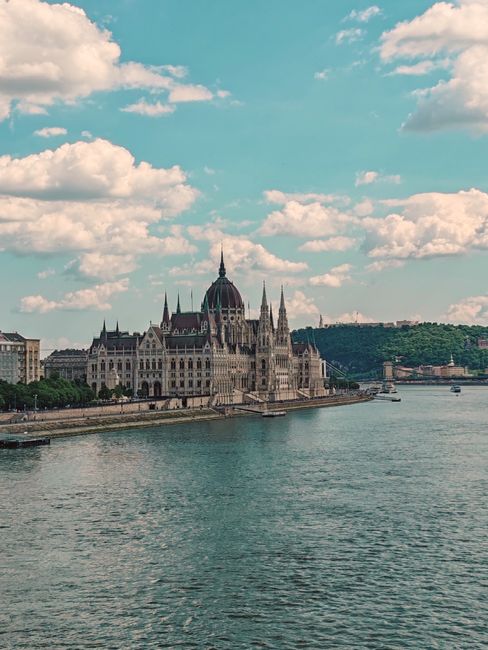
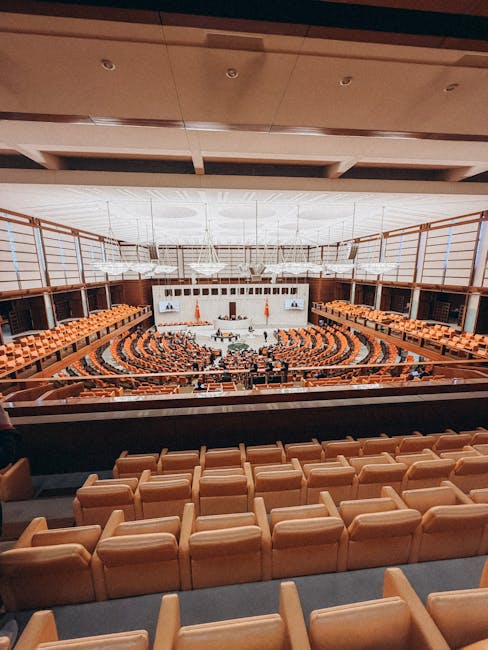
- Typical included attractions: guided tour of the Parliament (Kossuth Lajos tér 1‑3, 1055 Budapest), Danube cruise (boarding at Vigadó tér), entry to Buda Castle — Budapest Castle (Szent György tér 2, 1014 Budapest), Museum of Fine Arts (Dózsa György út 41, 1146 Budapest), Széchenyi Thermal Bath (discount or included entry depending on the pass).
- Buy online recommended; the pass usually activates at first use and remains valid for several days according to the provider’s policy (often up to 30 days to use the chosen number of attractions).
Strengths:
- Flexibility: only pay for the attractions you want, often with priority entry.
- Works well for 2–5 days if you plan several paid visits but limited travel (top up with a BKK pass for transport).
- Often a great value if you’re focused on pricey attractions like a Parliament tour or a scenic cruise.
Practical tips:
- Check whether the included Parliament tour requires an advance time slot reservation — seats are limited and tours run at specific times, typically between 08:00 and 16:00 depending on season. Address: Országház, Kossuth Lajos tér 1‑3, 1055 Budapest.
- Pair this pass with a BKK 48h/72h if you plan to move around a lot. Example: a 5‑attraction pass + BKK 72h for a 3‑day intensive visit.
- Be aware of extras: some attractions may charge supplements even if general admission is covered (e.g. special spa areas or premium services at baths).
4) Practical comparison: which pass for which traveler profile (2–5 days)?
To decide quickly, here are typical traveler profiles and the recommended pass for each:
- Express weekend (2 days) — “I want the highlights”: If you have 2 days, focus on iconic sights (Parliament, Buda Castle, Baths). Recommendation: BKK 48‑hour travelcard + separate purchase for the Parliament tour and a Széchenyi ticket (if you plan to bathe). Why: you save on transport and only pay for key attractions. Example approximate budget: BKK 48h ≈ €7.20 + Parliament ≈ €16 + Széchenyi ≈ €18 = €41.20.
- Full city (3 days) — “Museums and baths”: If you plan multiple museums and want to enjoy the baths, the Budapest Card 72h can be a winner (transport + discounts). Recommendation: Budapest Card 72h ≈ €41.00 (indicative). Advantage: simplicity and discounts across several sites. Remember to reserve popular guided tours in advance.
- Active trip (4–5 days) — “Explore at leisure”: For 4–5 days, combine a BKK 72h for the first three days then single tickets or BKK 24h as needed. If your plan includes 4–6 major paid attractions, an Explorer Pass (5–7 attractions) may be cost‑effective. Example: BKK 72h ≈ €11.30 + Explorer Pass 5 attractions ≈ €85 = €96.30 (compare to a Budapest Card 96h ≈ €50 depending on inclusions).
- Family travel: Look for passes with child discounts or free entries (often children <6 free, reductions for ages 6–14). Baths often offer child rates and family lockers (e.g. Széchenyi: child prices ≈ €4–10 depending on age).
Other things to consider:
- Opening hours vary by season: museums often 10:00–18:00, baths 06:00–22:00. Check online before you go.
- Prices here are estimates in euros; the local currency is the Hungarian forint (HUF). Rates can fluctuate with exchange and price updates.
- Some passes require a printed voucher or a QR code on your phone: carry both for peace of mind.
Conclusion — Quick summary and local tips to buy the best pass
Picking the right tourist pass for 2–5 days in Budapest means honestly assessing your pace and priorities. If mobility and numerous trips between sights are your top concern, go for BKK tickets (24/48/72 hours) — they’re economical and straightforward. If you want the peace of mind of an all‑in‑one package and plan to visit multiple museums and enjoy discounts at baths, the official Budapest Card (24–96 hours) is an excellent choice. For very active visitors who want a set number of paid attractions, the Explorer / City Pass is the most flexible.
Final local tips:
- Book the Parliament tour and popular bath entries (Széchenyi, Gellért) online and in advance to avoid queues and sold‑out slots, especially on weekends and in high season (May–September).
- Consider combining a BKK 48/72h for transport + an Explorer Pass for attractions: often more economical and flexible than an all‑in‑one card if your interests are specific.
- Check opening hours in real time: for example Széchenyi Gyógyfürdő, Állatkerti krt. 9‑11, 1146 Budapest, usually opens 06:00–22:00 but may have special evening events. Gellért Thermal Bath — Szent Gellért tér 1, 1111 Budapest, commonly opens 06:00–20:00 depending on the season.
- Always keep some forints cash for small purchases; cards are accepted in most places but some kiosks or ticket booths prefer cash.
- For airport transfers, check whether your pass covers the 100E direct bus — it’s often not included in conventional BKK passes.
In short: for 2 days, the most efficient solution is often BKK 48h + a few key tickets (Parliament, bath). For 3 days, the Budapest Card 72h is very convenient. For 4–5 days, combine BKK and an Explorer Pass or buy the Budapest Card 96h depending on planned activities. Always compare the total cost of planned entries and transport against the pass price — that’s the surefire way to avoid unnecessary spending. Enjoy Budapest: stroll along the Danube at sunset, grab a Hungarian pretzel at the Great Market Hall (Vámház krt. 1‑3, 1093 Budapest), soak in the thermal steam and discover a city best explored both on foot and with a smart use of tourist passes.