





Introduction: Why this guide to scams in Budapest is essential
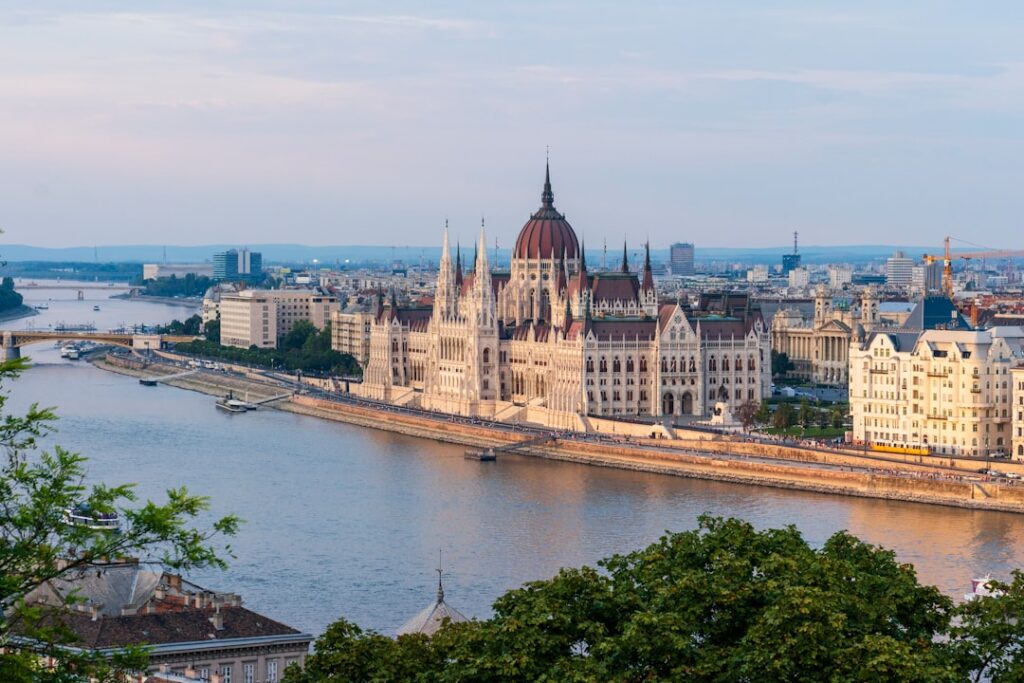
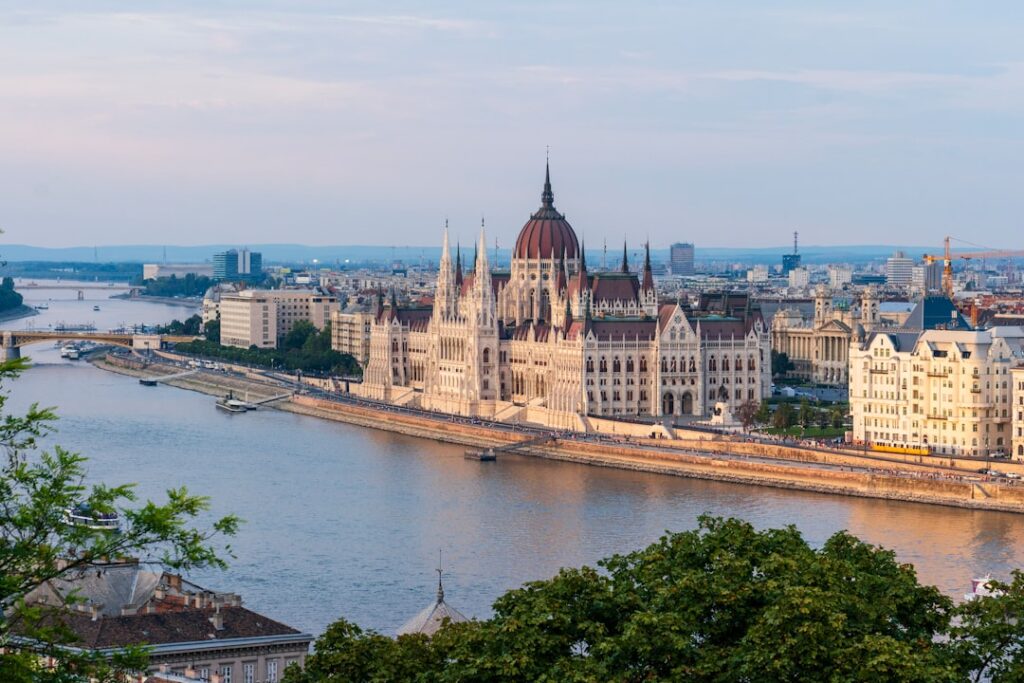
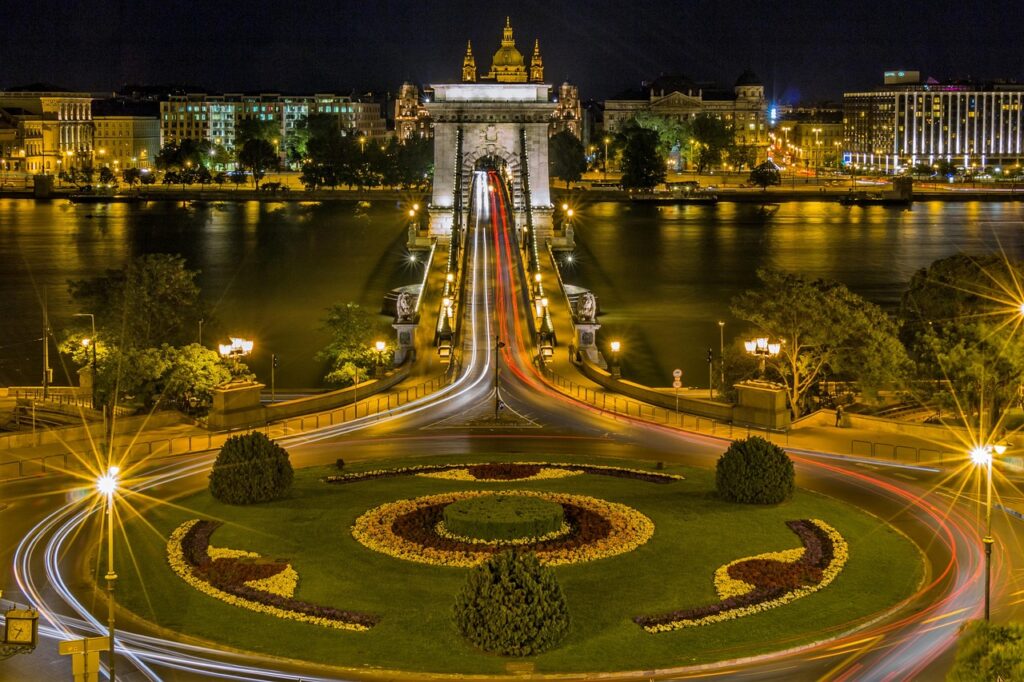
Budapest is a stunning city, packed with gorgeous architecture, thermal baths and a lively nightlife. Travelers flock here to see the Hungarian Parliament, relax at the Széchenyi Baths (Széchenyi Gyógyfürdő, Állatkerti krt. 9-11, 1146 Budapest) or walk across the Chain Bridge (Széchenyi Lánchíd, Budapest, 1051) at sunset. But like any major tourist destination, there are scams aimed at visitors — from taxi rip-offs to organised pickpocket rings. Knowing the most common tricks and how to spot them won’t just save you money; it will keep your trip calm and enjoyable.
This guide, aimed at the average traveler, covers Budapest’s most frequent scams with detailed descriptions, specific addresses, example prices in euros, plus practical tips and what to do if you encounter a scam attempt. I also include visual cues and exact locations — like Váci utca (Váci utca 1-3, 1052 Budapest), the busiest shopping street; Budapest Keleti station (Budapest Keleti pályaudvar, Baross tér 11, 1087 Budapest); and Budapest Ferenc Liszt International Airport (Ferihegy, Budapest 1185) — so you know exactly where to be extra cautious.
This article contains practical info (opening hours, approximate prices, emergency numbers) and concrete local advice: how to check a taxi is official, how to use an ATM safely, which exchange offices to avoid and where to find reliable services in Budapest. I also flag newer scam variations that have popped up in recent years, like fake police asking for ID, overly aggressive street vendors, and tricks involving tickets and public transport cards.
Before we dive in, keep three golden rules in mind:
- Stay calm and wary: scammers rely on panic or haste.
- Verify: ask for written info, prices and receipts — in euros if possible.
- Be prepared: carry a city map, emergency numbers and a small amount of HUF and euros for simple situations.
1) Taxi scams: how to spot them and avoid them
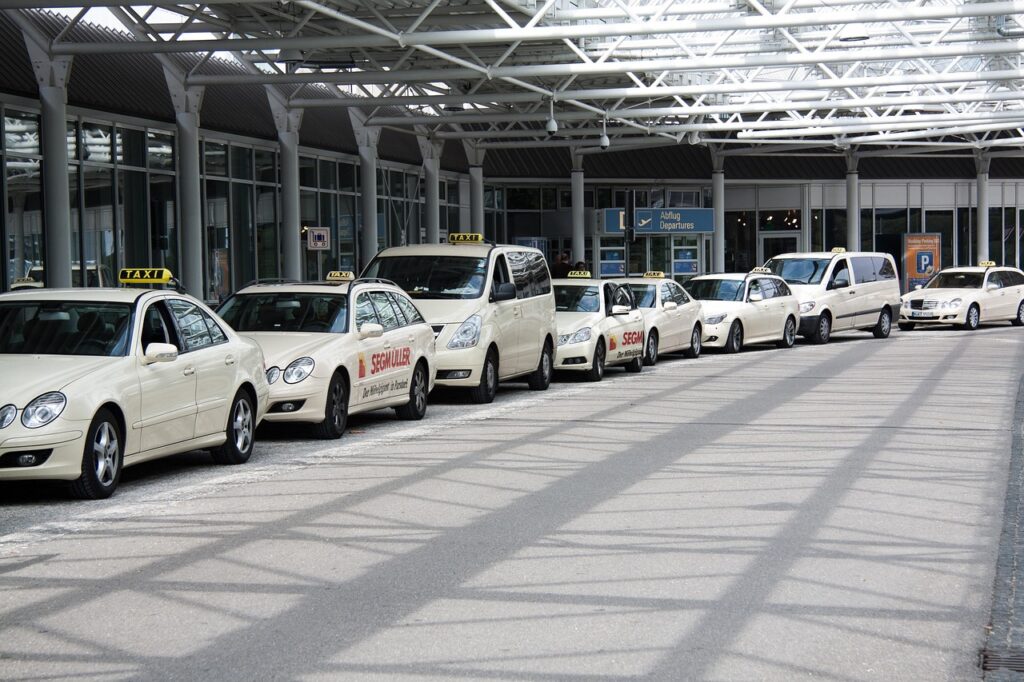
Taxis are a common source of scams in Budapest. Typical setups include tampered meters, drivers refusing to use the meter, deliberately long routes to increase the fare, or drivers insisting on cash only and inflating the price. The fix: stick to official taxis and trusted alternatives.
Addresses and points to note:
- Budapest Liszt Ferenc Airport – Taxi Rank: Budapest Ferenc Liszt International Airport, Terminal 2, Ferihegy, 1185 Budapest. At the terminal, use the official queues or pre-book a transfer via the terminal’s official app. Typical price to the city center (c. 2019–2025): about €25–35 depending on destination and traffic. Check the rate at the official airport desk before you get in.
- 30-40 Taxi Company (central dispatch): call +36 30 30 30 000 (central address: Deák Ferenc u. 3, 1052 Budapest). Typical fares: minimum 700–900 HUF (≈€1.80–€2.40) for pickup, then about 300 HUF/km (≈€0.80). Always ask for an estimate.
Practical tips:
- Never let the driver choose the route without watching it: use Google Maps or any GPS app. If the route becomes unusually long, ask to get out.
- Prefer taxis with a visible meter and note the license plate number. Official Budapest taxis are often cream/yellow and marked « TAXI. » Decline informal offers outside bars or stations if they seem unofficial.
- Use reputable ride apps like Bolt or Főtaxi (Főtaxi Central: Váci út 27, 1134 Budapest, call +36 1 222 2222). App prices are usually reliable and often allow card payment, reducing the risk of overcharging.
Common scenarios:
- The « broken » meter: the driver claims the meter is broken and offers a flat rate. Only accept if the price is clearly stated; otherwise call another taxi.
- The « tourist detour »: some drivers, spotting tourists, take longer streets or unnecessary toll routes. Check the journey on your phone and call it out if needed.
2) Restaurant and bar scams, and tourist-trap tactics
Scams in eateries are often subtle and upsetting: inflated bills, dishes you didn’t order, undisclosed service charges, or two-tier menus for tourists. In high-traffic areas like Váci utca (Váci utca 1-3, 1052 Budapest), restaurants and bars may exploit unfamiliarity with currency conversion.
Hotspots to watch:
- Váci utca and surroundings (Váci utca 1-3, 1052 Budapest and Vörösmarty tér 5): many places run two-tier menus — one price in HUF for locals and a higher euro price for tourists. Be wary of menus without prices or added extras you didn’t order.
- Ruin bars like Szimpla Kert (Kazinczy utca 14, 1075 Budapest). Great atmosphere but stay alert: if you sit at a table, clarify how orders are recorded and check that your drinks are noted correctly before paying. Typical opening hours: 10:00–02:00 (seasonal variation possible).
Before and during a meal:
- Ask for a menu with clear prices in HUF or euros. If a waiter insists on calculating in euros without providing an official exchange rate, ask for a written conversion or refuse.
- Inspect the bill carefully before paying. Service charges should be clearly shown — they’re uncommon in Budapest and usually under 10% when applied. If a gratuity is added automatically without prior notice, dispute it calmly.
- Avoid places offering a « tourist special menu » with only cash payments. Prefer establishments with a visible card terminal (look for CB signage). Ask for an official receipt (számla) for any expense, especially when paying cash.
Concrete example:
A typical downtown lunch: goulash + bread + non-alcoholic drink = about €8–12. A mid-range dinner near the Parliament (Kossuth Lajos tér) might be €20–35 per person. If your final bill exceeds these ranges significantly without explanation, ask for a written breakdown of charges.
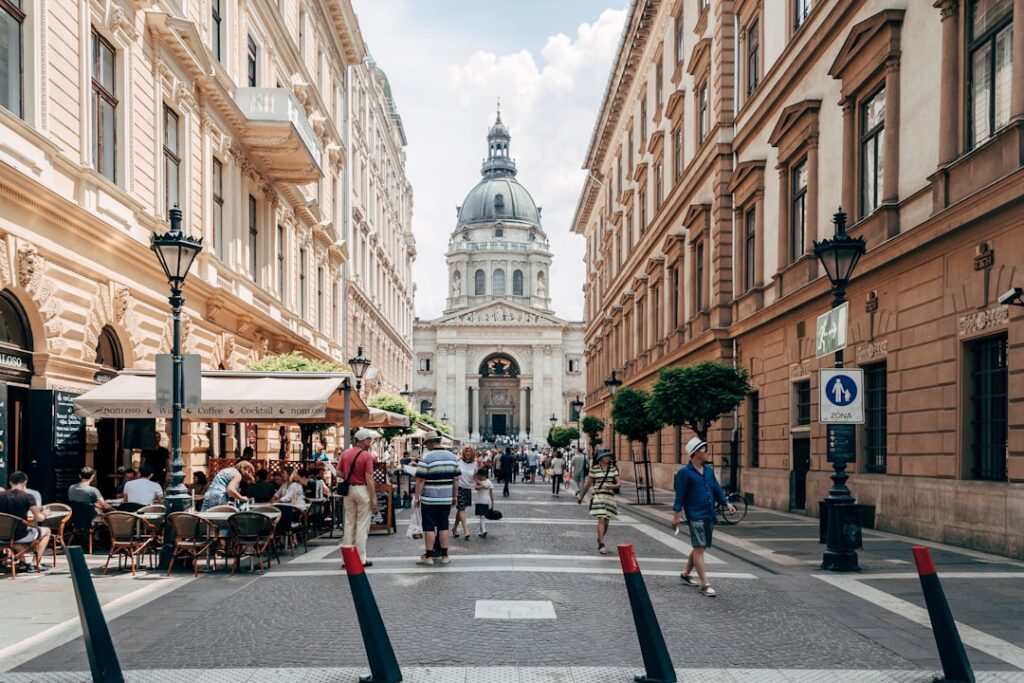
3) Pickpockets and street scams: locations, techniques and protective moves
Pickpockets operate where crowds gather: metros, trams, tourist markets and landmark sites. Places like Deák Ferenc tér metro station (Deák Ferenc tér, 1052 Budapest), Budapest-Keleti station (Keleti pályaudvar, Baross tér 11, 1087 Budapest) and the area around the Hungarian Parliament (Országház, Kossuth Lajos tér 1-3, 1055 Budapest) are hot spots.
Common technique: distraction
A partner will bump into you or point out something (a dropped banknote, a staged argument) while another rummages your bag. Open shoulder bags are prime targets. Keep your belongings zipped, carry bags in front of you or under your arm, and avoid pulling valuables out in a crowd.
Common technique: the « freebie » or « bracelet » trick
Someone offers to tie a « souvenir » bracelet or get you to sign a petition, then demands money, sometimes aggressively. Decline politely and step away. If you’re surrounded, look for security staff, a nearby café or an official shop.
Preventive measures:
- Transport: Budapest public transport tickets (Biljet) — a single fare costs around 450 HUF (~€1.10), and a day pass is about 1650 HUF (~€4.00). Always validate your ticket in the machines and keep it until the end of the journey to avoid tickets inspectors — a fine can reach several thousand forints (≥€20–30).
- Anti-theft bags: use a bag with a zip and wear it in front in crowds. Money belts worn under clothing are a good alternative.
- Documents: keep a copy of your passport separate and carry only a photocopy or ID for short outings.
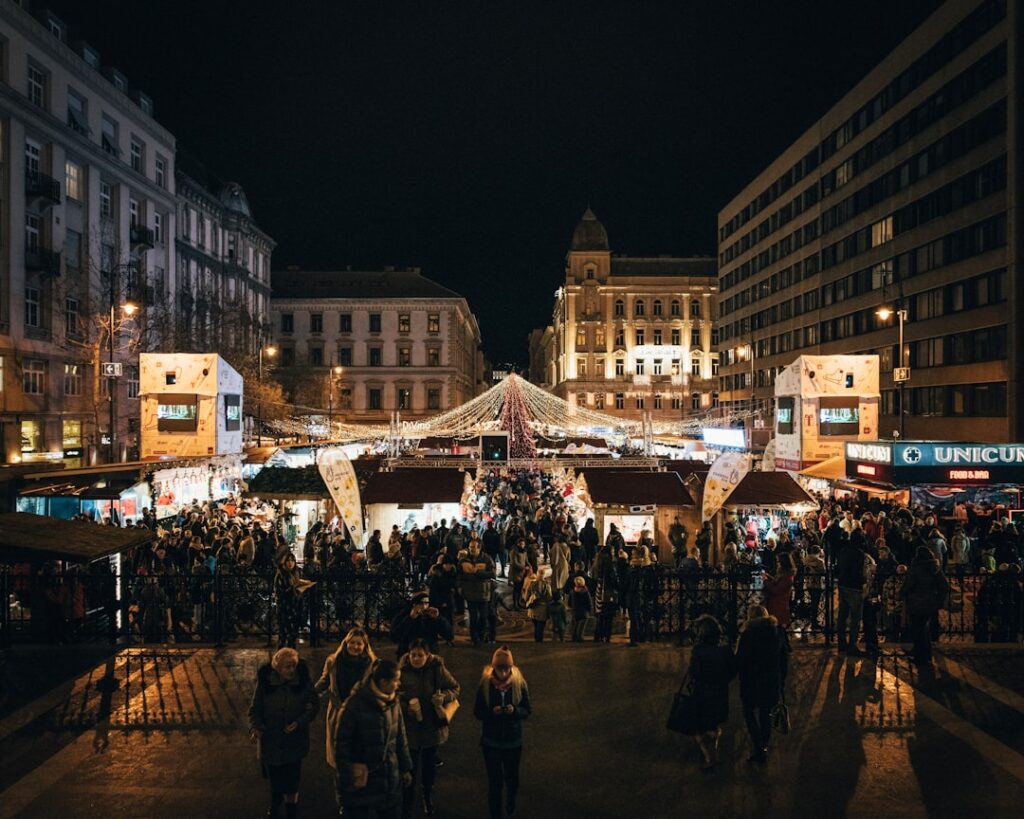
4) Currency exchange, ATMs and banking fraud: best practices
Changing money or withdrawing cash can come with high fees, poor exchange rates or worse — ATM skimmers. Budapest has a wide range of exchange offices — some honest, some not. Be suspicious of « no commission » offers that hide a terrible rate, or of ATMs in isolated spots late at night.
Banks and ATMs to know:
- OTP Bank ATM (multiple branches). Recommended location: Váci utca 5, 1052 Budapest. OTP is a reliable local bank; check the ATM for added devices (skimmers) before inserting your card. Typical international withdrawal fees: €2–4 plus whatever your home bank charges.
- Budapest Ferenc Liszt Airport – Currency Exchange: Terminal 2, Ferihegy, 1185 Budapest. Airport exchange counters are convenient but often give poor rates: on €100 you might lose 5–10% versus the interbank rate. If you must change at the airport, exchange a small amount for the ride and change the rest at a bank in the city.
- Reputable exchange options: Western Union and bank branches (Erste Bank, Kossuth Lajos utca branches). Typical hours: 08:00–17:00 weekdays, closed Sunday.
Tips for ATMs and card payments:
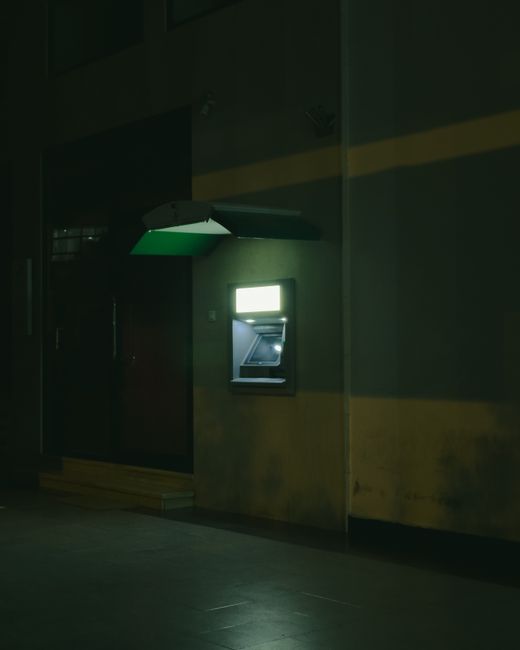
- Prefer card payments at visible terminals; avoid using an ATM in a dark alley. If possible, withdraw money from inside a bank during opening hours.
- For card payments, always choose to pay in forints (HUF) if the terminal offers euros; dynamic currency conversion (DCC) often applies a poor rate.
- Watch the screen and cover your PIN; if a terminal looks tampered with, don’t use it.
5) Fake guides, unauthorised tours and ticket scams
People posing as « official guides » may offer an impromptu tour and then demand an excessive tip or intimidate the group. Buying tickets for thermal baths or Danube cruises from unofficial sellers can also lead to fraud if you don’t use official vendors.
Sites to book through official channels:
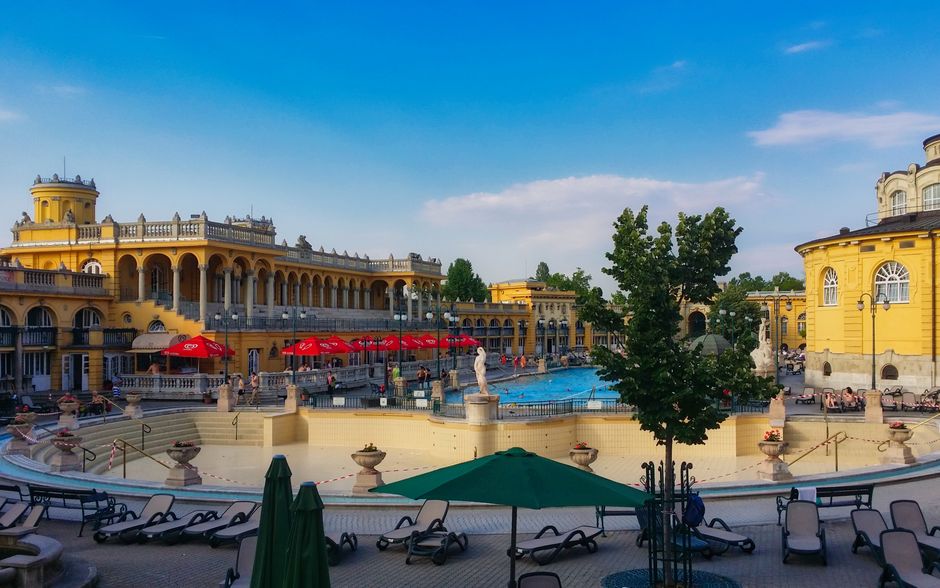
- Széchenyi Baths: Széchenyi Gyógyfürdő, Állatkerti krt. 9-11, 1146 Budapest. Hours vary, commonly 06:00–22:00. Entrance prices indicative: €18–25 depending on options (cabin, towel, locker). Buy tickets on the official site or at the ticket office — avoid street vendors claiming to sell « skip-the-line » tickets.
- Hungarian Parliament: Országház, Kossuth Lajos tér 1-3, 1055 Budapest. Guided tour hours: often 10:00–16:00 depending on season. Official tickets: about €10–16. Book via the Parliament’s official site or recognised agencies (Budapest Visitor Centre).
- Danube cruises: many operators at the quay near the Chain Bridge (Széchenyi Lánchíd). Official ticket prices: ~€10–25 for a one-hour cruise; beware of sellers offering « exclusive » rates without printed tickets.
How to spot a fake guide:
- An official guide usually carries an ID badge, works for a recognised agency and follows a clear itinerary. Ask for the agency name and verify it online.
- Be cautious of groups that « fill up » quickly and sign people up on the spot: these can be bait to finish the tour with a demand for payment.
- Book in advance for high-demand visits (Parliament, opera, baths) to avoid impromptu approaches.
Conclusion: How to react, useful contacts and recommended behaviour
Budapest remains a welcoming and generally safe city for travelers, but caution is important. The scams described — overcharged taxis, dodgy restaurants, pickpockets, compromised ATMs, fake guides — often rely on surprise and pressure: scammers count on your lack of information or your wish to avoid conflict. By keeping simple habits (check prices, ask for receipts, use official channels, keep valuables on you), you can greatly reduce your risk.
What to do if you fall victim to a scam:
- Stay calm and note details: exact location (e.g. Váci utca 10 or « the quay near the Chain Bridge »), time and a description of the suspect.
- Report the incident to local police immediately: Hungarian emergency number 112. For non-urgent complaints, go to the nearest police station, for example Budapest Police: Rendőrség, Vörösmarty utca 1, 1012 Budapest (opening hours vary).
- Contact your embassy or consulate if you lose documents — for example the French Consulate: Embassy of France in Budapest; check current address and hours online before travel.
- Contact your bank immediately in case of card fraud. Note the addresses of OTP Bank or Erste Bank mentioned earlier for blocking or disputing withdrawals.
Additional useful contacts and resources:
- Emergency number for health/police/ambulance: 112.
- Tourist police and information desks: Budapest Tourist Information Centres at Deák Ferenc tér and Vörösmarty tér — usually open 09:00–18:00.
- Recommended apps: Bolt (taxi), Google Maps (to monitor routes), and the official Budapest public transport app (BKK).
Finally, enjoy Budapest while keeping these tips in mind: soak in the Széchenyi Baths, cross the Chain Bridge at sunset, stroll down Váci utca while staying alert about prices and the people around you. With a little preparation you can avoid the traps, keep your memories intact, and leave wanting to return to this undeniably charming capital.