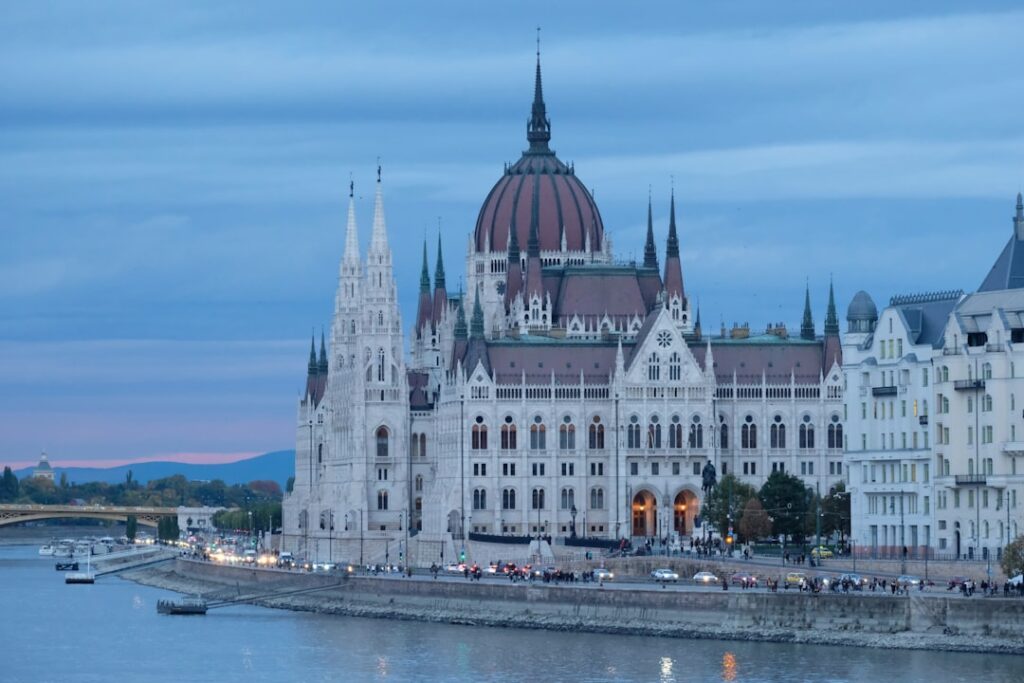






Introduction — Why tourist maps are essential in Budapest
Budapest is a walkable city, yet its architectural, thermal and cultural heritage is so rich that one visit is never enough. For a traveler, getting a handle on the city’s layout — the historic hill of Buda to the west and the lively plain of Pest to the east, linked by a dozen bridges over the Danube — is key. Tourist maps, whether paper, fold-out, wall-sized or digital, make distances tangible, reveal alternatives to the standard sightseeing routes, and let you experience the city more calmly and more deeply.
In this article you’ll find a complete overview of the essential tourist maps for Budapest: which maps to take, where to get them, how to combine them with tourist passes, which themed maps are most useful (baths, museums, photo routes, markets, transport), and practical tips for reading and using maps on the ground. We’ll also cover interactive maps and mobile apps that complement or replace paper maps effectively, with specific recommendations (cost, offline capability, coverage) to help you move efficiently, save time and avoid common pitfalls.
This guide is aimed at weekend visitors as well as travelers staying a week or longer. You’ll find concrete details: exact addresses of key locations where you can pick up official maps (for example the Budapest Tourist Office), prices in euros for the main passes and tickets you’ll need, indicative opening times and local tips (best time to visit Széchenyi Baths, where to find photo panoramas on Gellért Hill, how to combine a tram map with a pedestrian map of the center). The approach is practical and professional: we explain not only what to use, but how to use it in specific situations (rain, night, family groups, reduced mobility).
Finally, to spark your visual planning and help with photography, this guide includes visual markers and suggestions for images to look for (for example “Buda Castle at sunrise, panoramic view”, “Széchenyi Thermal Bath outdoor pools winter”), useful if you’re building a travel journal or choosing photos for an album. Throughout the text you’ll see markers  indicating where to place or look for these images — concrete cues to anticipate the aesthetics of the sites.
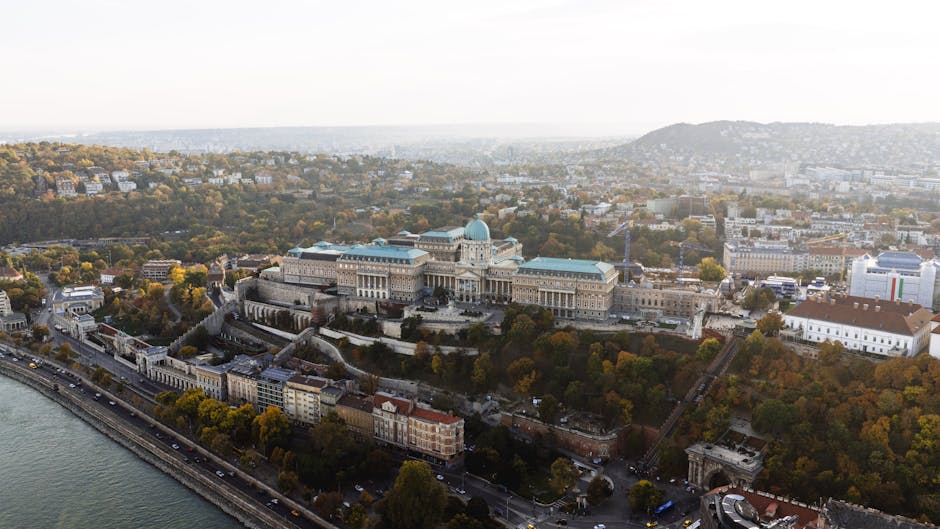
Essential paper maps to bring to Budapest
Despite smartphones being ubiquitous, paper maps still have advantages: overall visibility, battery-free reliability, architectural reference points, and ease of sharing routes with a group. Here are the paper maps to prioritize and where to get them.
- Central Budapest paper map (official tourist map) — Why: an overview map with landmark markers, metro stations, tram lines and bridges. Where to get it: Budapest InfoPoint (Vörösmarty tér 2, 1051 Budapest) and at Budapest Ferenc Liszt Airport (Terminal 2A/2B). Price: often free in a general edition; a more detailed version with bus/tram routes costs around €3–5 depending on edition. Info point hours: Budapest InfoPoint at Vörösmarty tér is generally open 9:00–19:00 (hours may vary by season).
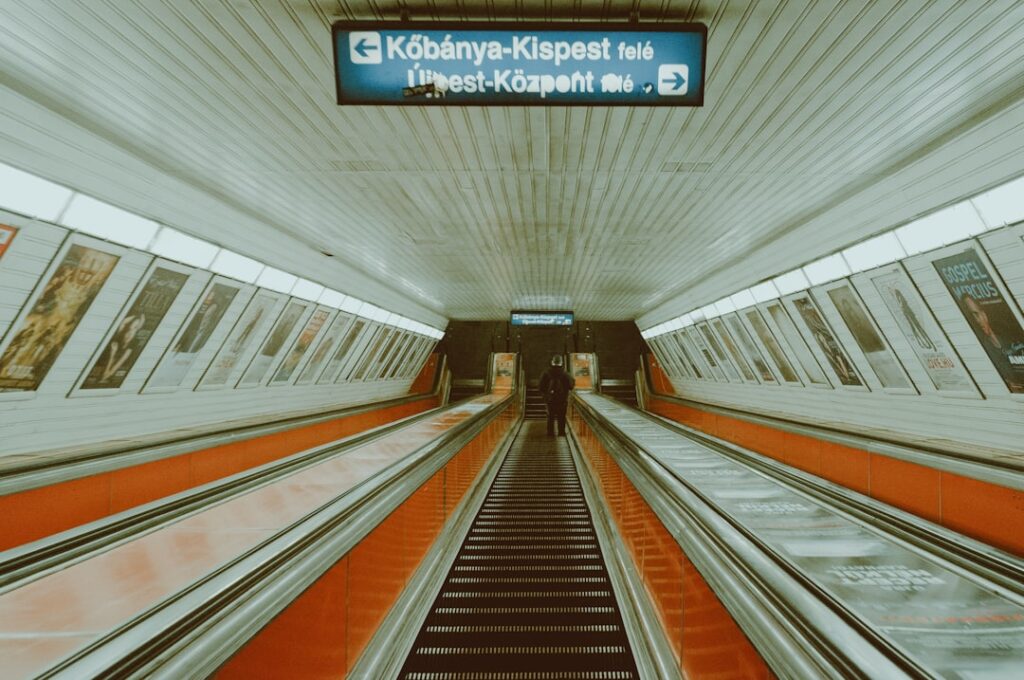
- Public transport map (metro, tram, bus, funicular) — Why: essential for planning connections; some tram lines serve main arteries (Tram 2 runs along the Danube). Where: BKK (Budapesti Közlekedési Központ) ticket offices at main stations (Deák Ferenc tér, Kálvin tér, Keleti pályaudvar). Price: €0–2 (often free on paper); single ticket from a machine: roughly €1.20 (3,500 HUF; indicative). Hours: night buses run 0–24, while trams and metros have specific schedules (Metro 2: 4:30–23:00, Metro 3: 4:30–23:30 — check times before your trip).
- Map of baths and pools — Why: Budapest is the capital of thermal baths; a dedicated map highlights Széchenyi Thermal Bath (Állatkerti krt. 9-11, 1146 Budapest), Gellért Thermal Bath (Kelenhegyi út 4, 1118 Budapest), Rudas Baths (Döbrentei tér 9, 1013 Budapest) and how to get to them. Where: at the entrances to the baths and at the Tourist Office. Price: free at the baths or €1–3 in tourist editions.
- Pedestrian map of the Buda Castle District — Why: the maze of alleys, great viewpoints and photo spots benefit from a detailed paper map. Where: the Budapest History Museum (Szent György tér 2, 1014 Budapest) or local tourist offices. Price: €2–4.
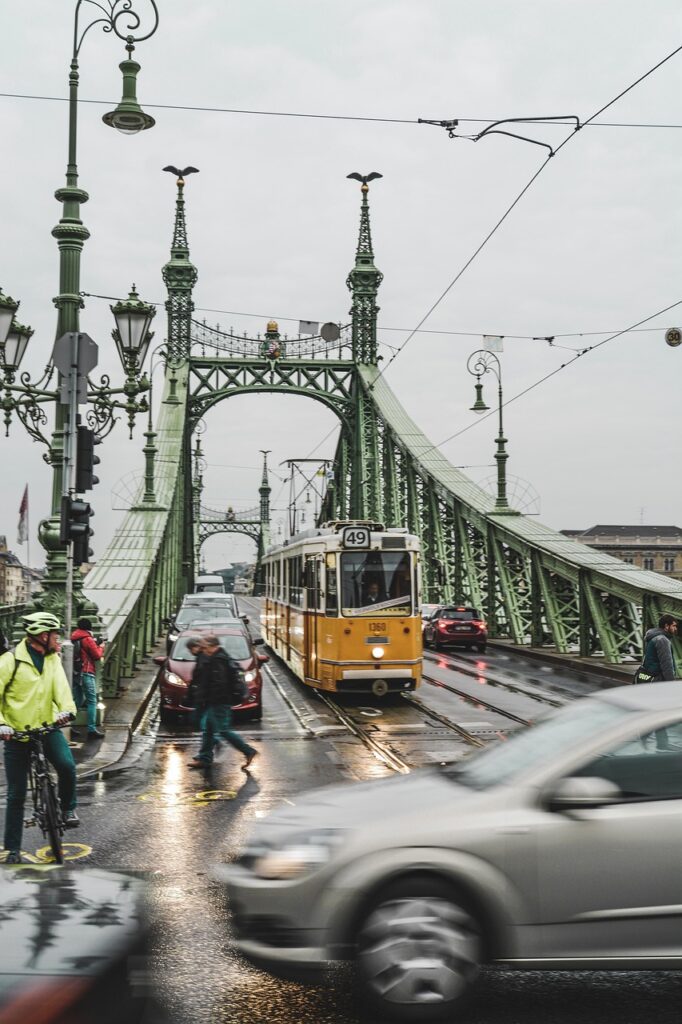
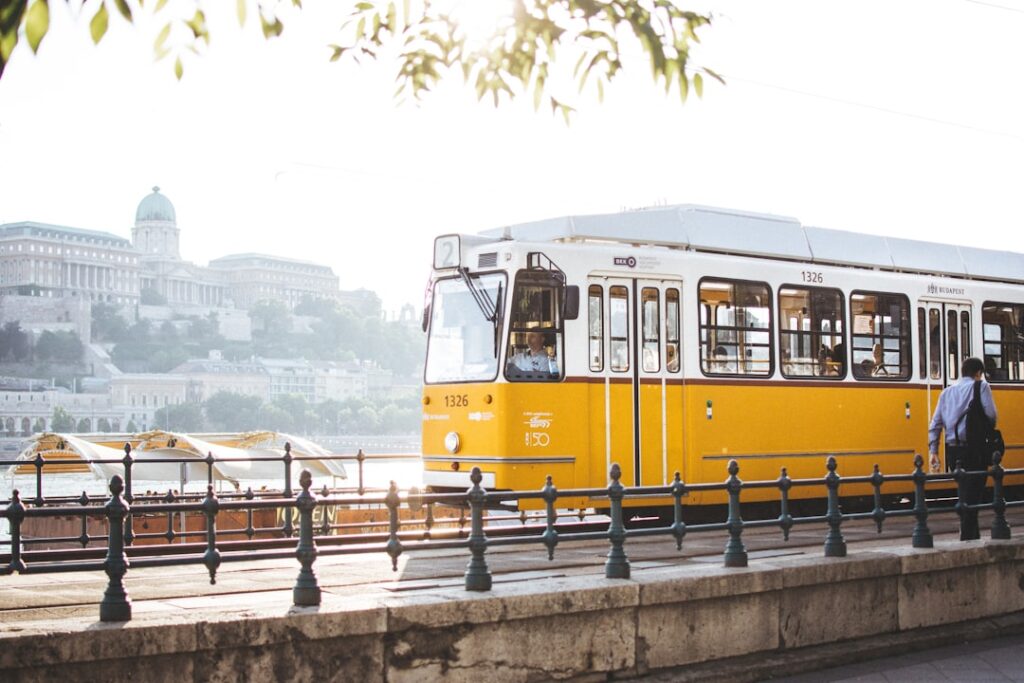
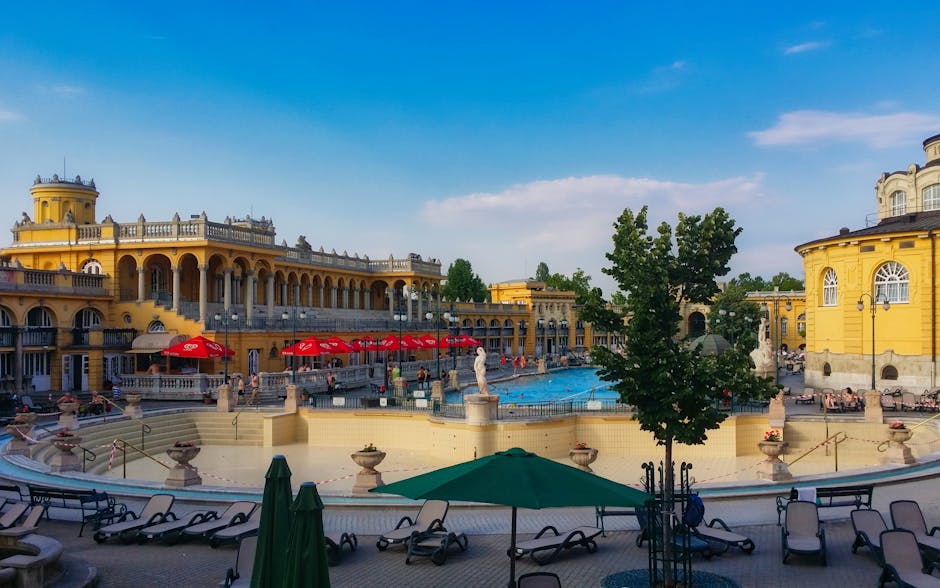
Practical tips for paper maps: fold them once so they fit a front pocket or a small pouch; laminate pages you’ll use most if you plan on baths or rainy outings; highlight your must-sees (e.g. Parliament, St. Stephen’s Basilica, Great Market Hall). For families, photocopy the transport section and slip it into a waterproof sleeve for tram rides or trips on the Danube.
Digital maps and apps to install before you arrive
Mobile apps complement — and often beat — paper maps thanks to GPS, real-time walking routes and up-to-date info. Here are the apps to install, how to set them up offline and how to use them for optimized routing.
- Google Maps — Essential for step-by-step navigation and real-time schedules. Downloading offline areas: open the app > Menu > Offline maps > select “Budapest” or draw the area you need. Cost: free. Upside: integrates transit schedules and walking time estimates. Downside: battery-hungry.
- Citymapper — Great for combining modes (metro + tram + walking) and finding quick alternatives. Coverage: Budapest. Cost: free with some premium features paid. Setup: enable offline data for the zones you’ll visit.
- Budapest GO / BKK FUTÁR — The official public transport app (Budapesti Közlekedési Központ): real-time schedules, disruptions, network map. Free. Use it to plan door-to-door journeys and to buy electronic tickets if available. Useful address: BKK sales center at Deák Ferenc tér or online at https://bkk.hu.
- MAPS.ME — Excellent offline functionality; download everything before departure. Free. Advantage: detailed offline maps and good guidance for pedestrian routes off the beaten path.
- GetYourGuide / Viator / Local Guides — For booking guided tours (Parliament visits, Danube cruises, bath tours). Indicative prices: Parliament tours around €8–15 per person (operator-dependent); Danube cruises €10–25 depending on duration and inclusions (drinks, dinner).

Technical recommendations: avoid roaming dead zones by downloading at least one offline map (Google Maps or MAPS.ME) and the BKK transport map. Bring a power bank (10,000 mAh) — invaluable for long days out — and enable power-saving mode. Save a PDF copy of your favorite paper map on your phone in case you lose the physical one. Finally, turn on location only when you need it to conserve battery.
Specialized maps: museums, markets, photo routes and thermal circuits
Beyond general maps, themed routes can save time and deepen your visit. Here are specialized maps to look for or create yourself, with concrete examples and addresses.
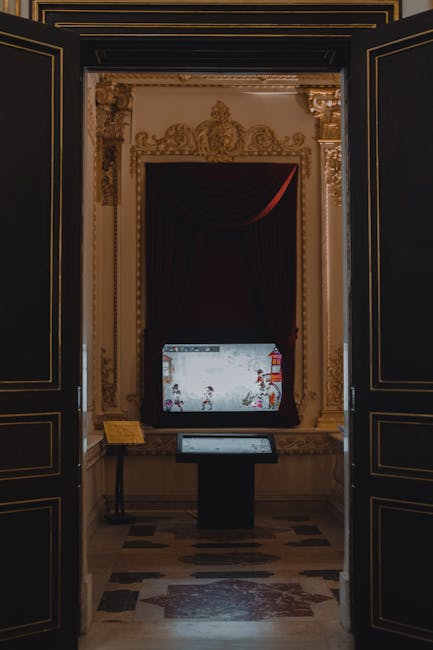
- Museum and gallery map — Essential if you love art and history. Key points: Hungarian National Gallery (Magyar Nemzeti Galéria), Szent György tér 2, 1014 Budapest — located in the Royal Palace; check the exact address and opening times for the Museum of Modern/Contemporary Art. Parliament/Országház (Kossuth Lajos tér 1-3, 1055 Budapest) offers guided tours; the Great Synagogue / Dohány Street Synagogue (Dohány utca 2, 1074 Budapest) also has a museum. Entry fees: generally between €8 and €15 for national museums. Typical hours: 10:00–18:00 (closed Mondays), but always verify before visiting.
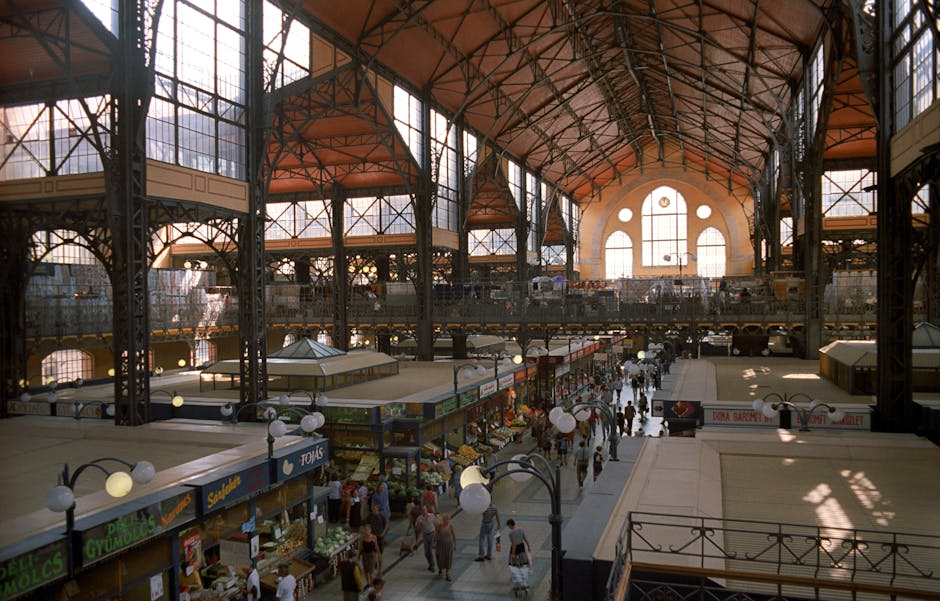
- Food market map — Great Market Hall (Nagyvásárcsarnok), Vámház körút 1-3, 1093 Budapest. Hours: closed Monday, Tue–Fri 6:00–18:00, Saturday 6:00–15:00 (indicative). Price: free entry; budget for eating there €5–15. Tip: visit early to avoid crowds and to buy paprika, sausages and local breads. Other markets: Hold utca Market, Lehel Market (Lehel tér 8).
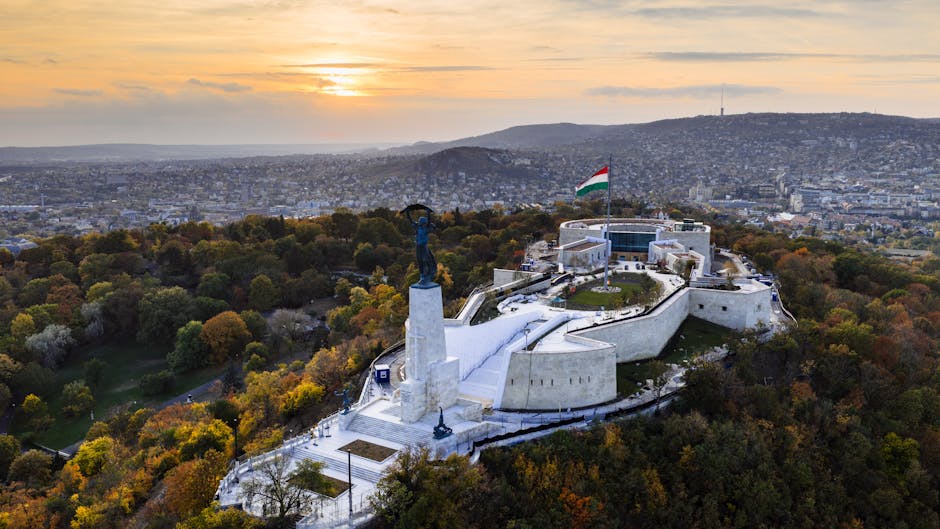
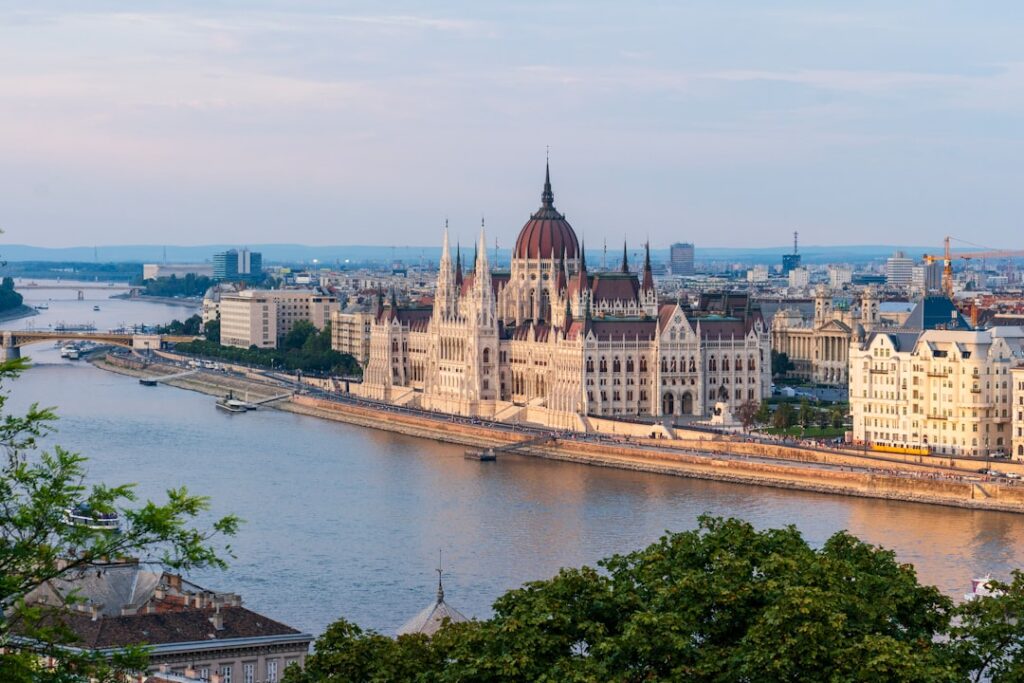
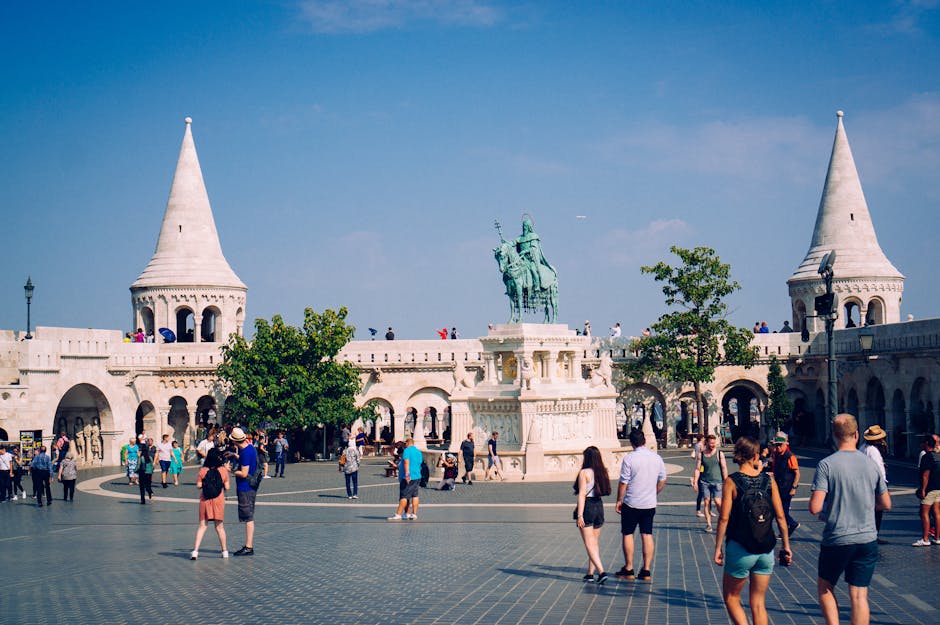
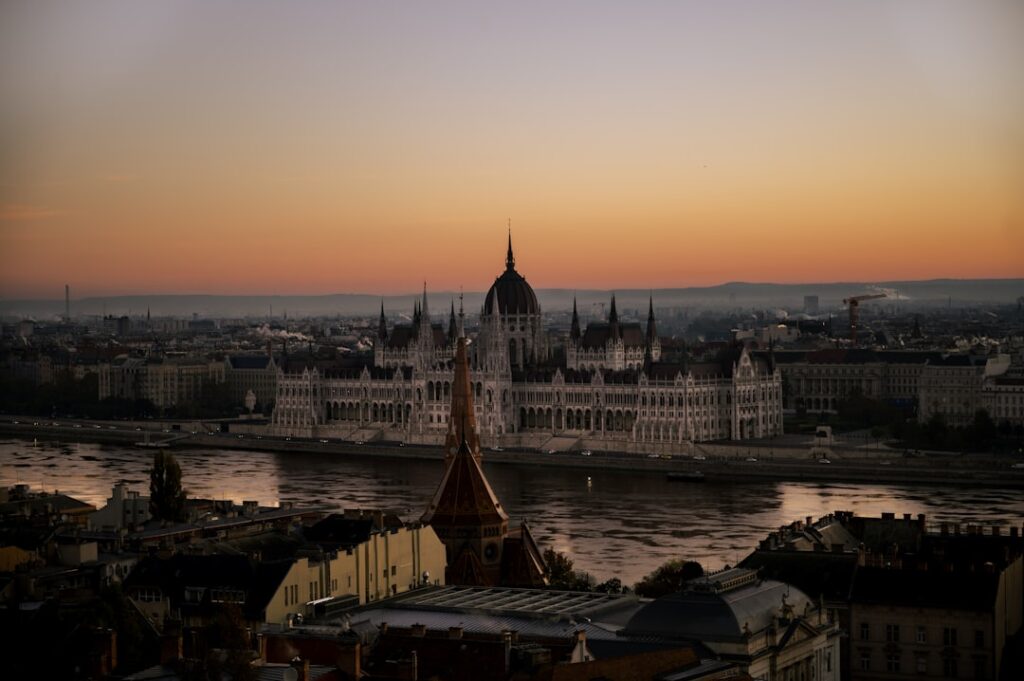
- Photo map – panoramas and golden hours — Photo spots: Buda Castle (Budavári Palota, Szent György tér 2), Fisherman’s Bastion (Halászbástya, Szentháromság tér 5) for views toward the Parliament; Gellért Hill (Gellért-hegy, around Clark Ádám tér) for sunset and wide panoramas. Recommended times: sunrise for Buda Castle and Fisherman’s Bastion (east–west light), sunset for Gellért Hill. Tip: bring a small tripod for long exposures at dusk and protect gear from moisture near the riverbanks.
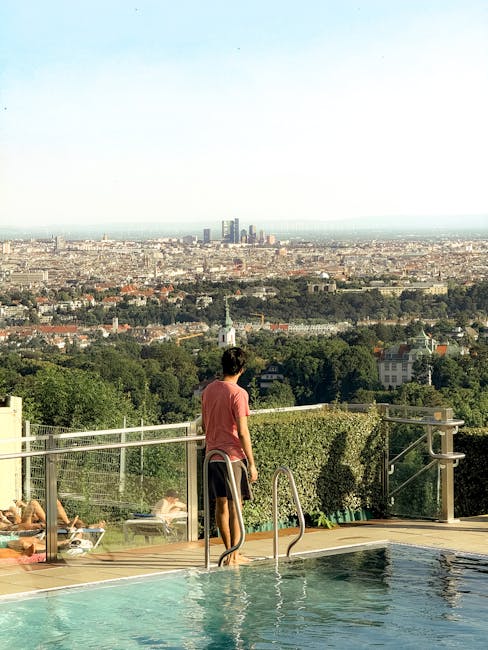
- Baths and wellness circuit map — Suggested itinerary: Széchenyi Thermal Bath (Állatkerti krt. 9-11, 1146) in the morning (6:00–22:00; tickets from €18 for basic entry), Gellért Thermal Bath (Kelenhegyi út 4, 1118) for an Art Nouveau soak (open 6:00–20:00; entry from €16–20), Rudas Baths (Döbrentei tér 9, 1013) for historic pools and a Danube view (prices vary €12–20). Tip: book online on weekends and in high season to avoid queues. Some bath maps offer discounts if you buy combined entries.
For every specialized map, note off-peak hours (early morning or late afternoon) to avoid crowds. National museums are often closed on Mondays; plan accordingly. For food markets, bring a small backpack and euros in small notes: many vendors accept euros, but paying in forints (HUF) is often cheaper.
Local tips for reading and using your maps like a resident
Reading a map in Budapest means understanding a few local logics: the Danube split (Buda/Pest), the street numbering, and several major transport axes (Andrássy út, Rákóczi út, Váci utca). Here are practical tips to get the most from your maps and avoid common mistakes.
- Understand Buda vs Pest — On your map, clearly spot the Danube (Duna): the right bank to the east is Pest (flat, art nouveau cityscape), the left bank is Buda (hills, panoramas). If you plan multiple stops on Buda (Buda Castle, Fisherman’s Bastion, Gellért Hill) allow extra walking time or use the Budavár funicular (Szent György tér 2 — connects to Clark Ádám tér). The funicular usually runs roughly 7:30–22:00, fare around €2–3 per ride.
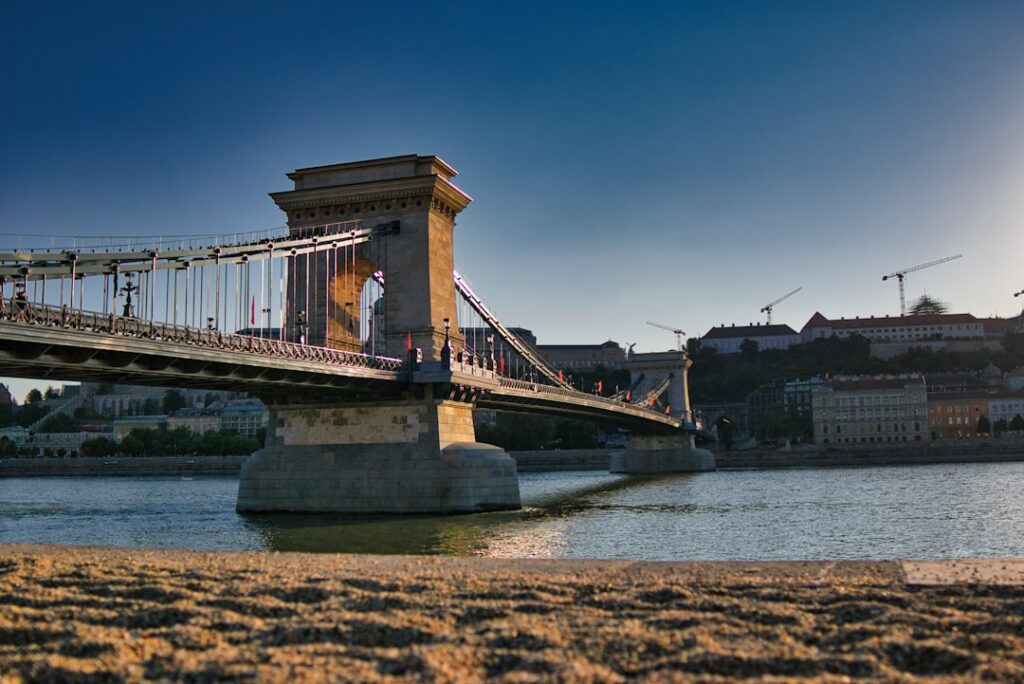
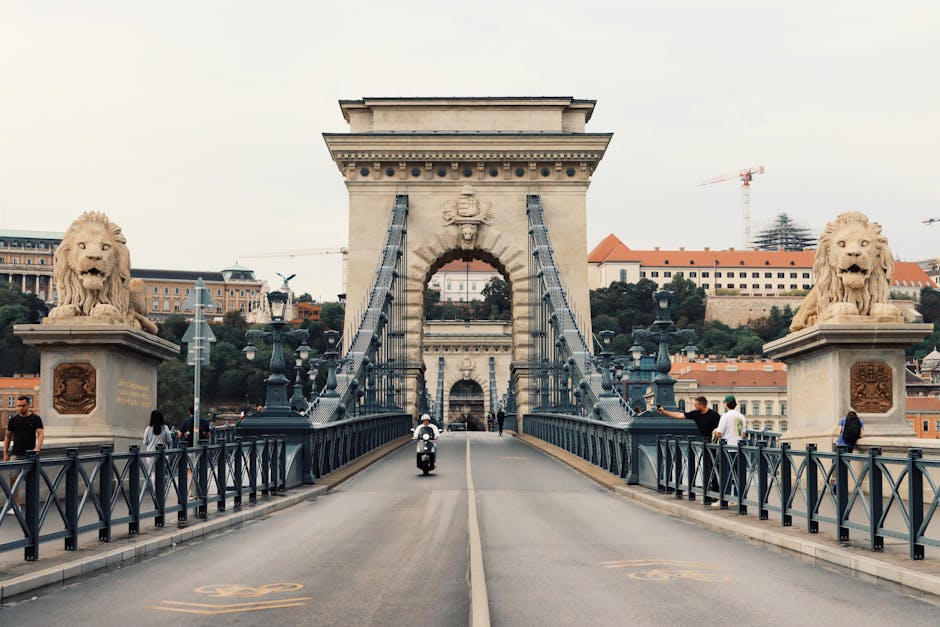
- Optimize your routes — Combine Tram 2 for scenic riverside views (very photogenic between Margaret Bridge and Jászai Mari tér) with walking segments in the historic center (Váci utca, Deák Ferenc tér). To avoid climbing the hill on foot, mark the funicular station or bus 16 (which zigzags up to Buda Castle) on your map.
- Prepare maps for the weather — If it rains, favor covered routes: Great Market Hall, museums, baths. Fold your paper map into a waterproof pouch and keep it in an inner pocket. Offline apps save you from losing mobile service in underground metro sections.
- Safety and false friends — Some tourist maps use symbols that can be confusing: a ticket icon may indicate a paid guided tour rather than general entry. If a place is marked “closed” or “seasonal,” verify on the official website (e.g. Hungarian National Gallery, Parliament). Always carry a small amount of euros and forints (HUF) for small purchases: many small shops still prefer cash.
Lastly, ask the locals — neighborhood cafés and small shopkeepers will often give you the best version of a map or a shortcut. Tram drivers and BKK ticket agents can point out the best route on your map if there are works or detours. People are generally warm and helpful, so don’t hesitate to ask: “Where is the nearest map shop?” or use tourist information desks for themed maps that traditional guides often miss.
Conclusion — Combine paper and digital maps for the full experience
Budapest lends itself perfectly to a hybrid approach: a paper map for the big picture and architectural context, complemented by mobile apps for real-time guidance and bookings. Specialized maps (baths, museums, markets, photo spots) are valuable additions that turn superficial visits into deeper experiences. Before you leave, download at least one offline map, pick up an official paper map at a tourist point, and choose 1–2 themed maps based on your interests (for example baths and museums).
In practice, start your day with the paper map in your bag — it gives you the narrative — and use your phone to drill down into routes and check schedules in real time (Parliament, museums, baths). Book baths and some guided tours online to avoid queues (indicative prices: baths €16–20, Parliament €8–15 for guided tours). Also check opening times and days: many museums close on Mondays and markets have set hours (Great Market Hall: closed Mondays, open early on other days).
To finish, a few final tips: bring a waterproof cover for your paper map and phone, pack a towel if you plan to visit baths, and write your accommodation address on all your maps before you set out. With these tools and maps in hand, you’ll not only tick off the must-sees (Budavári Palota, Halászbástya, Országház, St. Stephen’s Basilica, Széchenyi Baths, Great Market Hall) but also discover tucked-away corners, peaceful alleys and viewpoints that will make your Budapest stay personal and memorable.