





Spring vs Autumn in Budapest: Which Season Should You Pick?
Introduction
Budapest, the “Pearl of the Danube,” wears two especially appealing faces in spring and autumn. These shoulder seasons dodge the extremes of sweltering summer and bitter winter, yet each has distinct advantages that will sway your choice depending on what you want: strolls and blooms in April–May, or golden hues and harvest time in September–October. This article offers a practical, immersive comparison of spring and autumn in Budapest to help you decide when to book your flight, lace up your walking shoes, or plan your cultural visits.
The Danube banks, the Art Nouveau baths, historic squares and bohemian neighborhoods don’t change overnight, but the atmosphere, the light, tourist levels and seasonal events do. In spring the city wakes up: parks (notably the iconic Margitsziget — Margaret Island) burst into flower, terraces reopen and the cultural calendar fills with festivals and exhibitions. In autumn, warm tones flood tree-lined avenues, Hungary’s vineyards start their grape harvests and thermal evenings become more intimate and romantic. Accommodation prices, crowds at sites like Széchenyi Fürdő (Széchenyi Thermal Bath) or Buda Castle, and the best hours to photograph the Parliament overlooking the river can vary a lot depending on the season.
In this guide you’ll find practical details: exact addresses, typical opening hours, price ranges in euros, sensory descriptions of places and local tips to avoid the crowds and make the most of each season. Whether you’re a photographer, thermal-bath fan, curious foodie or city hiker, this detailed comparison will help you pick the best time for your trip. We’ll also cover iconic spots (Széchenyi Thermal Bath, Gellért Baths, Buda Castle — Budavári Palota, Fisherman’s Bastion — Halászbástya, Great Market Hall — Nagyvásárcsarnok, Parliament — Országház) with precise addresses and useful info to build your itinerary.
1) Spring in Budapest: awakening, blooms and festivals (April–May)
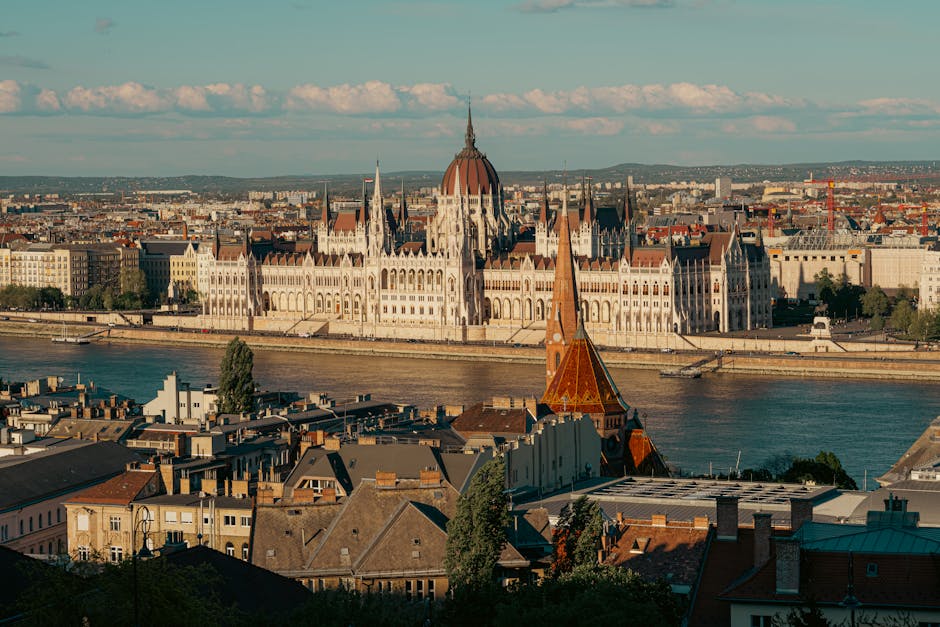
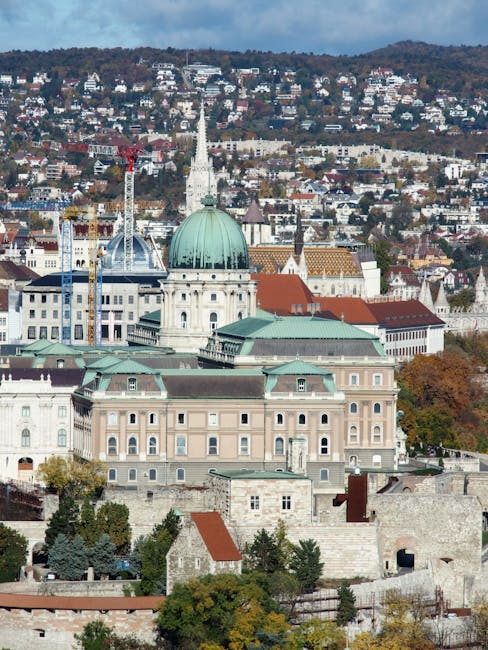
Spring turns Budapest into a living canvas where green returns gradually and parks become magnet spots. Average temperatures range from about 10 °C to 20 °C, comfortable for walking without summer heat. It’s the perfect season to explore the Castle district (Budavári Palota, Szent György tér 2, 1014 Budapest), Gellért Hill and the Fisherman’s Bastion (Halászbástya, Szentháromság tér, 1014 Budapest) under soft light and often clear skies.
Practical activities, hours and prices in spring:
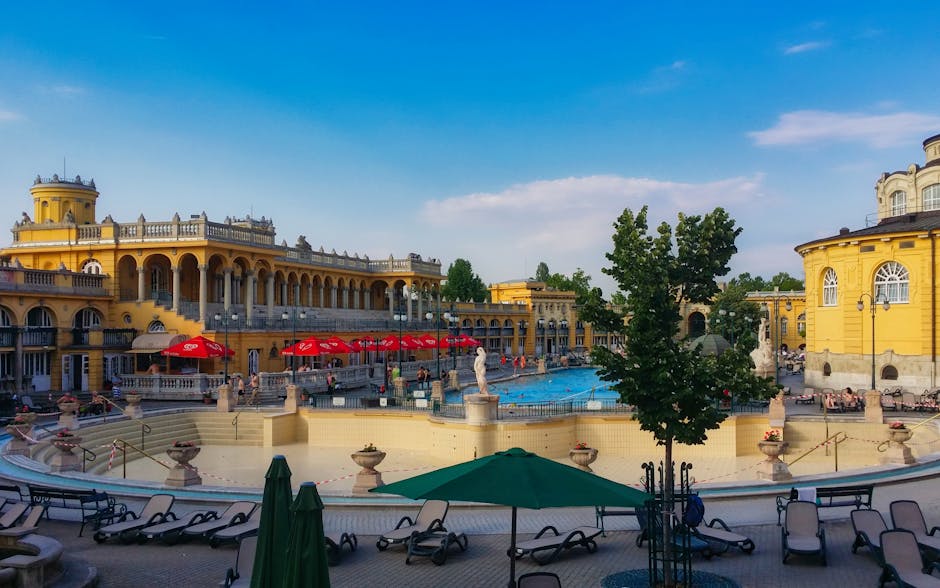
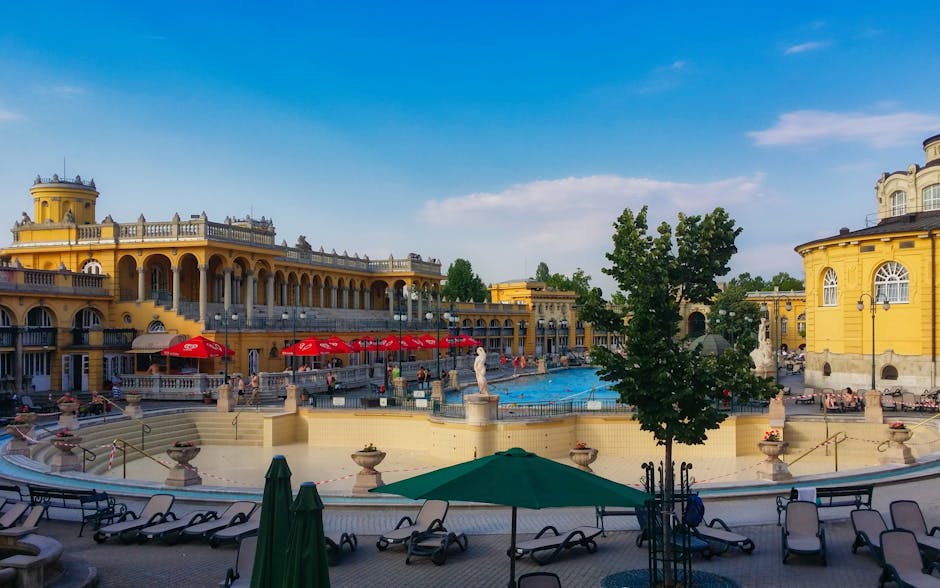
- Széchenyi Thermal Bath — Állatkerti körút 9-11, 1146 Budapest. Hours roughly 6:00–22:00 daily. Entrance: €18–30 (depending on cabin/locker and day). In spring, enjoying the outdoor pools is a treat: the warm water against cool air creates photogenic steam.
- Gellért Baths and Hotel — Szent Gellért tér 1, 1111 Budapest. Hours roughly 6:00–19:00 (varies by season). Entrance: €15–28. The Art Nouveau interiors, mosaics and domes are especially luminous when spring sunlight pours through the skylights.
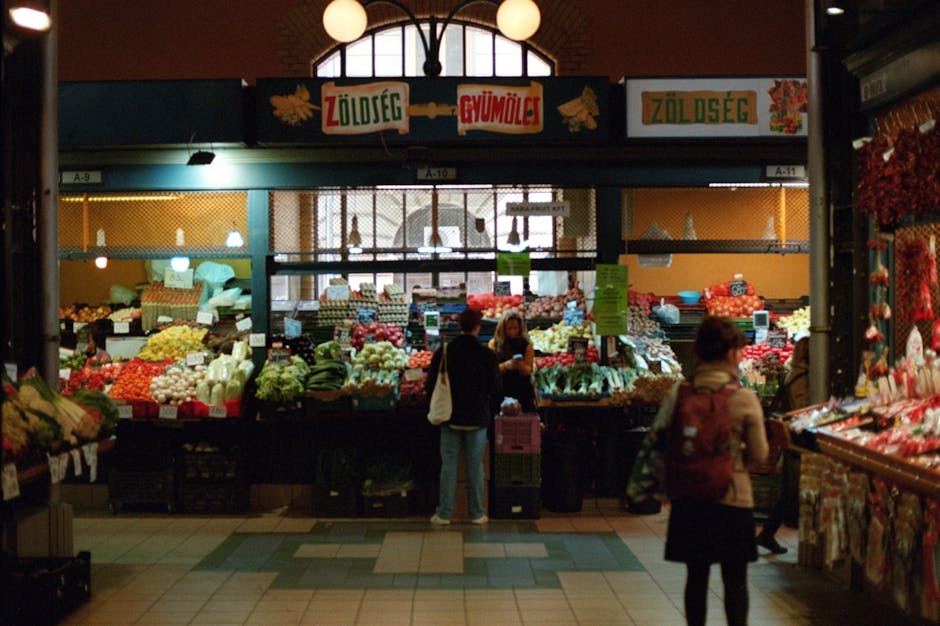
Events: the Budapest Spring Festival (usually in April) features classical concerts, dance and exhibitions in venues like the Budapest Opera House (Andrássy út 22, 1061 Budapest). On the food side, local asparagus season starts and markets like the Great Market Hall — Nagyvásárcsarnok (Vámház krt. 1-3, 1093 Budapest — generally open 6:00–17:00 Monday–Saturday, closed Sunday) brim with fresh produce.
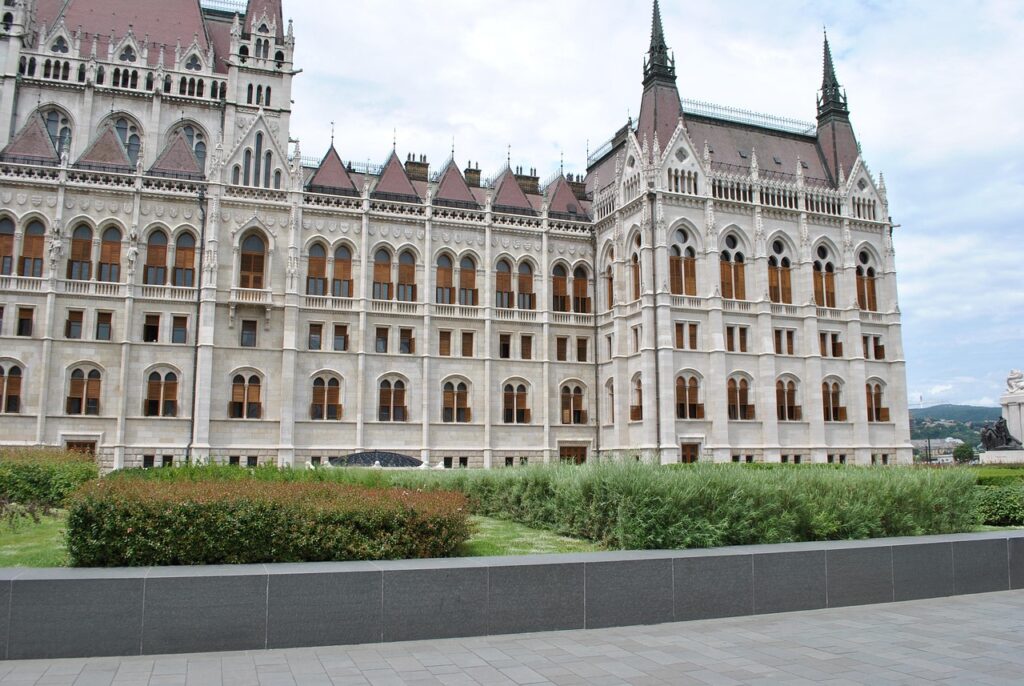
Local tips for spring: pack a light jacket and layers; head out early to enjoy major sites with fewer people (the Parliament — Országház, Kossuth Lajos tér 1-3, 1055 Budapest — often sees smaller crowds at opening); book thermal-bath tickets online in advance to avoid queues.
2) Autumn in Budapest: colors, harvests and cozy vibes (September–October)
Autumn in Budapest brings a more intimate feel: the air cools, leaves turn gold and rust, and the low angled October light creates striking contrasts perfect for photography. Temperatures typically sit between 8 °C and 18 °C. It’s a great time to combine cultural visits, Hungarian wine tastings and thermal baths in the evenings.
Practical highlights and places to favor in autumn:
- Budapest Wine Festival (usually late September) takes place at Buda Castle — Budavári Palota, Szent György tér 2, 1014 Budapest. Tastings, local producers and concerts let you sample Tokaji and other national varieties. Entry varies: €15–40 depending on the package.
- Gellért Hill (Gellért-hegy) offers spectacular views over the city with autumnal colours; access via Szent Gellért tér 1, 1111 Budapest. It’s a short hike but can get muddy after rain — wear good shoes.
Baths and evenings: autumn adds a special flavor to the baths. The outdoor pools at Széchenyi and Gellért remain pleasant, especially in the evenings when steam rises from the hot water and night lights sculpt the architecture. Prices are similar to spring (Széchenyi €18–30, Gellért €15–28), but the experience is usually calmer, with fewer families and mass tourists.
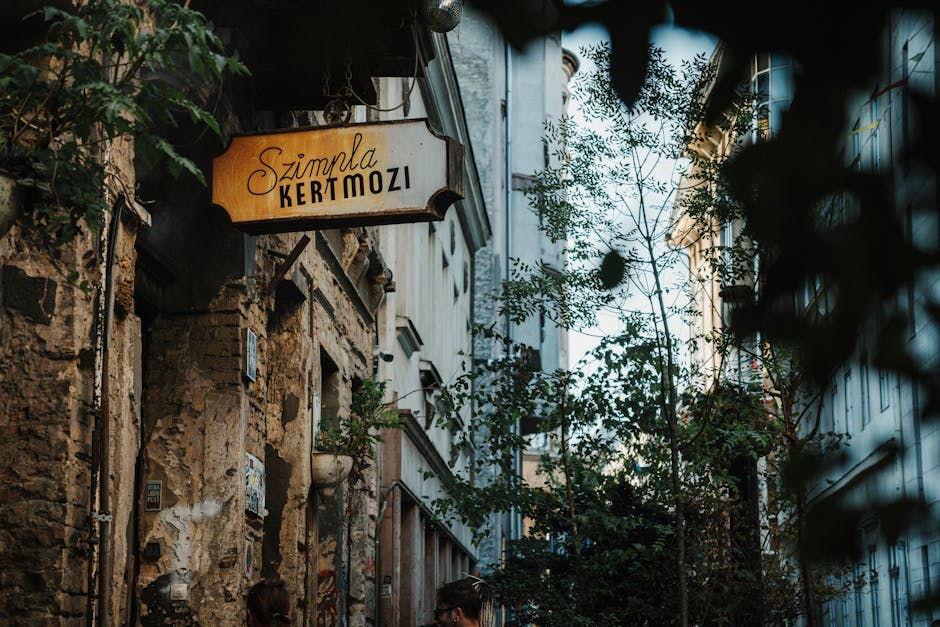
Local tips for autumn: favor late-afternoon walks to catch the golden light; book a seasonal-dish dinner—try goulash (gulyás) with a local red wine. Ruin bars like Szimpla Kert (Kazinczy utca 14, 1075 Budapest — generally open 11:00–late) take on a mellow vibe perfect for chilly nights; a drink costs about €3–6.
3) Head-to-head: crowds, budget, photos and sensory experience
To decide between spring and autumn, compare across four areas: crowd levels, budget, photography and sensory experience.
- Crowds: Spring (April–May) attracts international visitors for Easter long weekends and the festival season, which can increase lines at top attractions like the Parliament (indoor guided tours: €9–15 depending on language and format). In autumn, crowds fall off after the summer peak and you’ll find more calm in museums such as the Hungarian National Museum (Magyar Nemzeti Múzeum, Múzeum krt. 14-16, 1088 Budapest — generally open 10:00–18:00, entry €6–12).
- Budget: Hotel rates can be a bit higher in spring during festivals. In autumn, promotional deals are more common, especially in November. On-the-ground spending (meals, cafés, baths) stays steady: a meal at a decent bistro costs €12–25, espresso €1.5–3.
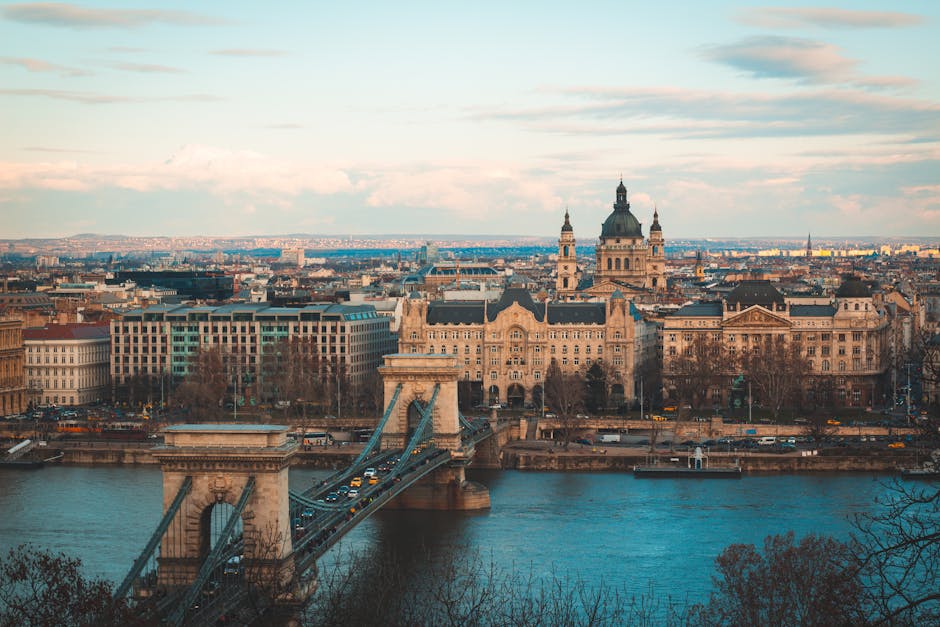
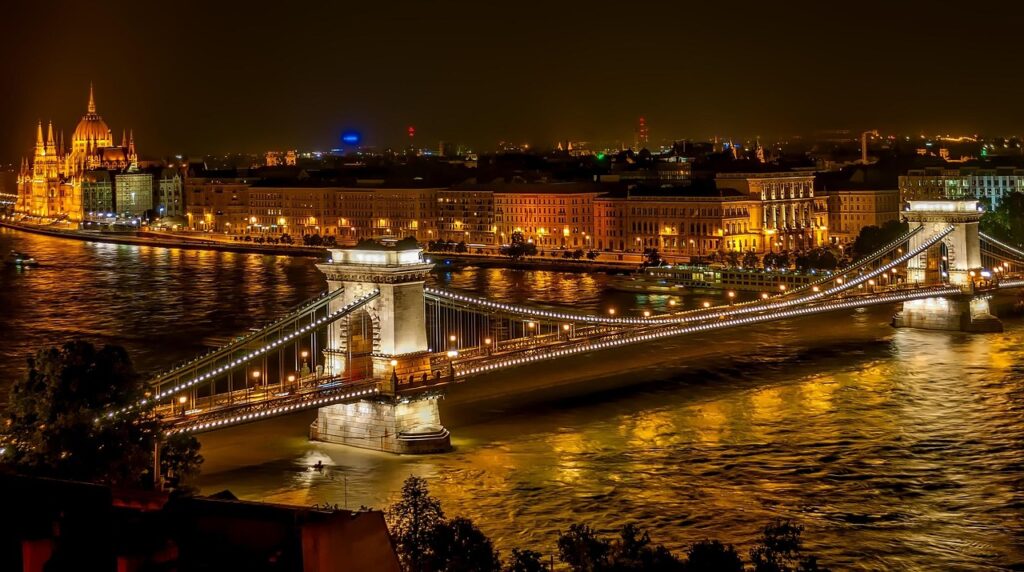
- Photography: Spring delivers pastel palettes and blooms, great for portraits and street scenes. Autumn brings warm contrasts and dramatic skies ideal for architecture and cityscapes. Top photo spots: Fisherman’s Bastion (Halászbástya) for panoramic views, Chain Bridge (Széchenyi Lánchíd) for reflections on the Danube.
- Sensory experience: Spring = birdsong, floral scents and lively terraces. Autumn = aromas of wine and slow-cooked stews, more romantic thermal nights. Both seasons are perfect for markets: the Great Market Hall is a must for local produce and souvenirs (Vámház krt. 1-3, 1093 Budapest, open 6:00–17:00 except Sunday).
Final practical tips: buy tickets for baths and museums online when possible; use trams 2 and 4/6 for easy scenic views along the Danube; consider a Budapest Card (24/48/72h options — around €22–40 depending on duration) if you plan heavy museum visits and public transport use.
In short: pick spring if you want energy, blooms and festivals. Pick autumn if you prioritize colors, a cosier atmosphere and better hotel deals.
Conclusion
The choice between spring and autumn in Budapest really depends on what you expect from your trip. Spring will charm visitors who love the gentle buzz of terraces, park blooms like those on Margitsziget (Margaret Island) and a busy cultural calendar. Moderate temperatures make long historic walks pleasant, from the Danube banks to Buda’s hills, and open cafés and markets add to the friendly vibe. Autumn, on the other hand, presents a more introspective, photo-friendly city: warm tones, the grape harvest and wine festivals, quieter baths and evenings where architectural lighting really shines.
Practically speaking, main attraction prices (Széchenyi Thermal Bath: €18–30, Gellért Baths: €15–28, Parliament tours: €9–15, Budapest Card: €22–40 depending on duration) remain comparable between seasons, but crowd levels and hotel deals vary. To catch the best light and conditions, aim for off-peak hours: early morning for monuments, evening for baths and sunset from Fisherman’s Bastion or the Chain Bridge (Széchenyi Lánchíd).
Ultimately, neither season is objectively better: each offers a different, rich experience. If you want a lively, colorful city, book spring. If you prefer mellow light, harvests and golden panoramas, autumn is your pick. Whichever you choose, Budapest will welcome you with its unique mix of history, architecture, thermal culture and Hungarian hospitality — ready to deliver memorable moments in any season.