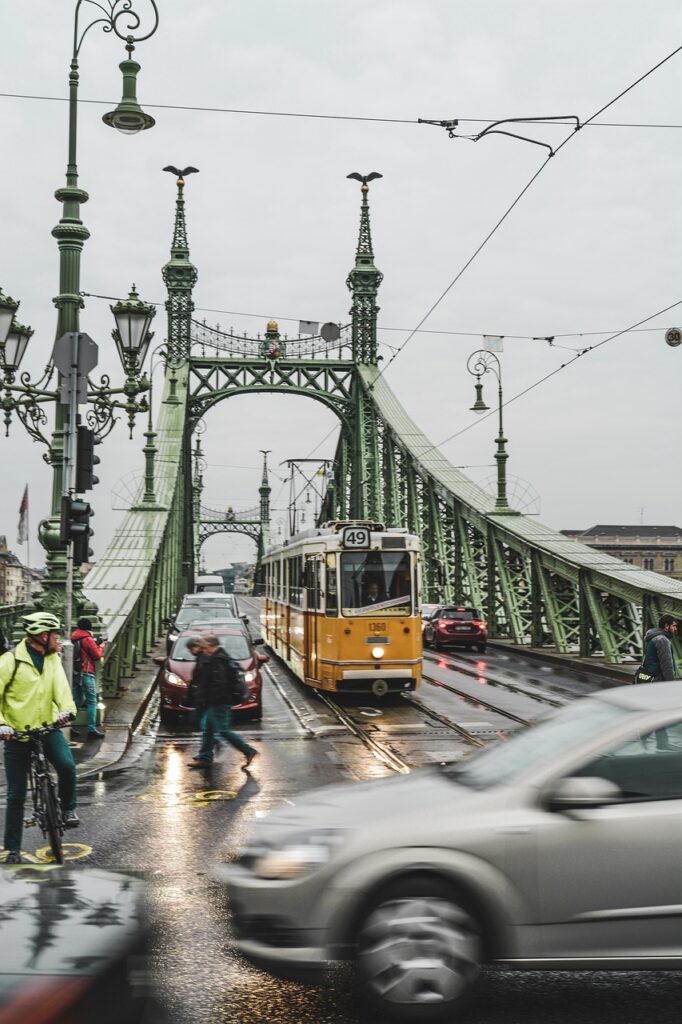






Introduction — Understanding student transport cards and short-term passes in Budapest
Budapest, Hungary’s compact and lively capital, is famous for its sweeping river views, historic thermal baths and an efficient, dense public transport network. Whether you’re an Erasmus student, on a language course or just passing through as a tourist, knowing your transport card options will save you time, cut costs and help you get around the city with less stress. This detailed guide focuses on two main solutions: student transport cards (periodic passes and subscriptions for enrolled or resident students) and short-term visitor passes (24/48/72-hour tourist cards, combined museum-and-bath packages).
We cover exactly where to buy or activate these cards, ticket office and information point addresses, opening hours, prices shown in euros (indicative conversion from Hungarian forint — conversion used: 1 EUR ≈ 370 HUF), validation and usage rules, and local tips to avoid common mistakes (e.g. always validating your fare, knowing the difference between a single ride ticket and an unlimited pass, how to get the student discount). The following information is designed to be immediately useful: exact addresses, typical office hours, and instructions for buying in person or online.
Important: administrative requirements (required documents, accepted student ID) and fares can change. When I list prices in euros they are indicative conversions from HUF at the time of writing; I recommend checking the official Budapest Transport Centre (BKK – Budapesti Közlekedési Központ) pages and the Budapest Card site for the latest updates. The guide also includes practical recommendations — where to validate, how to spot a BKK inspector, which ticket windows have shorter queues — and local hacks: which sales points stay open late, how to get an anonymous or personalised rechargeable card, and how to combine a short-term tourist pass with a student card for mixed stays.
1) Overview of the system and types of cards available
Budapest’s transport network is mainly managed by BKK (Budapesti Közlekedési Központ). It includes four metro lines (M1, M2, M3, M4), an extensive tram network (lines like 2, 4/6, 19, 41…), urban and suburban buses, trolleybuses and HÉV commuter trains serving the outskirts. Two main categories of tickets and passes coexist:
- Student cards and periodic subscriptions — monthly or yearly, personalised, often referred to as diákbérlet (student pass) or helyi bérlet depending on the municipality. They grant unlimited travel for the paid period (month/semester/year) and usually require a student card (NEK, ISIC accepted under certain agreements) and a passport-style photo for personalised versions.
- Short-term visitor passes — tourist passes for 24/48/72 hours (Budapest Card), combined skip-the-line tickets, and BKK day passes (24h, 72h) that allow unlimited use of the BKK network for the chosen period.
Where to buy tickets:
- At official BKK ticket offices (example: BKK Customer Service Centre — Erzsébet körút 39, 1073 Budapest);
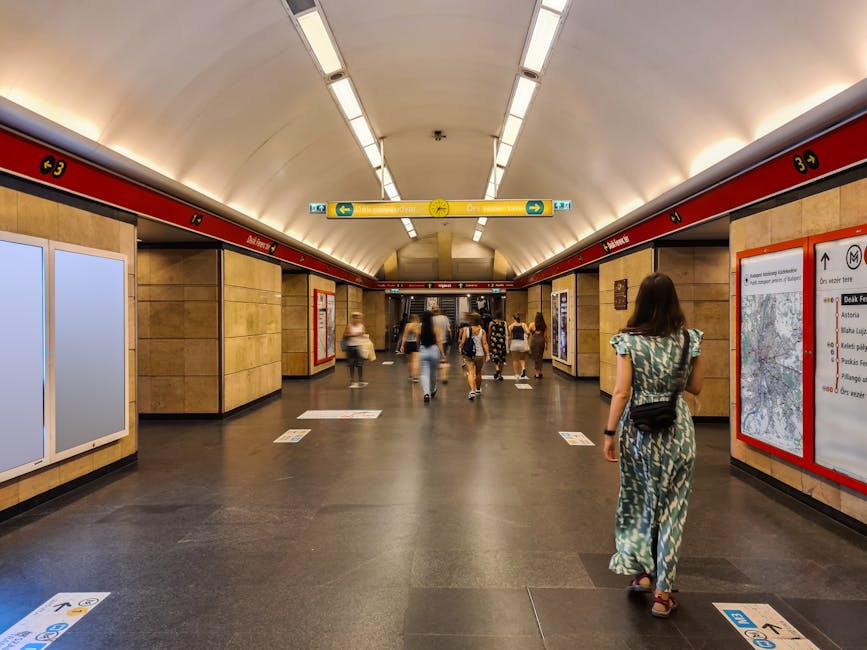
- From ticket machines in major metro stations (e.g. Deák Ferenc tér, Keleti pályaudvar);
- Online through BKK’s official site (tickets.bkk.hu) or via the Budapest Card website for tourist passes (budapestcard.org);
- Some authorised kiosks and tobacco shops (trafik) and at tourist offices (BudapestinfoPoint at Deák Ferenc tér/Vörösmarty tér depending on season).
Typical operating hours:
- Metro: M2 and M4 roughly 04:30–23:30, M1 about 04:30–23:30; frequency varies from 2–20 minutes depending on line and time of day.
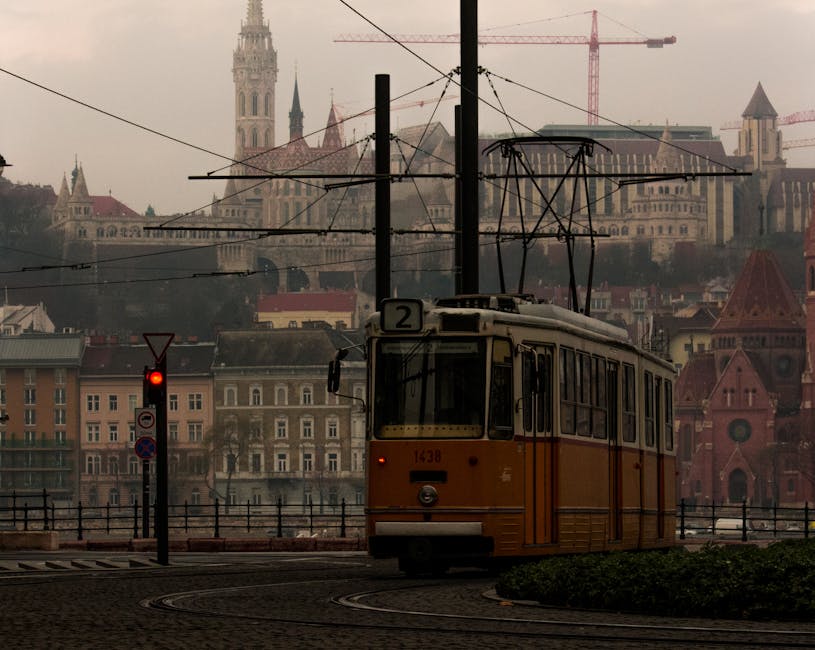
- Main trams (4/6): roughly 00:30–23:30 with high daytime frequency; tram 2 (along the Danube) runs very frequently and is a great scenic option for tourists.
- Night buses: night lines replace some metro services between roughly 00:30–04:30.
Indicative prices converted to euros (approx., 1 EUR ≈ 370 HUF):
- Single ticket: ~350 HUF ≈ €0.95
- BKK 24-hour pass (unlimited travel within 24h): ~1,650 HUF ≈ €4.45
- BKK 72-hour pass: ~4,500 HUF ≈ €12.16
- Budapest Card 24h (tourist pass, includes discounts/museums): about €22–25
- Budapest Card 48h: about €34–38; 72h: about €44–50 (prices vary depending on options like airport transfer)
- Student monthly subscription (diákbérlet): heavily subsidised, typically between 2,000–6,000 HUF/month ≈ €5.40–€16.20 depending on status and zones (check exact rates)
These amounts should be checked when you buy. Budapest Card tourist passes often include extra benefits (free entry to some museums, discounts for thermal baths such as Széchenyi Baths — Szent István park 6, 1146 Budapest), while the BKK 24h/72h passes only cover transport.
2) Student cards: types, eligibility and how to get one
Students in Budapest can benefit from discounted fares under the diák (student) system. Two main situations apply:
- Students enrolled at a Hungarian university — you’ll usually get a student subscription validated by the institution and BKK. This can be monthly or semester-based; details (refunds, partial waivers) are handled by the university in cooperation with local authorities.
- International students (Erasmus, exchange) — you’ll often need to show an international student ID (ISIC) or a certificate of enrolment issued by the Hungarian university. Depending on your length of stay, a personalised monthly subscription may be available.
Documents commonly required for a personalised student subscription:
- International student card or the university enrolment certificate (original and photocopy).
- Official ID (passport or national ID card).
- Passport-size photo (usually 3.5 x 4.5 cm) for a personalised card.
- Form completed at the BKK ticket office or via the university’s student portal.
Typical in-person procedure:
- Go to a BKK ticket office — example: BKK Customer Service Centre, Erzsébet körút 39, 1073 Budapest. Typical hours: 08:00–18:00 on weekdays, closed or half-day on Saturday (check before you go).
- Present the required documents; complete the « diákbérlet igénylés » (student subscription application) form.
- Pay the applicable fee (cash in HUF or card). Monthly prices are heavily subsidised; expect something in the range of 2,000–6,000 HUF/month (≈ €5–16) depending on category.
- Receive the personalised card or an electronic rechargeable ticket; some subscriptions require a monthly stamp or activation on the card.
Concrete example: if you’re an Erasmus student at Eötvös Loránd University (Eötvös Loránd Tudományegyetem) — main address: 1117 Budapest, Pázmány Péter sétány 1/A — contact the local Erasmus office for your enrolment certificate. Then present that original certificate at a BKK ticket office with your passport to apply for a diákbérlet.
Local tips:
- Start your application early in the month: processing can take several days if the university needs to validate documents.
- Always keep a receipt or voucher: in a ticket inspection you must show a valid fare. BKK inspectors enforce rules quickly (fines are often several times the price of a single ticket).
- Check if your university has a collection point that organises group orders for subscriptions — this can save time.
3) Short-term visitor passes: Budapest Card and BKK 24/48/72h passes
For visitors, two solutions dominate: BKK passes (unlimited transport for 24, 72 hours, etc.) and the Budapest Card, a tourist pass that bundles transport with discounts on activities. Here are the differences and how to get them.
BKK 24/72h (transport only)
- Use: valid on all BKK transport (metro, bus, tram) for the chosen period starting from first validation.
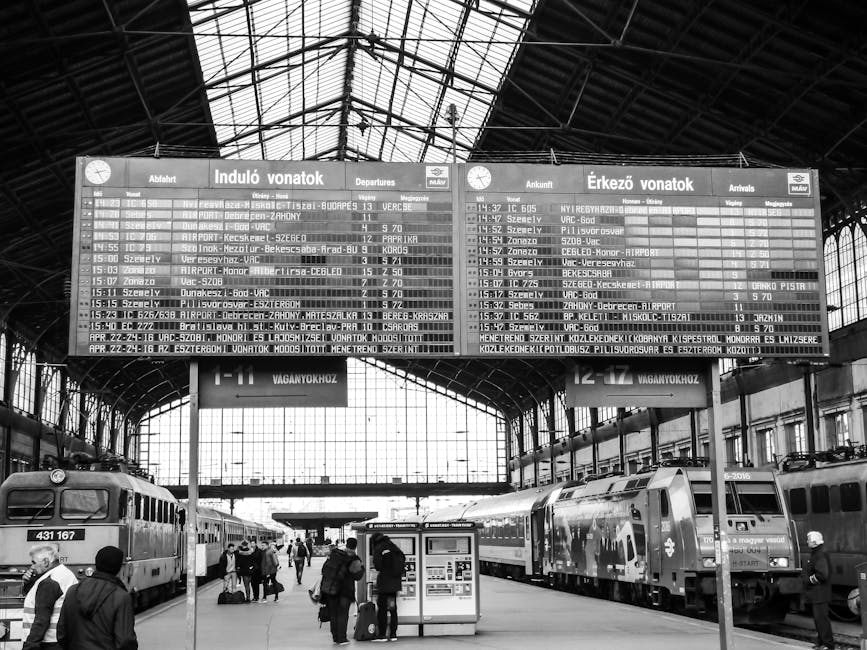
- Where to buy: ticket machines in major metro stations (Deák Ferenc tér, Keleti pályaudvar, Nyugati pályaudvar), trafik shops or online via the BKK site.
- Indicative prices: 24h ≈ 1,650 HUF ≈ €4.45; 72h ≈ 4,500 HUF ≈ €12.16. Prices may vary; online purchases sometimes include extra fees.
- Validation: no punch holes — the ticket period starts at first boarding or when you scan: keep the paper ticket/QR code with you.
Budapest Card (tourist pass)
- This pass combines unlimited transport (on certain options) and offers discounts and free entries (selected museums, thermal baths, Danube cruises, guided tours).
- Physical sales points: BudapestinfoPoint — Deák Ferenc tér 1, 1052 Budapest; some tourist offices at the airport and Vörösmarty tér. Typical opening hours: 09:00–19:00, season-dependent.
- Indicative prices in euros: 24h ≈ €22–25, 48h ≈ €34–38, 72h ≈ €44–50. A “full” option including airport transport (100E) or extras can add €5–10.
- How to use: present the voucher (paper or QR code) at attraction entrances; the pass starts from first use.
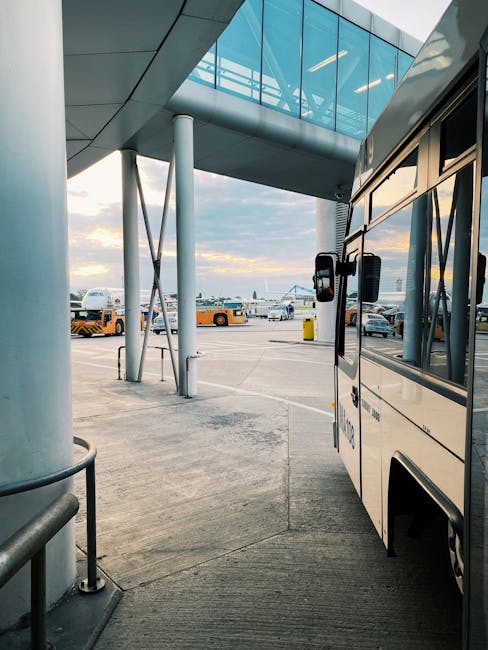
Pro tip: if you arrive at Budapest Ferenc Liszt International Airport (Terminal 2) — address: 1185 Budapest, Budapest Liszt Ferenc Airport — bus 100E runs direct to the city centre (Deák Ferenc tér). Some Budapest Card versions include airport transfer or discounts for the 100E ticket. At the airport you’ll usually find a Budapest Card sales point near arrivals (hours vary, typically 07:00–21:00).
Quick comparison:
- If you’ll mostly stay in the city and plan to visit several museums and baths, the Budapest Card can pay off.
- If you’re short on time and mainly using public transport without many paid attractions, go for the BKK 24/72h pass.
4) Validation, inspections, practical combos and local tips
Properly validating your ticket is essential. Budapest enforces ticket inspections: inspectors (ellenőr) regularly check trams, buses and metro stations. Here’s what to do and expect:
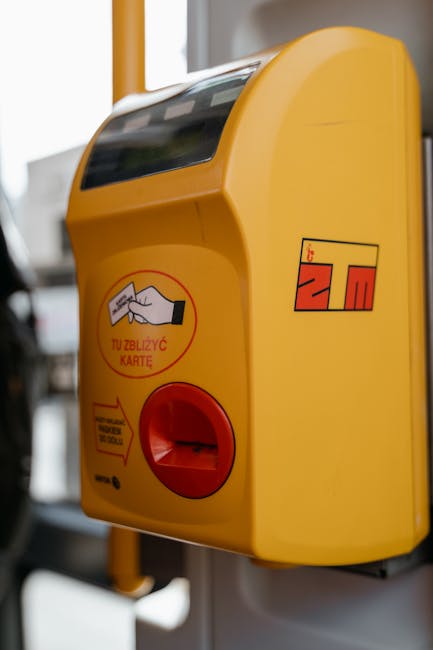
- Validate every time you board — on buses and trams, use the small yellow/blue validator near the door (insert or scan depending on the system). In metro stations some access points to platforms are through turnstiles or readers where you must scan your ticket/QR code.
- Keep your ticket until you finish your journey — inspectors may ask to see it until you exit the system.
- Electronic cards — if you buy a rechargeable electronic pass (Budapest Card e-version, BKK GO app), make sure the QR code is easily accessible on your phone and keep a screenshot in case of poor signal.
- If you lose your ticket — lost tickets are generally non-refundable. For personalised subscriptions (student passes), contact the BKK office immediately for blocking and reissuance.
Inspections and fines:
- Traveling without a valid ticket incurs a hefty fine — typically several tens of euros (equivalent to > 10,000 HUF ≈ €27 or more). If you pay on the spot you may get a reduced rate; refusal can escalate the case to the authorities.
- Inspectors look professional and wear identifiable BKK gear; keep your ticket ready to speed up checks.
Handy combos:
- Student subscriptions + day tourist passes: if you already have a student subscription covering the period, you don’t need a 24h pass; however, a Budapest Card might still be worth it if you plan many paid visits.
- BKK GO app: the official app to buy and validate some digital tickets. It avoids ticket-machine queues but requires a bank card.
- Combo tickets: check whether your Budapest Card includes airport shuttle (100E); if not, buy the 100E ticket at the airport (about 900 HUF ≈ €2.43) for a direct airport–city link.
Local tips to avoid queues:
- Avoid ticket offices between 08:00–10:00 and 16:30–18:30 — these are rush hours when commuters and students queue.
- Use ticket machines at major stations early in the morning; they accept cards and cash.
- For quick help, go to BudapestinfoPoint — Deák Ferenc tér 1, 1052 Budapest; staff usually speak English, German and other languages.
Conclusion — Choosing the best option for your stay in Budapest
Deciding between a student card and a short-term pass in Budapest depends on your length of stay, your status (enrolled student in Hungary or visitor) and your priorities (transport only versus attractions). If you’re a resident student or officially enrolled at a Hungarian university, the most economical choice is usually a personalised diákbérlet: it takes some administrative work but offers significant monthly savings. For international exchange students the process is similar but requires enrolment certificates and sometimes ISIC — start the paperwork as soon as you arrive to avoid delays.
For short-term visitors, the decision often comes down to the BKK 24/72h pass (simple, cheap, ideal if you’ll mainly travel around the city) versus the Budapest Card (more expensive but potentially cost-effective if you plan multiple paid visits: baths, museums, cruises). Consider how much time you’ll spend in the city: a 72-hour Budapest Card can quickly become a bargain if you do several of the attractions listed in the official brochure.
Quick practical reminders before you go:
- Always check opening hours for sales points and ticket offices (BKK and BudapestinfoPoint can close earlier off-season).
- Keep official documents (student certificate, passport) handy for any student subscription requests; bring copies and a passport-style photo sized for Hungarian ID requirements if needed.
- Validate every time: failing to do so can lead to a fine higher than the cost of a pass.
- Consult official sites: BKK (bkk.hu) for tickets and timetables, Budapest Card (budapestcard.org) for combined offers and up-to-date discounts.
Beyond paperwork, enjoy the city: Budapest is easy to get around, the tram lines offer some of the best urban views (notably tram 2 along the Danube), and thermal baths like Széchenyi (Szent István park 6, 1146 Budapest) or Gellért (1118 Budapest, Kelenhegyi út 4) are unforgettable — often with discounts via the Budapest Card. By planning whether you need transport only, tourist activities, or a student subscription, you’ll pick the most economical and convenient card to get the most out of your time in Budapest.
Have a great trip and enjoy discovering Budapest — and don’t forget to validate your ticket!