




Introduction — Best Time to Visit Budapest: Seasons and Climate at a Glance
Budapest, Hungary’s lively capital stretched along the Danube between Buda and Pest, shows off distinct seasonal personalities: bright summers, cold snowy winters, fickle springs and golden autumns. Picking the right time to go depends as much on what you want to do (thermal baths, festivals, cultural sightseeing, photography) as on how you feel about cold or crowds. This general guide breaks down the seasons, the climate and the practical perks of each period, pointing to specific sites (museums, baths, viewpoints) with addresses, opening hours and price estimates in euros so you can plan precisely.
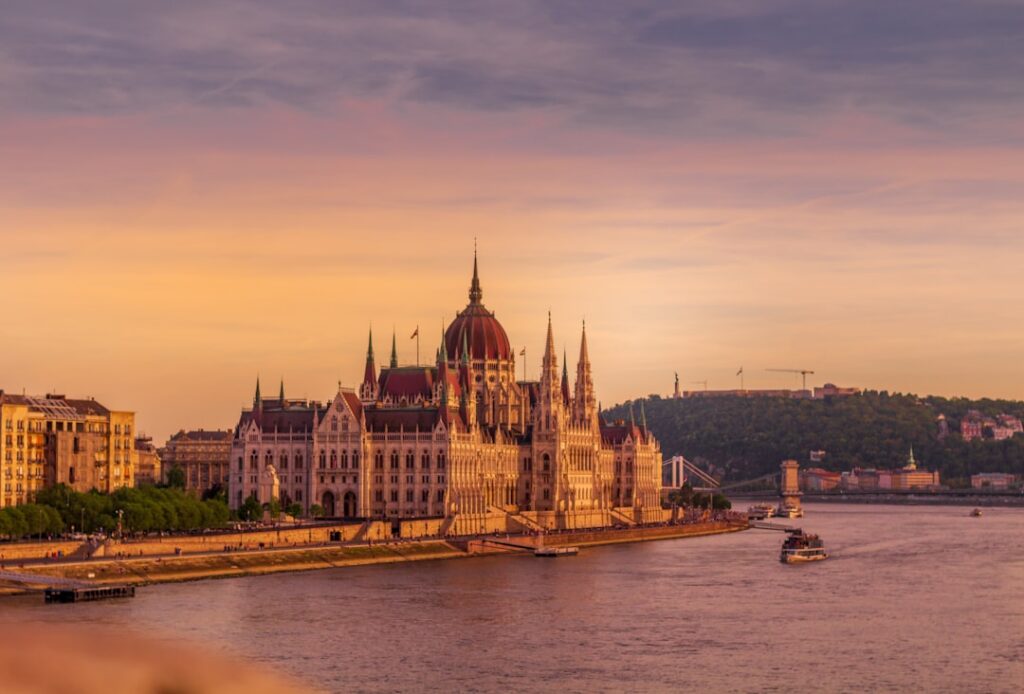
Budapest is best explored on foot, by tram or by boat — and each season changes the city’s mood. In spring the parks, like Margaret Island (Margitsziget), burst into green; summer brings music festivals and packed terraces; autumn dresses the avenues in color and offers perfect light for photos; winter invites you to Christmas markets and thermal comfort. Major attractions adapt too: the Hungarian Parliament (Országház) at Kossuth Lajos tér 1-3, 1055 Budapest, runs guided tours most of the year (tickets around €15–25), while thermal baths such as Széchenyi (Széchenyi Fürdő) and Gellért (Gellért Fürdő) extend hours and give different experiences depending on the weather outside.
This guide details what each season feels like, offers practical time windows, exact addresses, price pointers and local tips (best times to avoid crowds, what to pack, how to book). You’ll also find recommendations to get the most out of the city’s visual highlights — viewpoints, walks along the Danube, covered markets — with immersive descriptions to help you picture each moment before you travel. For logistics, practical notes such as market hours (for example the Great Market Hall, Nagyvásárcsarnok, at Vámház körút 1-3, 1093 Budapest) or local payment habits (euros sometimes accepted but usually at an unfavorable rate) are included.
Spring (March to May) — Renewal, Unpredictable Weather and Cultural Blooms
Spring in Budapest is a hopeful transition. From March to May temperatures gradually climb: expect about 5–15 °C in March, 10–20 °C in April and 15–25 °C in May. Days lengthen and parks like Városliget (City Park) and Margaret Island (Margitsziget) come alive — ideal for strolls and photography. It’s a particularly pleasant time to explore the Buda Castle hill (Budavári Palota, Szent György tér 2, 1014 Budapest), where the terraces of Fisherman’s Bastion (Halászbástya, Szentháromság tér, 1014 Budapest) provide unobstructed views over the Parliament and the Danube.
Practical tips: bring a lightweight waterproof jacket, layers (sweater, windbreaker) and sturdy shoes. Weather can change quickly (short spring showers), so pack a compact umbrella. Attractions operate regularly: Fisherman’s Bastion is accessible 24/7 for its outer terraces (some paid towers open during the day, around €2–4), while Buda Castle and its museums have seasonal opening hours. The Great Market Hall (Nagyvásárcsarnok, Vámház körút 1-3, 1093 Budapest) is a covered refuge: open Mon–Fri 06:00–18:00 and Sat 06:00–15:00, closed Sun; you’ll find Hungarian specialties (paprika, kolbász) and food stalls.
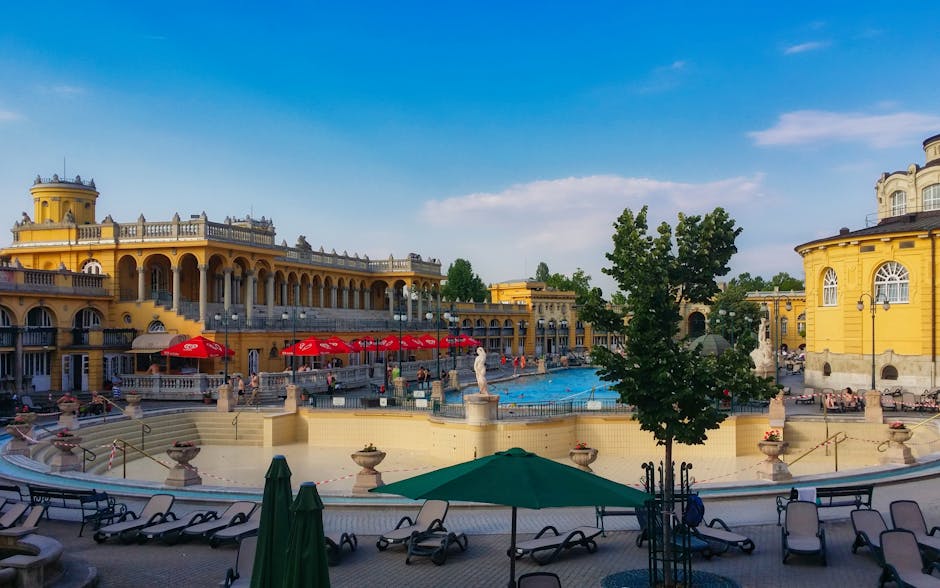
Culture and events: spring brings exhibitions at the Palace of Arts (Művészetek Palotája, Komor Marcell u. 1, 1095 Budapest) and open-air concerts around May. Cooler days make outdoor thermal pools especially pleasant: Széchenyi Thermal Bath (Széchenyi fürdő, Állatkerti krt. 9-11, 1146 Budapest) is usually open 06:00–22:00; day tickets about €20–25 (locker or cabin extra €2–3). Book ahead for busy May weekends.
Summer (June to August) — Festivals, High Temperatures and Lively Nights
Summer is peak tourist season in Budapest: June to August brings long, warm days with average temperatures of 20–30 °C, and heatwaves can push it above 30 °C. It’s prime time to sit at terraces along the Danube, take evening cruises and enjoy big events like the Sziget Festival (on Óbudai-sziget) or the Budapest Summer Festival. Outdoor attractions get crowded: the Hungarian Parliament (Országház, Kossuth Lajos tér 1-3, 1055 Budapest) runs guided tours (tickets €15–25) that fill up fast — book online.
Practical points: pack light clothes, a hat, sunglasses and sunscreen. Trams and metros are air-conditioned but expect long lines at major sites and museums. For cooling off, thermal baths like Gellért (Gellért Fürdő, Szent Gellért tér 1, 1111 Budapest) are invaluable: usually open 06:00–19:00, tickets around €18–22 depending on options (indoor pool, saunas). Public pools and outdoor bathing spots such as Palatinus on Margaret Island offer relief (entry fees vary, typically €6–12).
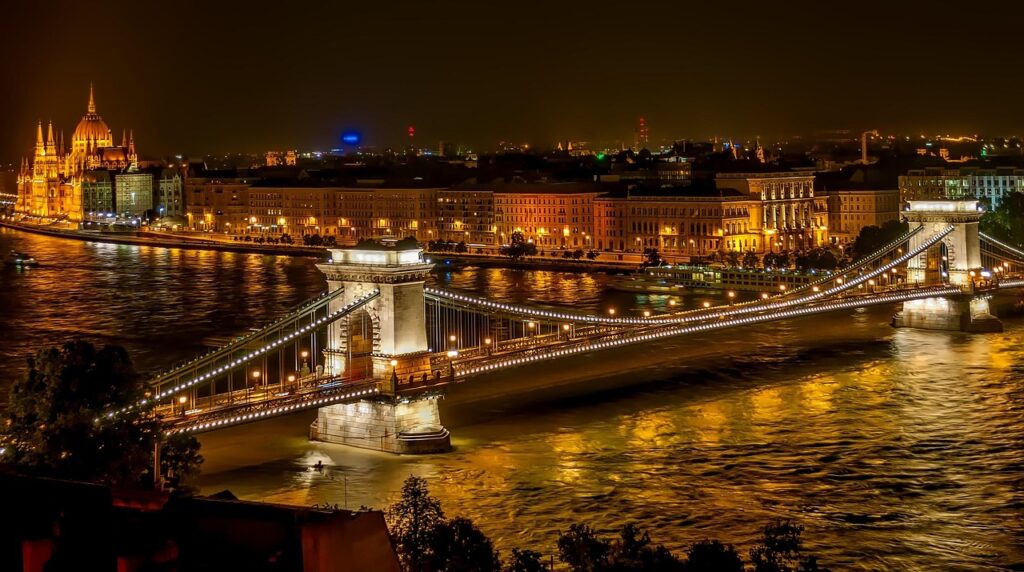
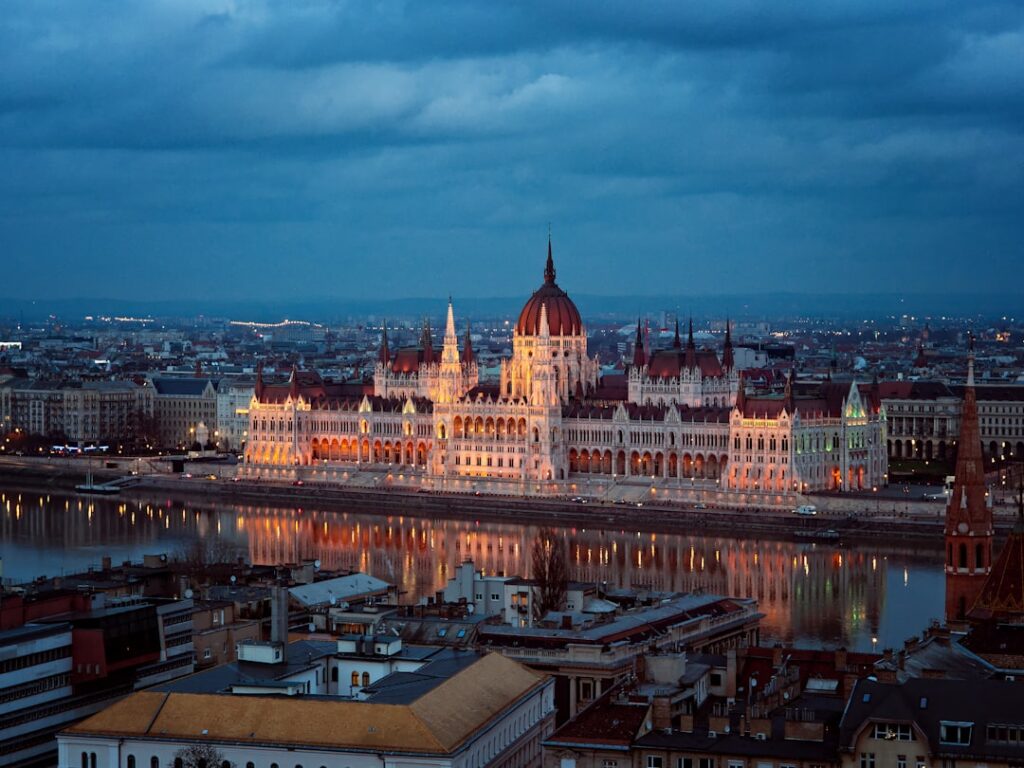
Nightlife: ruin bars, especially Szimpla Kert (Kazinczy utca 14, 1075 Budapest), are extremely popular; typical hours are 10:00–02:00 or later on weekends. Expect a vibrant, multicultural scene, especially after dark. For photography, night shots of the Chain Bridge (Széchenyi Lánchíd) and the illuminated Parliament from Fisherman’s Bastion or the Pest riverbank are spectacular.
Autumn and Winter (September to February) — Colors, Markets and Cozy Baths
Autumn (September–November) is often the sweet spot for mild weather and thinner crowds. Temperatures fall gradually (about 15–25 °C in September, 5–15 °C in November) and leaves turn golden, creating beautiful views along boulevards and in Városliget. It’s a great time for sunrise photography on the Danube or wandering Buda’s historic quarter around the Citadel and Fisherman’s Bastion.
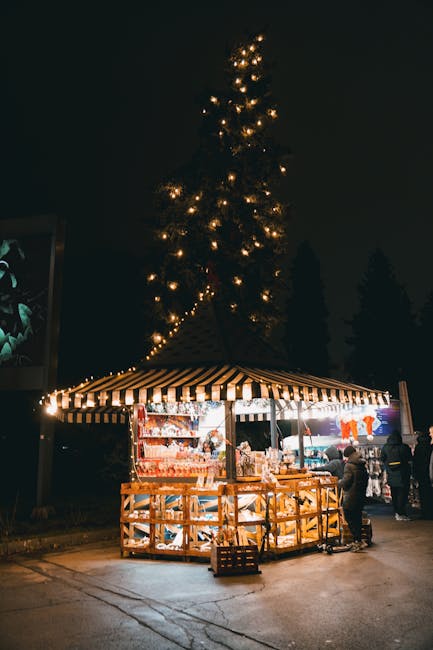
Winter (December–February) is cold, often dipping below zero with occasional snow, which gives the city a magical feel. Christmas markets, especially at Vörösmarty Square (Vörösmarty tér, 1051 Budapest), serve crafts, mulled wine and local treats from November through January. Thermal baths become a major attraction: soaking in Széchenyi’s outdoor pools as steam rises in the crisp air is unforgettable. Baths generally open early and close late (Széchenyi commonly 06:00–22:00), tickets €20–25, cabin or locker rental €2–4 extra.
Winter tips: pack a warm coat, gloves, a hat and waterproof shoes. Public transport remains dependable, but check reduced opening hours for attractions during the holidays. Many cultural institutions, like the Hungarian State Opera (Magyar Állami Operaház, Andrássy út 22, 1061 Budapest), keep active schedules with ticket prices varying by seat (from about €10 up to €100+ for premium seats).
Conclusion — When to Go: Pick Based on Your Priorities
Choosing the best time to visit Budapest comes down to priorities: do you want warmth and festivals (summer), spring blooms and fewer crowds (spring), autumn colors and lower prices (autumn) or the winter market-and-bath atmosphere (winter)? Each season has its pluses and trade-offs. If photography and peaceful walks are your goals, aim for late September–October or spring. For nightlife, terraces and festivals, summer can’t be beaten. For an intimate, authentic experience around thermal baths and Christmas markets, winter is magical despite the chill.
Key practical takeaways: the Parliament (Kossuth Lajos tér 1-3, 1055 Budapest) offers guided tours that should be booked (€15–25), Széchenyi Thermal Bath (Állatkerti krt. 9-11, 1146 Budapest) is a great year-round option (ticket €20–25), the Great Market Hall (Vámház körút 1-3, 1093 Budapest) is open weekdays and closed Sundays, and ruin bars like Szimpla Kert (Kazinczy u. 14, 1075 Budapest) provide ongoing nightlife. Always check seasonal opening times and reserve ahead for baths and popular guided tours, especially in summer and around holidays.
Finally, pack smart: layers for spring and autumn, light clothes and sun protection for summer, and warm waterproof gear for winter. Budapest is enjoyable year-round; the best time is the one that fits your travel style. Have a great trip and enjoy Hungary’s capital — its baths, historic cafés (like Café Gerbeaud, Vörösmarty tér 7-8, 1051 Budapest, open 08:30–20:00, pastries €3–8) and unforgettable views.